Breathe Easy: The Essential Guide to Woodworking Face Masks with Filters
Woodworking Face Mask With Filter: The essential guide to choosing and using woodworking face masks with filters to protect your respiratory health while working with wood.
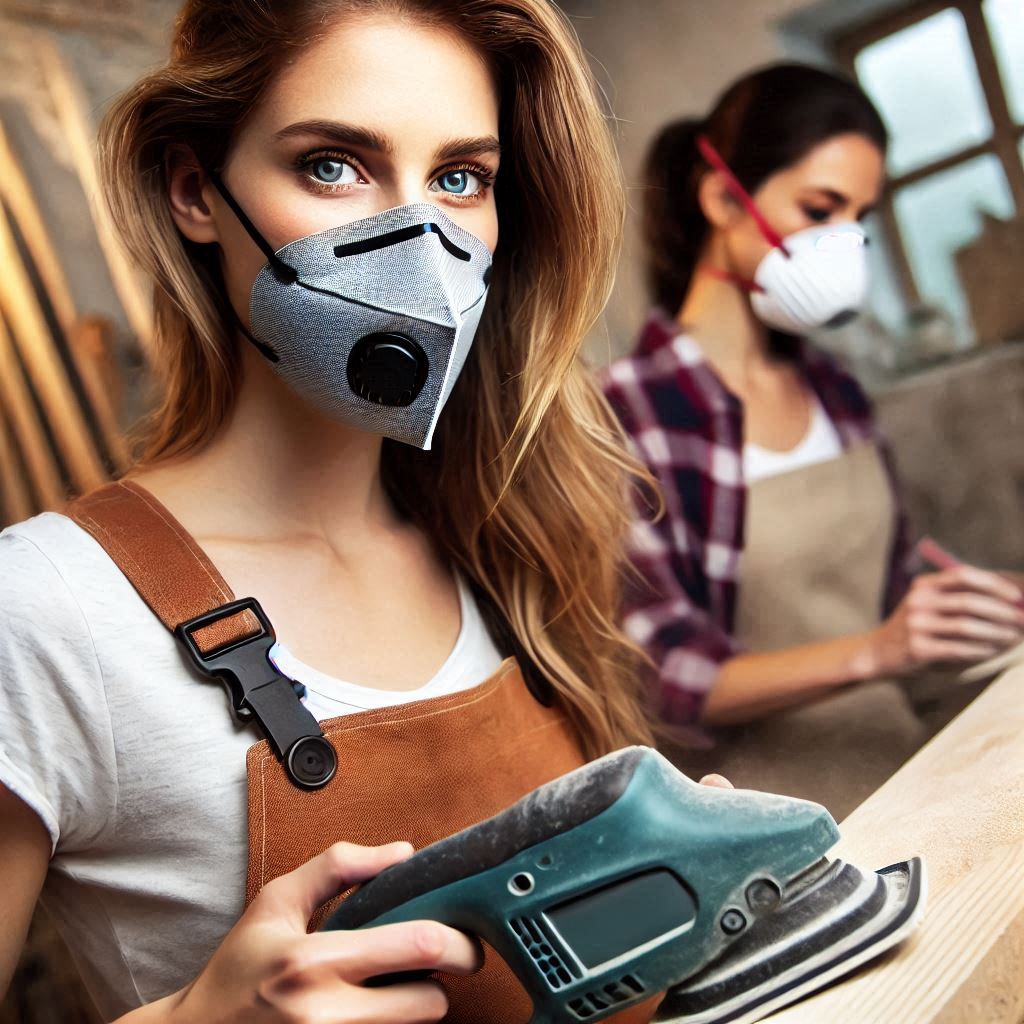
Woodworking Face Mask With Filter: The essential guide to choosing and using woodworking face masks with filters to protect your respiratory health while working with wood.
Importance of Respiratory Protection in Woodworking
Woodworking creates fine particles that can easily become airborne. For instance, when sanding down wood surfaces, tiny particles are released into the air, which can be inhaled, potentially leading to severe respiratory complications over time. Exposure to wood dust can lead to conditions such as woodworker’s lung, which is a form of hypersensitivity pneumonitis and can cause chronic inflammation of the lungs.
The health risks associated with wood dust exposure are not to be taken lightly. Many woodworking enthusiasts have reported experiencing improved breathing and reduced allergy symptoms when they consistently wear masks during their projects. This observation highlights the immediate benefits of protective measures when engaging in woodworking activities, which often involve prolonged exposure to harmful particulates. Woodworkers who prioritize respiratory protection not only enhance their comfort during projects but also significantly mitigate the risk of developing long-term respiratory issues.
Woodworking Face Mask With Filter. When it comes to woodworking dust masks, there are several types available, each offering varying levels of filtration efficiency. N95 masks are among the most commonly recommended, as they filter out at least 95% of airborne particles, including harmful dust and allergens. These masks are particularly effective during tasks like sanding or cutting, where fine particles are prevalent. On the contrary, P100 masks provide even superior filtration, blocking 99.97% of fine particles, which is especially crucial for woodworkers operating in environments with high dust levels.
Moreover, the choice between half-face and full-face respirators can significantly impact the level of protection one receives. While half-face masks are suitable for moderate tasks and offer good comfort, full-face respirators provide comprehensive protection, including coverage for the eyes, which is beneficial when working with finishes and adhesives that may irritate or damage the eyes. For example, a woodworker applying a lacquer finish may prefer a full-face respirator to ensure complete protection from harmful vapors. Disposable dust masks are also available for short tasks; however, they may not provide adequate protection for prolonged exposure, making them less suitable for extensive woodworking sessions.
Wearing a face mask while woodworking is crucial due to the harmful dust and VOCs produced during various tasks. These particles can lead to respiratory issues, and the danger is amplifying with prolonged exposure. For example, fine wood dust can penetrate deep into the lungs, potentially leading to chronic respiratory diseases such as asthma, bronchitis, and even lung cancer in severe cases. Woodworking Face Mask With Filter. Proper mask usage is an essential component of a comprehensive safety strategy that should also include other protective gear like goggles and ear protection to ensure overall safety while working.
The benefits of wearing a mask extend beyond respiratory health. Exposure to wood dust can also adversely affect skin health, resulting in irritation or allergic reactions. This makes it vital for woodworkers to wear masks not only for lung protection but also as a safeguard against skin issues. For instance, an individual sanding a rough piece of pine might experience skin irritation from the dust particles settling on their skin, reinforcing the need for comprehensive protective measures. By adopting the habit of wearing a mask, woodworkers can protect themselves from immediate discomfort and long-term health complications.
Filters play a crucial role in the effectiveness of woodworking masks, as they determine the level of protection against hazardous particles. P100 filters are highly regarded for optimal dust protection, as they block 99.97% of particulates, making them highly effective in environments with heavy dust exposure. Some masks are designed with interchangeable filters that allow users to tailor their protection based on specific dust and chemical exposures. For example, a woodworker may choose to use a filter specifically designed to capture fine dust particles while swapping it out for an activated carbon filter when working with chemical vapors from adhesives or finishes.
Activated carbon filters significantly enhance the protection provided by masks against harmful chemical vapors and odors, which can be prevalent during woodworking. Masks equipped with HEPA filters capture even smaller particles, offering superior filtration capabilities, making them ideal for those who work in extremely dusty environments. It is essential to ensure that the filters are compatible with the mask model to maintain proper functionality and safety. Regular filter replacement is also necessary to ensure that the mask continues to provide adequate protection, particularly in high-dust scenarios, as clogged or dirty filters can diminish the mask’s effectiveness.
Selecting the appropriate mask for woodworking projects involves several considerations, particularly regarding the type of tasks and the level of dust exposure. Fit and comfort are critical factors; masks should create a tight seal to prevent dust from entering. A poorly fitting mask can lead to gaps that allow dust to bypass the filter, rendering it ineffective. Masks with adjustable straps can provide a better fit, enhancing comfort during extended use, which is especially important for those who may spend hours in their workshops.
Moreover, researching user reviews and professional recommendations can assist in finding the best mask suited for specific woodworking activities. For instance, a woodworker who primarily engages in detailed sanding may prefer a lightweight N95 mask for comfort, while someone who frequently applies finishes might opt for a full-face respirator for comprehensive protection. Ensuring that the mask complies with safety standards set by organizations such as NIOSH is also crucial. This compliance guarantees that the selected mask meets established guidelines for respiratory protection, providing peace of mind for woodworkers.
Proper maintenance and care of woodworking masks are essential to ensure their effectiveness and longevity. Regularly inspecting masks for wear and tear is important; if any damage is detected, the mask should be replaced immediately to maintain the highest level of protection. Reusable masks should be cleaned according to the manufacturer’s instructions to ensure they remain effective, while filters should be replaced periodically, especially in environments with significant dust exposure. For example, a mask used daily in a high-dust shop may require filter replacement every few weeks, whereas one used occasionally may last longer.
Storing masks in a clean, dry place is vital to prevent contamination and degradation of materials. Improper storage can lead to the development of mold or bacteria, which can pose additional health risks when the mask is worn. It is advisable to avoid sharing masks to maintain personal hygiene and prevent the spread of respiratory illnesses. By following these maintenance steps, woodworkers can ensure their masks continue to provide the necessary protection during projects, contributing to overall health and safety in the workshop.
When it comes to selecting a brand for woodworking masks, several options stand out due to their reputation for quality and effectiveness. 3M Respirators are often highly recommended by woodworking enthusiasts for their comfort and reliability across various tasks. These masks are known for their advanced filtration systems, making them a popular choice for both amateur and professional woodworkers. The GVS Elipse P100 is another excellent option, noted for its lightweight design and suitability for extended wear, providing woodworkers with a comfortable option for long project sessions.
Other brands like RZ Masks and Trend Stealth are increasingly popular for their airflow and compact designs, respectively, which appeal to users who prioritize comfort without sacrificing protection. Parcil Safety masks offer versatile respirators with interchangeable filters, allowing users to customize their protection based on the specific tasks they are performing. For instance, Parcil Safety’s masks can be equipped with filters tailored for both dust and chemical protection, making them suitable for diverse woodworking scenarios. Brands like Dräger are particularly useful for tasks involving VOCs, providing good protection against harmful fumes. Ultimately, personal preferences and experiences play a significant role in selecting the best mask for individual woodworking needs.
User experiences and preferences regarding woodworking face masks vary widely, with many enthusiasts sharing their insights and recommendations. Full-face masks are often favored by those working with chemicals due to the comprehensive protection they offer, ensuring that both the respiratory system and eyes are safeguarded from harmful substances. Comfort is another essential aspect for users; many emphasize the importance of proper sizing to avoid discomfort, particularly around the nose and face, which can be a common issue during prolonged use.
Feedback from users frequently highlights the importance of breathability and ease of filter replacement. A mask that allows for easy filter swaps can significantly enhance the user experience, especially for those who frequently switch between tasks. Trying different models to determine the best fit and comfort level is a common recommendation among woodworking communities, as individual needs vary greatly. Users often share their experiences with specific brands and models, which can be beneficial for newcomers to woodworking or those looking to upgrade their safety gear.

Neglecting to wear a face mask while woodworking can lead to serious health risks that can accumulate over time. Inhalation of fine dust can contribute to chronic respiratory diseases, reduced lung function, and can even create permanent damage to lung tissue if exposure is frequent and prolonged. For instance, woodworkers may unknowingly inhale dust particles that can lead to severe conditions, such as allergic reactions or chronic bronchitis, over years of exposure. Additionally, exposure to VOCs from adhesives and finishes can result in health issues such as headaches, dizziness, and respiratory irritation.
The long-term risks of not wearing a mask extend beyond immediate symptoms. Studies have shown that consistent exposure to wood dust without adequate protection may increase the risk of developing specific types of cancer associated with certain woods, such as those containing toxic compounds like formaldehyde. For individuals with pre-existing conditions, such as asthma or allergies, the lack of respiratory protection can exacerbate symptoms and lead to serious health complications. Evidence indicates that woodworkers who regularly use protective masks experience significantly better health outcomes, underscoring the importance of incorporating respiratory protection into woodworking practices.
Selecting the right woodworking face mask with a filter is essential for ensuring health safety while working on projects. Prioritizing respiratory protection in all woodworking activities can lead to a more enjoyable and safer experience. Regular maintenance and ensuring a proper fit are crucial for maximizing the effectiveness of masks.
The potential health risks associated with ignoring respiratory protection underscore the need for quality masks as part of woodworking safety gear. Woodworkers are encouraged to invest in good-quality masks and integrate them into their safety practices to safeguard their health while indulging in their craft. Taking these precautions not only protects individual health but also contributes to the overall safety culture within the woodworking community.
You cannot copy content of this page