10 Beginner Woodworking Projects You Can Finish in a Weekend
10 easy beginner woodworking projects
Discover 10 easy beginner woodworking projects you can complete in a weekend. Perfect for skill-building and adding handmade charm to your home.
Introduction
If you’re new to woodworking, you don’t need expensive tools or years of experience to create something amazing. In fact, many beginner woodworking projects can be completed in just one weekend, giving you the instant satisfaction of turning raw wood into a functional or decorative piece. Whether you want to improve your skills, decorate your home, or make thoughtful gifts, these 10 easy woodworking ideas are the perfect starting point.
1. Simple Bookshelf
A classic beginner project, the simple bookshelf requires only straight cuts and basic joinery. Use pine or plywood to keep costs low, and finish with stain or paint for a custom look.
Cut small squares or circles from scrap wood, sand smooth, and seal with a waterproof finish. These make great gifts and protect your furniture from water rings. Rustic Wooden Coasters Plans
4. Floating Shelves
A stylish and space-saving project. Floating shelves work in any room and can be built in just a few hours.
SEO Tip: Search for “floating shelf brackets” — these make installation simple and sturdy. Floating Shelves plans
5. Wooden Planter Box
Planter boxes are perfect for both indoor and outdoor use. Cedar is a great choice because it naturally resists rot. Wooden Planter Box Plans
6. Birdhouse
A timeless woodworking classic. Birdhouses are fun to make, help local wildlife, and allow endless design creativity. Birdhouse Plans
7. Step Stool
A small step stool is practical and teaches you about structural strength in woodworking. Great for kitchens, bathrooms, or workshops. Step Stool Plans
8. Wall-Mounted Key Holder
Combine small hooks with a wooden board for a stylish way to keep your keys organized. Add a mini shelf for mail storage. Wall-Mounted Key Holder Plans
9. Cutting Board
Cutting boards are both functional and beautiful. Use hardwoods like maple or walnut, and finish with food-safe mineral oil. Cutting Board Plans
10. Simple Bench
A straightforward bench can be used indoors or outdoors. It’s a bigger project but still manageable in a weekend. Simple Bench Plans
Conclusion
These beginner woodworking projects prove that you don’t need to be an expert to create something useful and beautiful. Start with a project that excites you, gather your materials, and enjoy the satisfaction of building with your own two hands.
Top Five Woodworking Gloves: Enhance Safety and Comfort in Your Craft
Top Five Woodworking Gloves. My top five woodworking gloves that enhance safety, comfort, and performance for your projects.
Top Five Woodworking Gloves
Importance of Wearing Gloves in Woodworking
Wearing gloves while woodworking is essential for several reasons that extend beyond mere comfort. First and foremost, gloves help reduce exposure to allergens and irritants commonly found in wood dust, which can lead to skin reactions or infections. For example, individuals who frequently handle certain types of wood, such as oak or cedar, may develop contact dermatitis due to prolonged exposure. Proper protective gloves serve as a barrier against these irritants, significantly lowering the risk of skin problems and ensuring a more enjoyable woodworking experience.
In addition to providing protection against allergens, wearing gloves enhances hand strength and dexterity, allowing for better control over tools and materials. This is particularly crucial when working on intricate designs or small components, where precision is key to achieving the desired results. For instance, a woodworker cutting fine dovetails will find that high-quality gloves improve their grip on the small, sharp tools, ultimately leading to cleaner cuts and enhanced craftsmanship. Moreover, gloves that fit well can help prevent hand fatigue and strain during prolonged use, thus enhancing overall productivity. A well-fitted glove can make a world of difference for someone engaged in extended hours of sanding or carving, helping to maintain focus and reducing the likelihood of injury.
Key Features to Look For in Woodworking Gloves
When selecting woodworking gloves, certain features can significantly enhance your experience and safety. One of the most important aspects is reinforced stitching, which increases durability and extends the lifespan of the gloves. Gloves with double-stitched seams are less likely to tear during demanding tasks, making them ideal for heavy-duty woodworking projects. For example, someone using a chisel for carving intricate designs will benefit from the added durability of reinforced gloves, as they withstand the rigors of the task without succumbing to wear.
Another valuable feature is touchscreen compatibility, allowing users to operate devices without needing to remove their gloves. This capability can be particularly useful for woodworkers who may want to reference plans or tutorials on their phones while working, as it saves time and keeps them focused on the task at hand. Consider gloves that provide both dexterity and protection, particularly if you are working with small components or intricate designs. Additionally, adjustable wrist straps can ensure a snug fit and minimize debris entry, keeping your hands cleaner and safer during woodworking tasks. This is especially important for those working with fine sawdust or shavings from sanding, as a secure fit prevents dust from entering the glove.
Overview of the Top Five Woodworking Gloves
1. Dowellife Woodworking Gloves
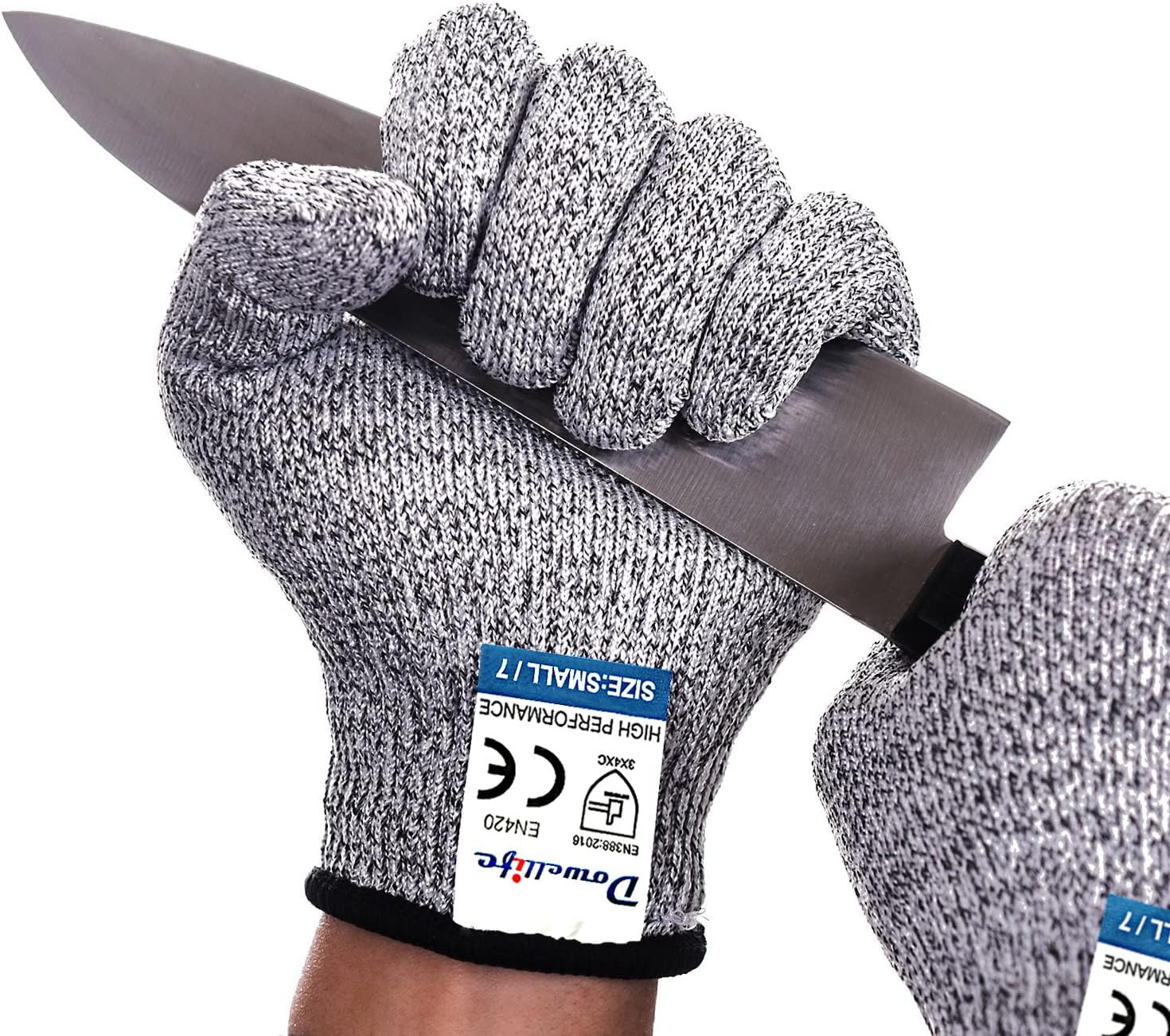
Dowellife Cut Resistant Gloves From Amazon
Dowellife Woodworking Gloves are made from a blend of materials that offer both flexibility and protection, making them suitable for various woodworking tasks. Users have reported high satisfaction with the gloves’ grip, especially when handling slippery materials, such as finished wood pieces. The textured palms provide excellent traction, which is invaluable when working with smooth surfaces. Furthermore, these gloves are available in multiple colors and designs, catering to different user preferences, which can make them a more appealing option for those who value both functionality and style.
For those who prioritize comfort, Dowellife gloves feature a lightweight design that enhances breathability, allowing sweat to evaporate during long working sessions. This is a significant advantage over bulkier gloves that can lead to discomfort and distraction. Many users appreciate that they can wear these gloves for extended periods without feeling overly fatigued or restricted, making them an excellent choice for both professionals and hobbyists alike.
2. Atlas Fit Gloves
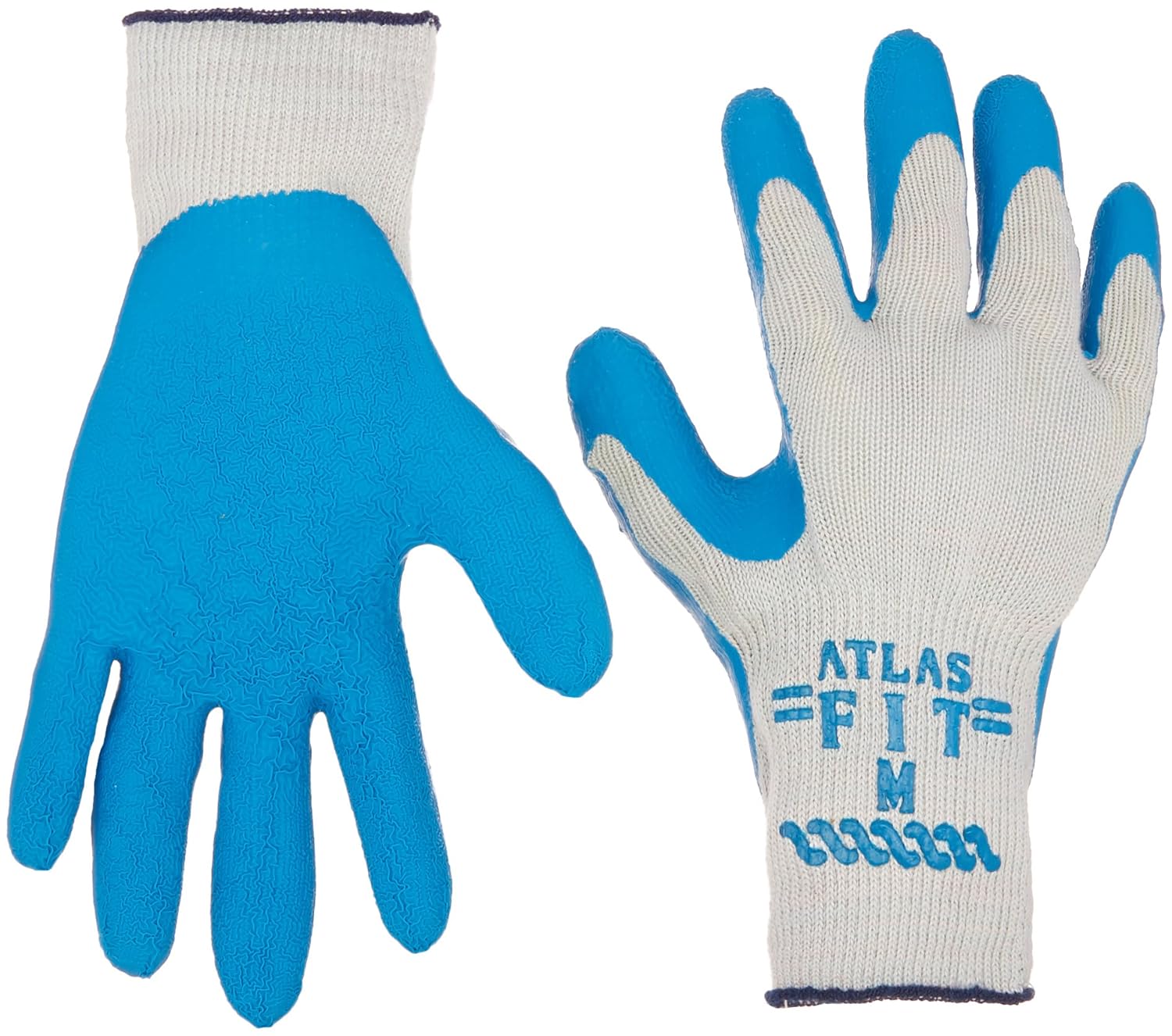
Atlas Gloves From Amazon
Atlas Fit Gloves are known for their ease of cleaning and maintenance, which helps prolong their lifespan. Frequently recommended for both woodworking and gardening, their versatility is a significant selling point. Users highlight the gloves’ snug fit, enhancing control when working with small tools, making them ideal for precision tasks. For example, a woodworker using chisels or small files would benefit from a glove that allows for ample dexterity while still providing protection against splinters and cuts.
Moreover, these gloves are often available at an affordable price point, making them an accessible option for beginners who may not want to invest heavily in protective gear right away. Their lightweight design adds to their comfort, allowing users to keep their focus on their work rather than on their hands. The availability of various sizes also ensures that users can find a suitable fit, which is crucial for both comfort and effectiveness.
3. Mechanix Wear The Original Work Gloves
Mechanix Wear From Amazon
These gloves feature a synthetic leather palm that provides enhanced durability and grip during heavy-duty tasks. Users have noted that the gloves withstand rigorous use without showing signs of wear, making them a popular choice for professionals who demand reliability. Some models include additional protection features like knuckle guards, which offer extra safety when working with sharp tools or heavy materials. For instance, a woodworker who frequently uses a router can benefit from the added protection provided by knuckle guards, reducing the risk of injury.
Mechanix Wear gloves also boast a versatile design that caters to various trades, not just woodworking. This adaptability makes them a valuable addition to any toolbox, allowing users to transition seamlessly between different tasks. The gloves are machine washable, simplifying the maintenance process, which is a considerable advantage for individuals who often tackle messy projects. This feature ensures that users can keep their gloves in top condition, ready for the next woodworking adventure.
4. Milwaukee Cut Level 3 High Dexterity Gloves
Milwaukee Cut resistant gloves From Amazon
Milwaukee gloves boast a unique design that provides breathability while maintaining cut protection. Users appreciate the form-fitting design, allowing for better handling of precision tools. This is particularly beneficial for detailed tasks such as carving or intricate joinery work, where a secure grip can make a significant difference in the outcome. The cut level 3 protection ensures that woodworkers can work confidently without worrying about accidental injuries from sharp tools.
Furthermore, the gloves are machine washable, making them easy to care for after messy projects, which is a significant advantage for any woodworker. This feature allows users to maintain hygiene and extend the gloves’ lifespan, ensuring that they remain a reliable safety measure. The Milwaukee gloves have gained popularity among woodworking instructors who recommend them to students for their balance of protection and dexterity, making them an ideal choice for learners and experienced woodworkers alike.
5. Ironclad General Utility Work Gloves
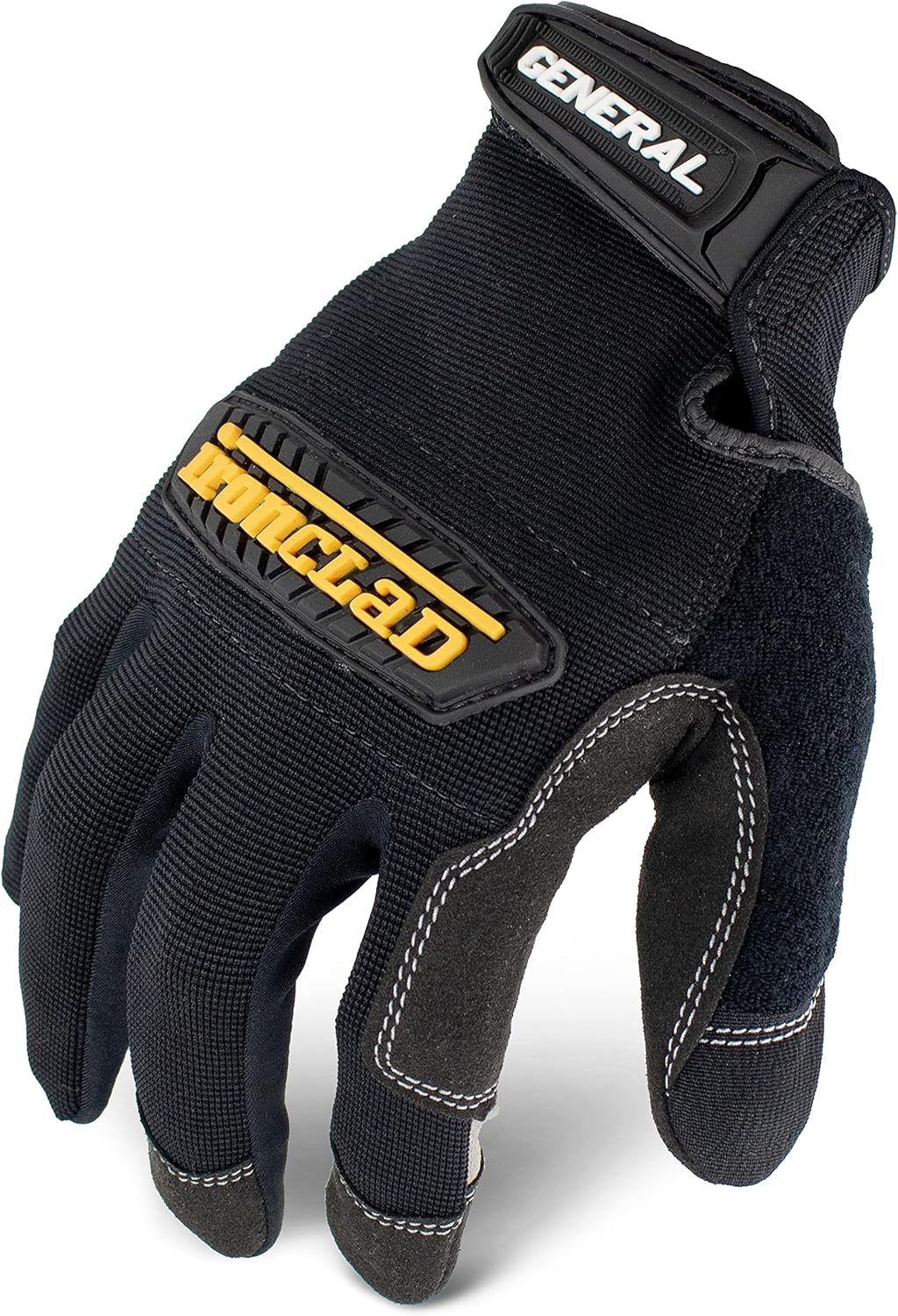
Ironclad General Utility Work Gloves
Constructed with high-performance materials, Ironclad gloves are designed to withstand tough conditions. Users note that these gloves provide excellent tactile sensitivity, vital for detailed woodworking tasks. This sensitivity allows woodworkers to feel the materials they are working with, ensuring precise cuts and placements. The design includes strategically placed padding, which protects against impacts while maintaining dexterity, making them ideal for various woodworking applications.
Ironclad gloves are particularly noted for their durability, often lasting longer than competing brands, which is crucial for professionals concerned about their investment in safety gear. Additionally, the gloves are designed to fit comfortably, reducing the risk of hand fatigue during extended use. Many users appreciate the combination of comfort, durability, and protection, which makes Ironclad gloves a top recommendation among woodworking professionals.
User Reviews and Ratings for Each Glove
User feedback plays a crucial role in choosing the right woodworking gloves. Dowellife gloves consistently receive positive feedback for their comfort, even after prolonged use. Users report that the gloves allow for ample flexibility, making them suitable for various tasks without losing grip. Atlas Fit gloves are often praised for their affordability, making them a popular choice among hobbyists. Many users appreciate their functionality in both woodworking and gardening, showcasing their versatility.
Mechanix Wear gloves have developed a loyal following among tradespeople, highlighting their performance across various applications. Users frequently mention their durability and reliability, which are essential for anyone involved in serious woodworking projects. Milwaukee gloves are frequently recommended by woodworking instructors for students learning to use tools, reflecting their reliability and ease of use. The consensus among educators and experts is that these gloves provide a perfect balance of protection and dexterity for beginners. Lastly, Ironclad gloves are recognized for their durability and ability to withstand wear and tear in demanding environments, ensuring they remain a top choice for serious woodworkers.
Comparison of Breathable vs. Waterproof Woodworking Gloves
Choosing between breathable and waterproof gloves depends largely on the conditions in which you’ll be working. Breathable gloves allow moisture and sweat to escape, keeping hands cool during hot weather, which can be a blessing during long woodworking sessions. For instance, a woodworker might find breathable gloves particularly useful in a warm workshop where ventilation is limited. These gloves can help maintain comfort and focus, preventing distractions caused by sweaty hands.
On the other hand, waterproof gloves often provide insulation and warmth during cold weather woodworking tasks. These gloves can be indispensable for those who work in unheated spaces during winter months, as they help maintain hand warmth while providing necessary protection. Some gloves combine both features, offering a versatile option for varying environmental conditions, making them suitable for year-round use. Understanding the specific requirements of your projects can significantly influence your choice and enhance your overall experience.
Durability and Comfort in Woodworking Gloves
Durability and comfort are paramount in the selection of woodworking gloves. Gloves made with Kevlar or similar materials offer high resistance to cuts and abrasions, enhancing safety during tasks that involve sharp tools. For example, a woodworker using a chisel for detailed work needs gloves that can withstand the risk of accidental slips. This level of protection is crucial for anyone who frequently works with sharp instruments, providing peace of mind while allowing for focused craftsmanship.
Many gloves are designed with ergonomic shapes that conform to hand structure, improving comfort during use. The presence of moisture-wicking liners in some gloves helps keep hands dry and comfortable during extended wear, making them ideal for long woodworking sessions. Choosing gloves with these comfort-enhancing features can significantly affect a woodworker’s efficiency and enjoyment of the craft, allowing them to work longer without discomfort.
Recommended Maintenance for Woodworking Gloves
To maintain the protective qualities of your woodworking gloves, regular cleaning according to manufacturer instructions is essential. This ensures that the gloves remain free from dirt and debris that can compromise their protective capabilities over time. Additionally, inspecting gloves for signs of wear or damage before each use ensures they provide adequate protection when working with sharp tools. Small tears or fraying can drastically reduce their effectiveness, making regular checks vital for safety.
Proper storage is also crucial; keeping gloves in a dry, cool place can prevent deterioration from humidity and temperature fluctuations. This practice helps to prolong the lifespan of the gloves, ensuring they remain reliable companions in your woodworking projects. By following these maintenance tips and treating your gloves with care, you can ensure they continue to provide the protection and comfort you need while working on your woodworking projects.
Final Thoughts on Selecting Woodworking Gloves
When choosing woodworking gloves, it is crucial to assess personal needs, such as specific tasks and environmental conditions. Understanding the demands of your projects will guide your selection, ensuring that you choose gloves that provide the necessary protection and comfort. Trying on different brands and styles may help identify the best fit and comfort level for individual users. This hands-on approach can greatly enhance your satisfaction with the gloves you ultimately choose.
Investing in quality gloves can lead to improved safety, performance, and enjoyment in woodworking projects. The right pair of gloves will not only protect your hands but also allow you to work more effectively, enhancing your overall experience in this rewarding craft. As woodworking is both an art and a skill, ensuring you have the right tools, including protective gloves, is vital to achieving the best results.
Top Five Woodworking Files for Precision Craftsmanship
Top Five Woodworking Files: Discover the top five woodworking files essential for precise craftsmanship and enhanced project results.
Top Five Woodworking Files
Importance of Woodworking Files in Craftsmanship
Woodworking files are invaluable tools in the realm of craftsmanship, essential for achieving precise finishes and intricate shapes in various woodworking projects. These specialized tools are designed to smooth surfaces, refine edges, and perfect joints, contributing significantly to the overall quality of finished pieces. For instance, when a woodworker is creating a custom table, the use of high-quality files can mean the difference between a rough surface and a beautifully polished finish that highlights the wood’s natural beauty. This level of detail not only enhances the aesthetic appeal but also ensures the durability and functionality of the piece.
Selecting the right file can dramatically impact how efficiently a project is completed. The right choice of woodworking file can save time and effort, allowing woodworkers to focus more on the creative aspects of their projects rather than struggling with inadequate tools. For example, a skilled craftsman might opt for a fine file when working on delicate cabinetry to avoid damaging the wood, demonstrating how crucial it is to understand the nuances of different files. This understanding leads to a more streamlined workflow and higher quality results.
Understanding Woodworking Files
Woodworking files are specifically designed hand tools used for material removal and surface finishing, making them essential in a woodworker’s toolkit. Typically constructed from hardened steel, these files feature a series of teeth that cut into the material as the user applies pressure, allowing for precision and control. The distinction between files and rasps is crucial for effective woodworking; files are equipped with parallel teeth that create smooth finishes on surfaces, while rasps have randomly placed teeth designed for more aggressive cuts, making them suitable for rough shaping. A classic example is the use of a file for cleaning up the edges of a dovetail joint, where a smooth finish is vital for fitting.
Understanding the various classifications of files can significantly enhance a woodworker’s effectiveness. Files are categorized by their length, shape, and cut type, which all influence their intended use. For instance, a round file is perfect for enlarging holes or creating concave shapes, while flat files are suited for smoothing flat surfaces. By comprehending these distinctions, woodworkers can select the most appropriate tool for their specific tasks, ensuring optimal performance and results.
Top Five Woodworking Files
1. Iwasaki Files
Woodworking Files From Amazon
Iwasaki files are highly regarded in woodworking circles for their exceptional ability to refine curves and produce a smooth finish, making them a staple among professional woodworkers. Priced around $30-40 each, these files are crafted from high-quality materials that ensure long-lasting durability and consistent performance. They require a light touch for effective use, which is essential when working on intricate details. For instance, when a woodworker is crafting delicate inlays for furniture, an Iwasaki file can help achieve a precise and smooth transition between different wood types.
Moreover, the craftsmanship behind Iwasaki files has earned them a loyal following among artisans. Their reputation is built on the ability to handle both soft and hard woods effectively, allowing users to tackle a wide range of projects. This versatility means that even novice woodworkers can achieve professional results, as they can rely on the quality and design of these files to guide their work.
2. Auriou Rasps
Wood Rasp From Amazon
Auriou rasps are celebrated for their exceptional craftsmanship and are often viewed as high-end tools within the woodworking community. The hand-stitched teeth of Auriou rasps provide a superior cutting ability, which is ideal for fine woodworking tasks that require a meticulous finish. These rasps are generally more expensive due to the artisanal effort involved in their production, often retailing for higher prices than machine-made alternatives. For delicate projects, such as shaping the body of a violin, Auriou rasps are frequently recommended for their ability to create smooth, precise contours without damaging the wood.
The unique design of Auriou rasps allows them to excel in shaping and finishing tasks, making them a favorite among fine woodworkers. Users appreciate the control and feedback these tools provide, enabling them to work confidently on intricate designs. While they may require a larger initial investment, the long-term benefits of using high-quality rasps like Auriou’s justify the cost, as they can deliver impeccable results that elevate the quality of any woodworking project.
3. Nicholson Files
File Set From Amazon
Nicholson files have a long-standing reputation for being reliable tools, particularly among hobbyists and novice woodworkers. While there have been reports of a decline in quality for certain models, the brand remains popular for its affordability and variety. Nicholson offers a range of files suitable for both woodworking and metalworking, showcasing their versatility. For example, when a beginner woodworker is constructing a simple birdhouse, a Nicholson file can provide the necessary versatility for shaping and smoothing edges, making it an accessible choice for those just starting in the craft.
Despite concerns regarding quality in some recent models, Nicholson files are still praised for their reliability in various applications. Their affordability allows new woodworkers to build up a toolkit without incurring substantial costs, making them a practical choice for those exploring the craft. Additionally, Nicholson’s enduring presence in the market ensures that users can find replacement files or specific types suited to their projects, fostering a sense of confidence in their tool selection.
4. Shinto Rasps
Shinto Rasp From Amazon
Shinto rasps are particularly known for their effectiveness and affordability, which makes them a favorite among various woodworking enthusiasts. These rasps feature a unique design that combines both coarse and fine cutting edges, allowing users to tackle a wide variety of tasks with just one tool. Their lightweight construction means that they can be handled comfortably for extended periods, reducing fatigue during long projects. For instance, when shaping a large wooden sculpture, a Shinto rasp can quickly remove material while leaving a smooth finish, making it invaluable for artists.
The versatility of Shinto rasps extends beyond just woodworking; they are also effective on softer materials, enhancing their appeal to a broader range of users. Whether working on furniture, crafts, or home improvement projects, woodworkers appreciate the ability to switch between rough shaping and fine finishing with one tool. This adaptability makes Shinto rasps a practical addition to any woodworking toolkit, especially for those who value efficiency and ease of use.
5. Kutzall Rasps
Kutzall Rasp From Amazon
Kutzall rasps are recognized for their aggressive material removal capabilities, making them ideal for rough shaping tasks. These rasps are designed for heavy-duty use, allowing woodworkers to tackle tougher materials with ease. Their application extends to both wood and soft metals, which significantly enhances their versatility in any workshop setting. For example, when a woodworker is engaged in large-scale projects like creating custom furniture, Kutzall rasps can quickly reduce the material, allowing for faster project completion without compromising quality.
Users appreciate the long-lasting performance of Kutzall rasps, even under rigorous conditions. Their design focuses on efficiency, which means that woodworkers can achieve desired results in less time compared to using standard rasps. This efficiency, combined with their ability to produce a smooth finish, makes Kutzall rasps a valuable asset for anyone looking to enhance their woodworking experience.
Key Features to Consider
When choosing woodworking files, several key features should be carefully considered to ensure the right fit for your projects. The classification of file types based on shape—such as flat, round, half-round, triangular, and square—is crucial for selecting the appropriate tool for specific applications. Each shape is designed to meet distinct needs; for instance, flat files are excellent for smoothing flat surfaces, while round files excel at enlarging holes or creating concave shapes. Understanding these distinctions can greatly improve the quality of work produced.
Additionally, file grades play an integral role in determining the effectiveness of each file. The grades include Rough, Bastard, Second Cut, Smooth, and Dead Smooth, each serving different material removal purposes. The cut types, such as Single Cut, Double Cut, and Rasp Cut, also influence the finish and speed of material removal. Choosing the right file based on these specifications can ensure that the job is done efficiently and effectively. Ergonomic designs and handle options can further enhance user comfort and control during use, making it easier to achieve precise results.
Recommended Uses for Each File Type
Understanding the recommended uses for each file type is essential for maximizing their effectiveness in woodworking projects. For instance, Iwasaki files are particularly well-suited for detailed work and shaping curves, while Auriou rasps excel in fine finishing tasks [1]. Nicholson files serve as reliable general-purpose tools, while Shinto rasps are perfect for quick material removal. Kutzall rasps are known for their aggressive shaping capabilities, making them ideal for heavy-duty projects.
Selecting files based on the specific woodworking task at hand ensures optimal results. For example, when creating intricate cabinetry, a woodworker may choose Iwasaki files to achieve the desired smoothness and precision. Additionally, understanding the specific materials being worked on can help in choosing the right file type, as certain files are better suited for different woods. This knowledge allows woodworkers to tailor their tool selection to their projects, ultimately enhancing the quality of their work.
Care and Maintenance Tips
Proper care and maintenance of woodworking files are critical for extending their lifespan and ensuring optimal performance. Files should be cleaned regularly with a wire brush to remove debris and prevent clogging. This routine maintenance is essential, as accumulated material can inhibit the effectiveness of the file and lead to unsatisfactory results. In addition to regular cleaning, using chalk on files can help reduce friction, which not only preserves the tool but also enhances performance. Storing files in protective sleeves is another recommended practice to prevent damage and prolong their usability.
For rejuvenating old or dull files, soaking them in vinegar or utilizing specialized cleaning solutions can restore their functionality. This process can significantly improve the cutting ability of files that have seen better days. Regularly inspecting files for wear and tear is equally important, as this allows users to address any issues before they impact performance. Maintaining a proactive approach to file care ensures that woodworkers can rely on their tools for years to come.
Top Five Woodworking Files Price Range and Where to Buy
The price range for quality woodworking files varies significantly, typically falling between $13 for hand-stitched rasps to $40 for premium brands like Iwasaki. This range allows woodworkers to choose tools based on their budget and specific needs. Local hardware stores and online retailers, such as Amazon and Home Depot, provide a wide selection of woodworking files, making it easy for enthusiasts to find the right tools [1].
When purchasing online, it is essential to consider shipping costs, as these can affect the overall price of the files. Additionally, users should keep an eye out for seasonal sales and discounts that can offer opportunities to purchase high-quality files at lower prices. By comparing options and reading user reviews, woodworkers can make informed decisions that ensure they invest in the best tools for their specific projects.
Conclusion: Maximizing Your Woodworking Craft
Choosing the right woodworking files is vital for improving craftsmanship and achieving high-quality results in woodworking projects. Investing in quality tools not only enhances the woodworking experience but also contributes to skill development over time. Understanding the various types of files, their uses, and maintenance practices will empower woodworkers to make informed decisions that lead to better outcomes in their projects.
Woodworking is an ongoing learning process, and tool selection plays a crucial role in it. Engaging with resources and communities for further insights into woodworking tools and techniques can enrich the experience and help woodworkers advance their skills [2]. By exploring additional resources, enthusiasts can continue to refine their craft and enjoy the art of woodworking.
Top Five Woodworking Files Additional Resources
For further reading on woodworking file maintenance, types of files, and user reviews of various brands, resources are available online [2]. Joining online forums and woodworking clubs can provide opportunities for sharing tips and experiences related to file usage. Additionally, instructional videos and tutorials demonstrating the proper use and care of woodworking files can enhance your understanding and skills in this essential area of craftsmanship.
Unlocking the Power of CNC Machines: A Woodworkers Guide to Precision and Creativity
Woodworking cnc machine: Explore the world of woodworking CNC machines, their benefits, types, and essential tips for maintenance and operation.
Woodworking CNC Machine
Understanding CNC Machines in Woodworking
CNC machines, or Computer Numerical Control machines, are automated tools that use computer programming to execute precise movements for cutting, carving, and milling wood. These machines have revolutionized the woodworking industry by allowing for remarkable accuracy and repeatability, which are essential in producing high-quality wood products. For example, a CNC machine can be programmed to replicate the same intricate design on multiple pieces of wood, ensuring uniformity across a batch of items such as custom furniture or decorative items.
Woodworking CNC Machine: The technology behind CNC machines enhances their versatility as they can perform a wide range of functions—from simple cuts to complex 3D carvings—making them a valuable asset in any woodworking shop. The integration of CAD (Computer-Aided Design) and CAM (Computer-Aided Manufacturing) software allows woodworkers to transition seamlessly from design to production, optimizing their workflow. This capability is particularly useful when designing intricate patterns, such as those needed for elaborate cabinetry or custom shelving units. An example of this is a woodworker using CAD to design a detailed scroll pattern and then employing CAM to create the tool paths required for a CNC router to carve it accurately into the wood.
CNC machines offer a level of precision that is hard to achieve with traditional manual tools. The detailed programming allows for complex designs that can be executed quickly and consistently, making them ideal for both hobbyists and professionals alike. This precision is not only beneficial for aesthetic purposes but also for functional applications, such as ensuring that joints fit snugly in furniture assembly, enhancing the overall structural integrity of the finished product.
Benefits of Using CNC Machines for Woodworking
Utilizing CNC machines in woodworking projects offers numerous benefits, particularly in terms of precision and efficiency. One significant advantage is the increased accuracy of cuts and designs, which leads to professional-quality results and minimizes material waste. For instance, a CNC router can create intricate joinery with exact measurements, ensuring that pieces fit together perfectly in furniture assembly. This precision can save woodworkers both time and money, as reduced waste means fewer materials need to be purchased.
Another key benefit is the automation of repetitive tasks, which allows woodworkers to focus more on design and creativity, significantly boosting productivity. CNC machines can handle complex designs and intricate detailing that may be difficult to replicate by hand, such as custom engravings on cabinetry or decorative inlays. For example, a custom cabinet maker can set up a CNC machine to engrave a unique design into the door fronts, allowing them to complete a large order without sacrificing craftsmanship.
The ability to consistently produce high-quality outputs is invaluable in the woodworking industry, especially for businesses looking to scale their operations. This consistency also simplifies the process of replicating designs for larger projects or commercial production, which can be essential for meeting client demands. Moreover, CNC technology reduces the physical strain on woodworkers, allowing for safer working conditions, as machines handle the heavy lifting and repetitive motions that can lead to injury.
Types of CNC Machines Suitable for Woodworking
Woodworking CNC Machine: There are several types of CNC machines that are particularly well-suited for woodworking, each offering unique capabilities. CNC routers are among the most popular choices, known for their versatility in cutting, engraving, and carving wood. They can handle a variety of materials and are suitable for both hobbyists and professionals. Woodworking CNC Machine :For example, a CNC router can be used to create everything from decorative signs to detailed furniture components, allowing woodworkers to expand their offerings without needing multiple machines.
CNC milling machines, on the other hand, are typically used for more detailed work and can manage harder materials, making them ideal for advanced woodworking projects. They are particularly effective for tasks that require high precision and the ability to create complex shapes. An example would be a cabinetmaker using a CNC milling machine to produce intricate moldings for high-end cabinetry, ensuring that every piece meets exact specifications.
Benchtop CNC machines are another valuable option, providing a compact and affordable solution, particularly beneficial for hobbyists and those with limited workspace. These machines can still perform a wide range of tasks, making them excellent for smaller projects or for those just starting. Additionally, hybrid CNC machines combine features of both routers and milling machines, expanding the range of projects that can be executed. Portable CNC machines also exist, offering flexibility for woodworkers who need to work on-site, such as builders or contractors needing custom trim work for interior installations.
Common Woodworking Projects with CNC Machines
CNC machines are employed in a wide array of woodworking projects, showcasing their versatility and precision. One common application is sign-making, where CNC machines can efficiently produce intricate lettering and designs. This application is not only beneficial for businesses but also for personal projects, such as creating custom decorations for events. For instance, a small business might utilize a CNC machine to produce a series of personalized signs for clients, each displaying unique designs and names.
Furniture making is another area where CNC technology shines, allowing for precise cuts that facilitate complex assembly. For example, a CNC machine can cut out multiple identical chair legs with exact dimensions, ensuring uniformity in production. This capability can significantly speed up the manufacturing process, enabling woodworkers to produce large quantities while maintaining high standards of quality. Additionally, decorative wood carvings can be produced with high detail, enhancing the aesthetic appeal of various projects, such as custom cabinetry and artistic wall hangings.
Moreover, CNC machines can also be employed for creating intricate inlays and marquetry, allowing woodworkers to achieve creative designs that are difficult to replicate manually. For example, a woodworker looking to create a stunning tabletop might use a CNC machine to cut precise shapes for inlaying different wood species, resulting in a visually striking piece. The possibilities are vast, making CNC machines a critical tool in modern woodworking.
Tips for Maintaining and Operating CNC Machines
Proper maintenance and operation of CNC machines are crucial for ensuring their longevity and performance. Regularly checking and calibrating the machine helps maintain precision and prevents errors during operation. For instance, a woodworker might perform routine checks on the router bit and adjust its height to ensure accurate cuts for their projects. Additionally, establishing a regular maintenance schedule can help identify potential issues early, preventing costly repairs and downtime.
Keeping the machine clean is equally important; sawdust and debris can hinder performance and lead to malfunction. Implementing a dedicated cleaning routine, including vacuuming out the machine’s interior and wiping down surfaces, can significantly enhance its lifespan. Following the manufacturer’s guidelines for software updates and maintenance schedules is essential to prolong the machine’s lifespan. It’s also vital to inspect and replace worn-out parts, such as belts and bearings, to maintain operational efficiency and avoid unexpected breakdowns.
Training operators on proper usage and safety protocols minimizes risks and enhances overall performance. Developing a comprehensive training program for all staff members can ensure that everyone is knowledgeable about the machine’s operations and safety features. This proactive approach not only improves safety but also fosters a culture of responsibility and care for the equipment, ultimately leading to better results in woodworking projects.
Choosing the Right CNC Machine for Your Needs
Selecting the right CNC machine for your woodworking projects involves several considerations. First, assess the workpiece capacity, or “envelope,” to ensure the machine can accommodate your intended projects. For instance, if you plan to work on large furniture pieces, you will need a machine with a larger cutting area. Understanding the dimensions and weights of the materials you will typically use is also crucial for making an informed decision.
Next, consider the type of drive system the machine employs—options include belt drive, lead screw, or ball screw, with ball screws being preferred for their accuracy. Ball screws reduce friction and allow for tighter tolerances, which is essential for intricate designs. It’s also important to evaluate the community and support available for the machine brand, as this can significantly aid in troubleshooting and learning. Many brands offer extensive resources, including tutorials and forums, which can be invaluable for both new and experienced users.
Additionally, understanding the required cutting speed and power based on the materials you intend to work with is crucial for project efficiency. For example, hardwoods may require more powerful machines to achieve clean cuts, whereas softer materials like plywood might not need as robust a setup. Researching user reviews and experiences can provide insights into the reliability and performance of different CNC models. Engaging with the woodworking community, whether through online forums or local clubs, can also yield recommendations and firsthand accounts that guide you in making the best choice for your specific needs.
CNC Machine
Recommended Software for CNC Woodworking
The right software can greatly enhance the CNC woodworking process, offering tools for design and project execution. VCarve Pro and VCarve Desktop are popular choices among woodworkers due to their user-friendly design tools and availability of trial versions. These programs allow users to create intricate designs and generate tool paths for CNC machines efficiently. For instance, a woodworker could design a complex pattern that includes both cutting and engraving paths, simplifying the setup for the CNC machine.
Carveco Maker is another recommended software, especially for Onefinity machines, as it includes built-in CAM capabilities, which streamline the process of creating accurate tool paths. This integration means that users can spend less time switching between programs and more time focusing on the creative aspects of their projects. Additionally, CAD software can be beneficial for designing complex projects before sending them to the CNC machine for execution. For example, a user could draft a detailed layout for a cabinet in CAD, ensuring all components fit together perfectly before they are machined.
Some software options provide cloud-based solutions, enabling remote access and collaboration on designs, which is particularly useful for teams working on larger projects. This capability can enhance efficiency and creativity, as multiple users can contribute to the design process from different locations. Compatibility with various file formats, such as DXF and SVG, ensures flexibility in importing designs from different sources. This interoperability is crucial for woodworkers who may want to incorporate pre-existing designs or collaborate with other designers on projects.
Safety Precautions When Using CNC Machines
Safety is paramount when operating CNC machines, and there are several precautions that woodworkers should take. Wearing appropriate personal protective equipment (PPE), such as safety goggles and ear protection, is essential to safeguard against potential hazards. It is also important to ensure that the work area is free from obstructions and that the machine is securely positioned before operation. An organized workspace reduces the risk of accidents, allowing the woodworker to focus on their tasks without distractions.
Familiarizing oneself with the machine’s emergency shut-off features is crucial in case of malfunctions, and using adequate dust collection systems helps minimize airborne particles and maintain a clean workspace. Implementing effective dust control not only improves air quality but also enhances visibility around the machine, which is essential for maintaining focus during operations. Additionally, it is advisable never to leave the machine unattended during operation to prevent accidents and ensure immediate response to any issues that may arise.
Establishing a safety protocol that includes regular training sessions on machine operation and emergency procedures can foster a culture of safety within a workshop. Regularly reviewing safety practices and encouraging open discussions about potential hazards can help create an environment where safety is prioritized, ultimately protecting both the woodworker and the equipment.
Getting Started with DIY CNC Woodworking Projects
For those looking to embark on DIY CNC woodworking projects, starting with simple tasks can help build confidence and skills. Engaging with online tutorials and resources can provide valuable insights into machine setup and operation. Many woodworkers find success by beginning with straightforward projects like small signs or simple cutouts, which allow them to familiarize themselves with the machine’s controls and capabilities.
Connecting with woodworking communities can facilitate the sharing of experiences and best practices among woodworkers at varying skill levels. These communities often host workshops or meetups where members can learn from one another, share project ideas, and troubleshoot common issues. Experimenting with different materials allows woodworkers to understand their properties and how they interact with CNC machining. For example, trying out various types of wood can help a woodworker learn about the different cutting speeds and bit types required for each material.
Keeping a record of projects and processes can help refine techniques and contribute to the collective knowledge within the woodworking community. Documenting challenges faced and solutions discovered can provide valuable insights for future projects and assist others who may encounter similar issues. As skills develop, woodworkers can gradually advance to more complex designs, enhancing their craftsmanship and creativity.
Woodworking CNC Machine
Reviews and Comparisons of Popular CNC Machines
When selecting a CNC machine, it’s beneficial to consider user feedback and expert reviews. For beginners, the Carbide 3D’s Shapeoko line is highly recommended due to its excellent support and extensive community resources. This machine is praised for its user-friendly setup and availability of learning materials, making it an ideal choice for newcomers to CNC woodworking. Many users appreciate the extensive online tutorials available that guide them through initial setups and project ideas.
The Onefinity CNC machines are noted for their modular design, allowing for quick assembly and versatility in projects. Users often highlight the ease of switching between different setups, making it easier to tackle a variety of projects without needing extensive downtime. Laguna Tools also offers a range of high-quality CNC routers, catering to both hobbyists and professionals alike with their efficient cut quality. Reviews frequently mention the durability and reliability of Laguna machines, which can be an important factor for those looking to invest in equipment that will last.
User reviews emphasize the importance of customer service and support when choosing a CNC machine brand, as having access to reliable assistance can significantly enhance the user experience. Many woodworkers find that responsive customer support can make a big difference, especially when troubleshooting issues or seeking advice on project setups. Price comparisons reveal that investing in a durable, high-quality machine can yield long-term savings through reduced maintenance needs and improved performance. Ultimately, researching models that align with your specific needs and budget can lead to a successful CNC woodworking experience.