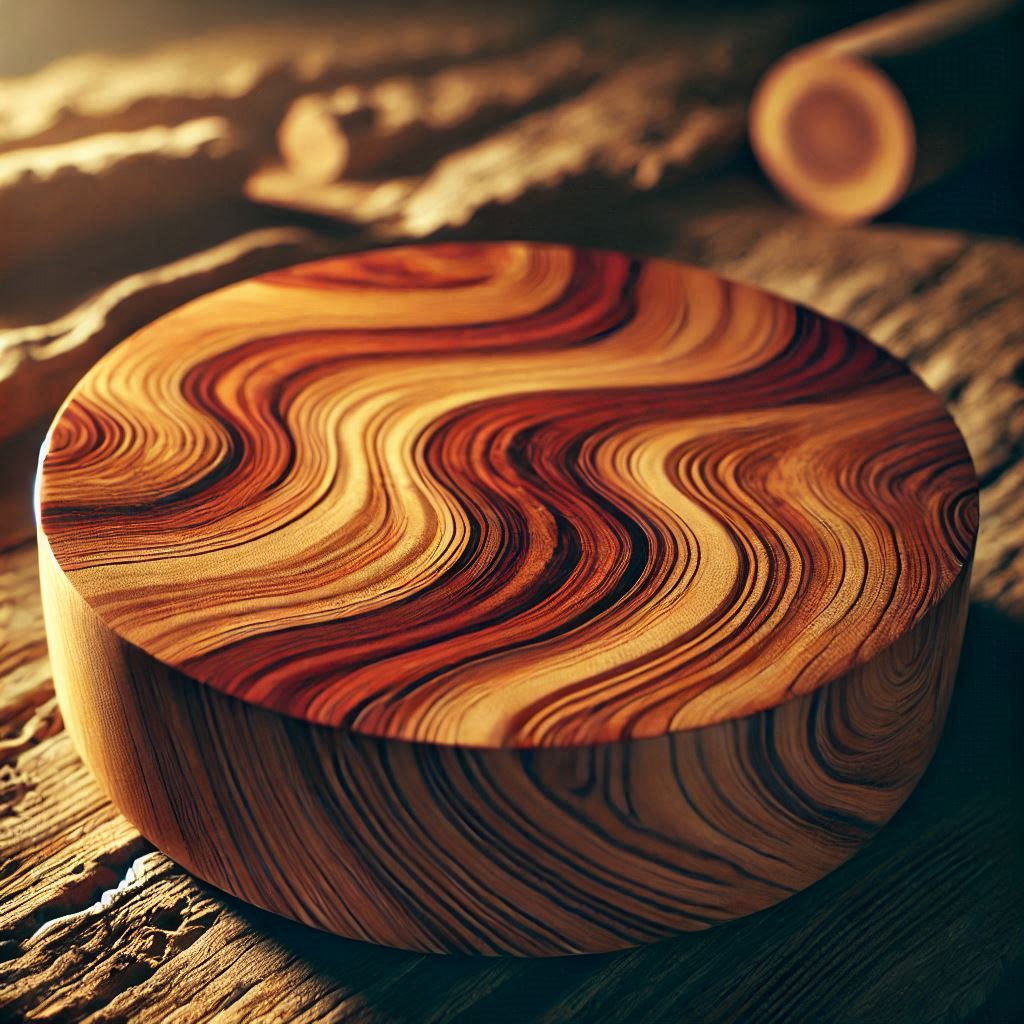
Understanding the Impact of Wood Grain on Drill Bit Selection
Wood grain significantly influences the choice of drill bits, affecting performance and outcomes in woodworking projects. Each type of wood grain can lead to varying levels of resistance during drilling. For instance, when drilling into a piece of oak, which is known for its dense and complex grain structure, a woodworker might find that a sharp brad point bit performs significantly better than a standard twist drill bit. The brad point bit’s design allows it to cut cleanly through the fibers, thus minimizing tear-out and ensuring a precise hole.
Different wood species exhibit distinct grain patterns, which can complicate the drilling process. Familiarity with these patterns equips woodworkers to anticipate challenges they may face during drilling. For example, drilling across the grain of cherry wood can result in splintering, necessitating the selection of specialized bits designed to handle such scenarios. By understanding the characteristics and behaviors of various wood grains, woodworkers can make more informed choices about their drill bits, leading to improved results in their projects.
Impact Of Wood Grain On Drilling Types of Wood Grains
Hardwoods and softwoods differ in grain structure and density, which significantly impacts drill bit selection. Common hardwoods like maple, cherry, and walnut have tighter grain patterns that require precise bits for effective drilling. On the other hand, softwoods such as pine and cedar, with their looser grain, may be more forgiving when it comes to drilling. For example, using a brad point bit on a piece of maple allows for cleaner entry due to its ability to score the wood fibers before cutting, thereby reducing the risk of damage.
Moreover, the variety of grain patterns within each wood type adds another layer of complexity. Curly or figured grains can present unique challenges, affecting how drill bits interact with the material. The moisture content of the wood can also alter the drilling dynamics, with higher moisture levels leading to increased resistance and potential issues such as binding or burning. Woodworkers must take these factors into account when selecting their drill bits, as the interplay between wood grain and drill bit design can greatly influence the success of a project.
Impact of Grain Direction on Drilling Performance
The direction of wood grain has a major impact on drilling performance, as drilling parallel to the grain typically requires less force than drilling across it. Research indicates that feeding resistance can decrease by as much as 40% when switching from longitudinal to tangential drilling. For example, when drilling a hole in a piece of soft maple, a woodworker will find that drilling with the grain allows for a smoother entry and minimizes the risk of splintering. Conversely, drilling against the grain can lead to tear-out and uneven holes, which can significantly compromise the quality of the work.
Understanding grain direction is not just about efficiency; it’s also about achieving quality results. For instance, if a woodworker is drilling a series of holes in a cherry wood project, aligning the drill bit parallel to the grain can ensure clean holes with little to no splintering. This understanding also aids in selecting specialized drill bits, which can provide additional support by reducing the chances of damaging the wood. Therefore, recognizing the importance of grain direction can greatly enhance the overall drilling experience and result in superior project outcomes.
Recommended Drill Bit Types for Wood
When selecting the appropriate drill bit for woodworking, different types are better suited for various wood grains. Brad point drill bits, for example, are particularly effective for achieving clean, precise holes in hardwoods due to their sharp centering tips and outlining spurs. This design minimizes tear-out and produces a smooth hole, making them an ideal choice for projects requiring high precision, such as cabinetry or fine furniture.
Twist drill bits are versatile and can be used for a variety of tasks, but they may not provide the same level of precision as brad point bits when working with hardwoods. For creating flat-bottomed holes, Forstner bits excel, as they can handle various wood grains effectively while providing a clean finish. Spade bits, suited for larger holes, may produce rougher edges, underscoring the need to choose drill bits based on the specific requirements of the project. By assessing the wood type and the desired outcome, woodworkers can select the most appropriate drill bit, ultimately improving the efficiency and effectiveness of their work.
Impact Of Wood Grain On Drilling Importance of Drill Bit Sharpness
The sharpness of drill bits plays a critical role in the drilling process in wood. Dull bits can lead to excessive heat generation, smoke, and reduced drilling accuracy. Regular maintenance, including sharpening, is essential to enhance drilling efficiency and prolong the life of the bits. Sharp drill bits facilitate cleaner cuts and reduce the likelihood of chipping or tearing the wood grain, which is particularly important in finer woodworking tasks.
Using dull bits not only affects the quality of the hole but can also significantly increase drilling time, as more force is required to penetrate the material. For instance, if a woodworker is using a dull drill bit to bore into hardwood, they may experience difficulties that could lead to frustration or even damage to the workpiece. Thus, prioritizing the maintenance and sharpening of drill bits is essential for optimal performance and to ensure high-quality results in woodworking projects.
Impact Of Wood Grain On Drilling Materials Used for Drill Bits
The materials from which drill bits are made are critical considerations for woodworking applications. High-speed steel (HSS) drill bits are commonly used due to their versatility and effectiveness in wood drilling tasks. However, for tougher wood types, carbide-tipped drill bits offer superior durability and performance, making them a preferred choice for more challenging projects. For example, when drilling through dense hardwoods like hickory, carbide-tipped bits maintain their edge longer and can handle the rigors of such materials more effectively.
Titanium-coated bits enhance longevity and reduce friction, which is particularly beneficial when drilling through harder woods. These coatings can also help to prevent rust and corrosion, extending the lifespan of the drill bits. Specialty bits made from cobalt are also advantageous, as they maintain sharpness longer and are ideal for hardwood applications. Understanding the properties and benefits of various drill bit materials can assist woodworkers in making informed decisions that align with their project requirements and enhance their overall efficiency.
Drill Bit Sizes and Interference Fit
Determining the correct drill bit size is crucial for achieving an interference fit, particularly when doweling. For example, a 3/8″ dowel typically requires a slightly smaller drill bit due to discrepancies in actual sizes. Accurate measurement of the drill bit diameters becomes vital in ensuring proper fit and function, as variations among different manufacturers can lead to inconsistencies. For instance, a 3/8″ carbide Forstner bit may measure slightly larger than its nominal size, necessitating adjustments in the drilling process.
Adjusting the bit size based on the type of wood is also essential; using a bit that is too large can result in splitting or cracking during the drilling process. If a woodworker is unaware of these nuances, they may inadvertently compromise the integrity of their workpiece. Therefore, diligence in measuring and selecting the right drill bit size is crucial to avoid complications and ensure successful project outcomes. Utilizing tools like digital calipers can provide more accurate measurements, helping woodworkers achieve the desired fit and finish in their woodworking projects.
Drill Bit Angles and Their Effects
The angle of the drill bit can significantly influence its effectiveness when drilling through wood. Sharper angles tend to provide better penetration and cutting efficiency. For example, brad point bits are designed with a centering tip and a specific angle that prevents slippage and enhances accuracy in drilling. This design is particularly beneficial when working with hardwoods, where precision is paramount, ensuring that the bit remains stable as it begins to penetrate the material.
Different angles on twist drill bits also affect material removal efficiency. A standard 118-degree angle is common for general-purpose drilling, while specialized angles may be required for specific applications. For instance, a 135-degree split point drill bit is ideal for drilling into hard materials as it reduces walking and enhances accuracy. Understanding the implications of drill bit angles allows woodworkers to select the most effective tools for their projects, optimizing both performance and results.
To achieve better drilling accuracy and efficiency in woodworking, several tips can be beneficial. Using pilot holes is a common practice that helps guide larger bits, maintaining hole dimension accuracy. This technique not only improves precision but also minimizes the risk of splitting the wood, especially in delicate or brittle species. Gradually increasing drill sizes can prevent compromising the quality of the holes, ensuring a clean finish throughout the drilling process.
Maintaining a steady speed during drilling is crucial, as it helps prevent overheating and preserves bit sharpness. If the drill bit heats up excessively, it can lead to premature dulling and may even damage the wood fibers. Additionally, testing on scrap wood can offer valuable insights into the best techniques and bit types for specific projects, enabling woodworkers to refine their approach and achieve optimal results. By implementing these techniques, woodworkers can enhance their efficiency, improve the quality of their work, and ultimately achieve more satisfying project outcomes.
The Role of Drill Bit Coatings
Drill bit coatings, such as titanium or black oxide, significantly enhance the performance of bits when drilling into wood. These coatings reduce friction and improve heat resistance, which is particularly beneficial in harder wood types. For example, titanium-coated bits often maintain their sharpness longer and provide smoother cuts, making them suitable for various woodworking applications. The ability of these coatings to withstand heat and wear means that woodworkers can work more efficiently without frequently stopping to sharpen or replace their bits.
The choice of coating may also influence the bit’s performance in different wood species and moisture conditions. Certain coatings can help prevent rust and corrosion, extending the lifespan of the drill bits and ensuring consistent performance over time. Furthermore, the right coating can enhance chip removal and reduce the likelihood of bit binding, which is crucial when working with dense or resinous woods. Understanding the impact of drill bit coatings can empower woodworkers to select the most appropriate tools for their specific projects, ultimately leading to better craftsmanship and improved results.
Final Thoughts on Wood Grain and Drill Bit Selection
Selecting the right drill bit based on wood grain characteristics is essential for optimizing performance and quality in woodworking projects. Knowledge of different types of drill bits, their materials, and how they interact with various wood grains will significantly enhance a woodworker’s craftsmanship. Continuous learning about wood properties and drilling techniques can lead to improved project outcomes and greater satisfaction in woodworking endeavors. As woodworkers gain experience and refine their skills, they will develop a deeper understanding of how wood grain affects drill bit selection, enabling them to tackle increasingly complex projects with confidence and precision.