Drilling Deep: Mastering Advanced Techniques for Hardwoods and Softwoods
Hardwood vs softwood drilling. Discover advanced drilling techniques for hardwoods and softwoods to enhance your woodworking projects and craftsmanship.
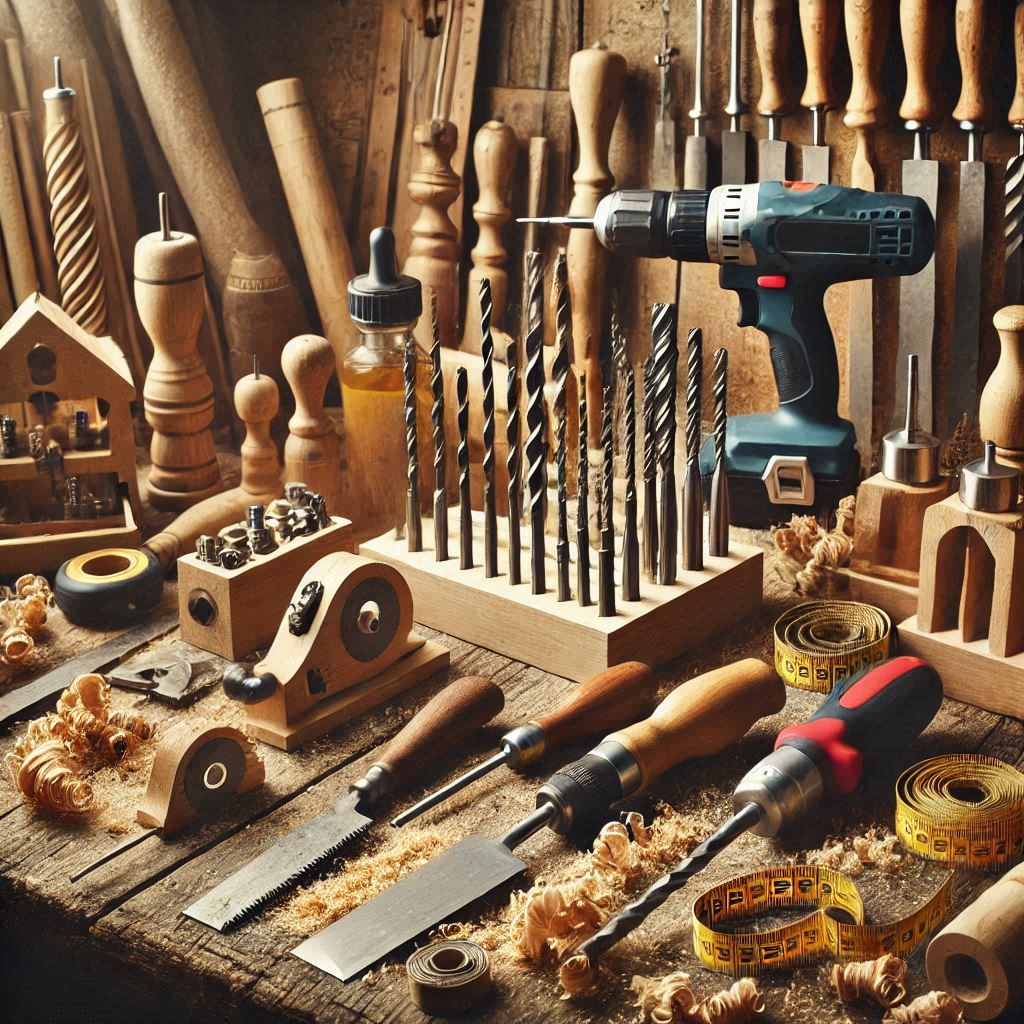
Hardwood vs softwood drilling. Discover advanced drilling techniques for hardwoods and softwoods to enhance your woodworking projects and craftsmanship.
Hardwood vs Softwood Drilling: Selecting the appropriate drilling techniques in woodworking is crucial for achieving successful project outcomes. The choice of drilling methods can significantly influence both the structural integrity and aesthetic quality of wooden items. For instance, using the wrong technique while drilling can lead to damaged workpieces or compromised joints that may not hold together over time. Understanding the specific requirements for drilling in different types of wood is essential for anyone looking to master woodworking. Additionally, the importance of selecting the right tools cannot be overstated, as high-quality bits and drills can make a significant difference in performance and results.
The type of wood being drilled—whether hardwood or softwood—plays a pivotal role in determining the choice of drilling methods and tools. Hardwoods, such as oak and maple, typically require more specialized techniques due to their density and grain structure. Conversely, softwoods like pine and cedar are generally easier to drill and can often be approached with simpler methods. Therefore, recognizing the differences in these wood types is foundational for any woodworking project. Knowing how each type of wood behaves during drilling can inform not only the choice of bits but also the speed and pressure applied during the process, which can make or break the success of a project.
Hardwood vs Softwood Drilling: One of the key differences between hardwoods and softwoods is their moisture absorption capabilities. Hardwoods tend to absorb more moisture, which can result in warping if not properly drilled and treated. This characteristic makes it critical to use precise drilling techniques to maintain the wood’s integrity. For example, a carpenter drilling into a hardwood deck must take care to pre-drill holes to prevent splitting, which is less of a concern with softer woods. The risk of warping also necessitates the use of sealants or finishes that can help to mitigate moisture absorption after drilling.
Softwoods, on the other hand, are generally lighter, less dense, and more affordable, making them a popular choice for novice woodworkers. The faster growth rate of softwoods results in a looser grain, which can allow for quicker drilling with less risk of damage. For instance, using standard twist drill bits on softwood can yield satisfactory results without requiring pre-drilling, whereas doing so in hardwoods would likely lead to complications. Moreover, the inherent characteristics of softwoods often make them more forgiving in terms of finishing, allowing for a broader range of applications in furniture and cabinetry.
When drilling into hardwoods, selecting the right drill bit is essential for achieving clean and precise holes. High-speed steel (HSS) bits are recommended due to their durability and effectiveness in resisting heat buildup during use. These bits are well-suited for general hardwood drilling tasks, allowing woodworkers to tackle a variety of projects without frequently changing tools. For particularly hard species of hardwood, cobalt drill bits offer enhanced toughness and heat resistance, making them ideal for more demanding drilling requirements. This makes cobalt bits particularly useful when working with dense hardwoods like hickory or ironwood, where other bits might dull quickly.
Additionally, specialty bits such as brad-point bits are advantageous when working with hardwoods. These bits provide precise entry and exit points, significantly reducing the likelihood of pilot holes and tear-out. For instance, a woodworker using a brad-point bit on a cherry wood project will notice cleaner edges compared to using a standard twist bit, which may cause more damage to the wood fibers. Furthermore, brad-point bits are designed with a pointed tip that helps in aligning the bit accurately, ensuring that the holes are drilled exactly where needed without causing additional stress to the surrounding wood.
For drilling into softwoods, standard twist drill bits are often the best choice due to their versatility and ability to penetrate the material with minimal effort. This type of bit allows for quick drilling without the need for excessive force, which is beneficial for softer materials. Additionally, counterbore bits are useful for creating recessed holes in softwoods, providing a clean finish for screw heads and ensuring that they sit flush with the wood surface. This is particularly useful in projects where aesthetics are important, such as cabinetry or decorative woodworking.
Forstner bits also serve as an excellent option for softwoods, particularly when needing to create flat-bottomed holes with minimal tear-out. These bits are designed to drill smooth, accurate holes, making them perfect for applications where appearance matters. For example, a furniture maker might use a Forstner bit to create holes for dowels in a pine tabletop, ensuring a clean and professional finish. The ability of Forstner bits to create larger diameter holes without the risk of splitting is particularly beneficial when assembling joints in softwood furniture, making them a staple in many woodshops.
Drilling pilot holes is a vital practice when working with both hardwoods and softwoods, but it is especially critical for hardwoods. The denser nature of hardwoods makes them more prone to splitting, particularly near edges where the grain is more tightly packed. By pre-drilling pilot holes, woodworkers can prevent damage and ensure a cleaner finish. For example, when building a hardwood deck, using pilot holes before driving screws can make the difference between a secure installation and a cracked board. Additionally, the use of pilot holes can help to align screws more accurately, leading to stronger joints.
Moreover, correctly sized pilot holes can enhance the longevity of screws by reducing the risk of stripping during installation. This practice not only improves the strength of the joint but also aids in achieving a uniform appearance across multiple pieces. Using a drill press for pilot holes can further enhance accuracy, providing consistent results that are crucial in professional woodworking settings. Furthermore, understanding the specific dimensions required for pilot holes in relation to screw size and type can significantly impact the overall quality of the completed project.
Preventing splintering when drilling into hardwood is crucial for maintaining the quality of the finish. One effective technique is to drill at a slight angle initially, which can help minimize splintering when transitioning to the final vertical angle. This approach allows the bit to engage the wood more gently, reducing the impact force that can lead to tearing. A practical example of this technique can be seen in cabinetry work, where the delicate nature of the wood requires finesse to avoid chipping.
Additionally, using a slow and steady drilling motion can further mitigate the risk of splintering, especially in more brittle hardwoods. Regularly sharpening drill bits also contributes to cleaner cuts, as sharp bits cut through the wood fibers more effectively, reducing tearing and splintering. For example, a woodworker who takes the time to sharpen their bits before starting a project on oak will likely achieve a much cleaner result than if they were to use dull bits. Furthermore, employing a backer board when drilling can also help to prevent tear-out by providing support to the wood during the drilling process.
The optimal drilling speed varies between hardwoods and softwoods, and adjusting the feed rate based on the type of bit used is essential for maintaining control and achieving the desired results. Generally, slower speeds are advisable for larger bits, particularly when drilling hardwoods, to prevent overheating and to maintain drilling accuracy. A drill press can provide consistent speed and pressure, which is especially beneficial when working with dense hardwoods. For instance, using a drill press to bore holes for dowels in a hardwood project can result in greater accuracy than hand drilling, leading to better-fitting joints.
Monitoring the temperature of the bit during the drilling process is also important, as excessive heat can damage the bit and the wood. For example, when drilling a large hole in maple, it’s crucial to take breaks to allow the bit to cool down, preventing any potential warping of the wood due to heat exposure. Additionally, understanding the specific characteristics of each wood type can inform adjustments to drilling speeds; softer woods may require faster speeds, whereas denser hardwoods necessitate slower, more controlled drilling.
Drilling into veneered surfaces requires careful techniques to avoid damaging the veneer layer. Maintaining a stable drilling platform is essential to prevent movement, ensuring accurate hole placement. For instance, using clamps to secure the workpiece can minimize vibrations that might cause chipping. This is especially important when working with delicate veneers, where even slight movements can lead to significant damage.
Employing a vacuum system to remove debris while drilling can also enhance visibility and reduce the risk of damage to the veneer. Moreover, experimenting with different bit coatings, such as titanium aluminum nitride (TiAlN), can significantly improve performance and extend the lifespan of drill bits when working with veneered materials. Using coated bits in veneered projects can also minimize friction, reducing heat buildup and the likelihood of damaging the veneer. Additionally, selecting the appropriate speed and pressure for drilling into veneer is crucial, as too much force can lead to tear-out, compromising the appearance of the finished project.
Safety should always be a priority when drilling into any type of wood. Using push sticks or clamps can help keep fingers away from the drill bit during operation, minimizing the risk of injury. Ensuring proper ventilation is also crucial, especially when drilling certain materials that may produce harmful dust particles. For instance, hardwoods can generate fine dust that may pose respiratory hazards, making it essential to use appropriate personal protective equipment.
Conducting a pre-drill checklist can help identify potential hazards before starting work, ensuring a safer working environment. For example, checking that all tools are in good condition and that the workspace is clean can prevent accidents. Wearing appropriate safety gear, such as goggles and dust masks, can further enhance safety during drilling operations. Moreover, ensuring that the drill is properly secured and that the workpiece is stable can prevent unexpected movements that could lead to injuries.
Mastering advanced drilling techniques is essential for success in woodworking projects. Continuous learning and skill development allow woodworkers to refine their abilities and tackle increasingly complex projects. Experimenting with various methods and tools is encouraged, as this can lead to discovering the best practices tailored to individual projects.
Ultimately, understanding the differences between drilling in hardwoods and softwoods, as well as employing the right techniques and safety practices, can significantly improve craftsmanship and project outcomes. By investing time and effort into mastering these skills, woodworkers can elevate their work to new heights and enjoy the satisfaction of producing high-quality wooden creations.
You cannot copy content of this page