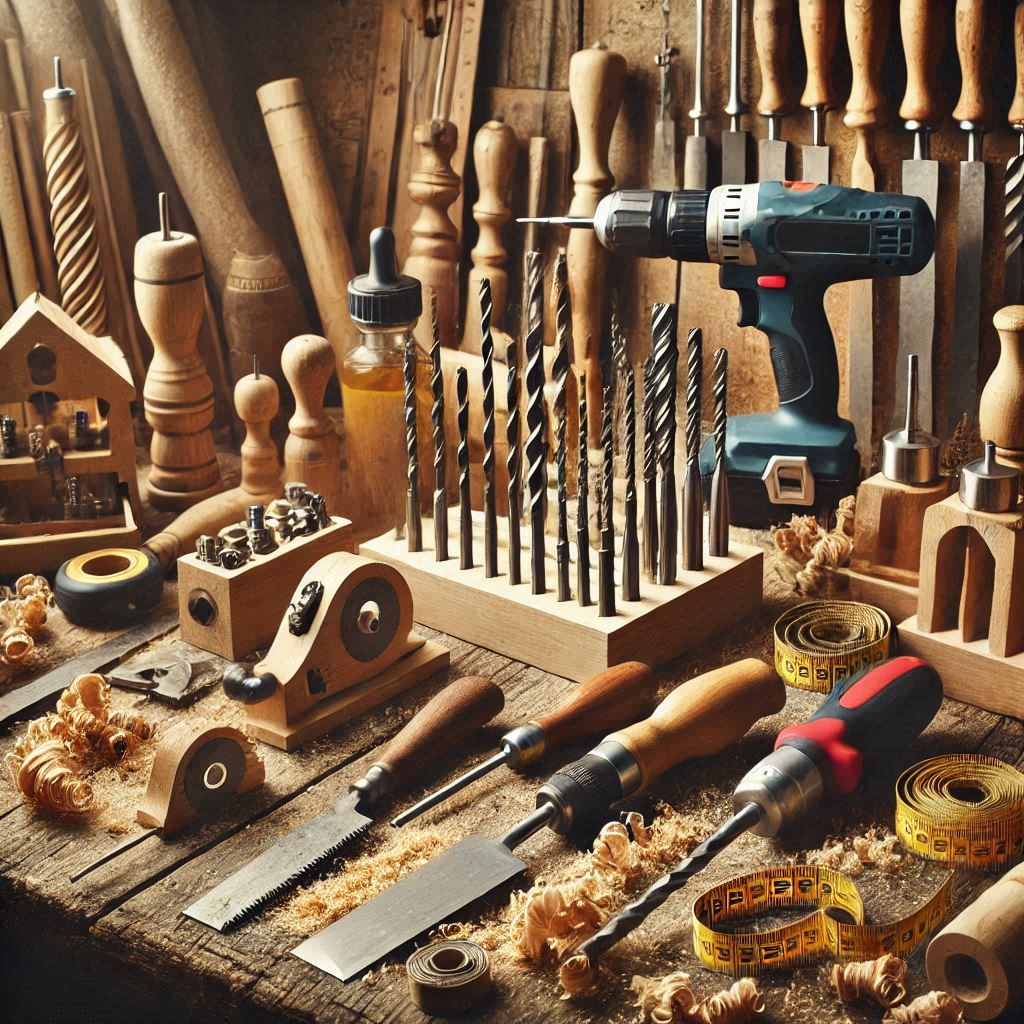
Types Of Woodworking Drill Bits

Mastering Woodworking: A Comprehensive Guide to Choosing and Using Drill Bits

Types Of Woodworking Drill Bits. The essential guide to woodworking drill bits, including types, selection tips, maintenance, and safety for successful woodworking projects.

Types Of Woodworking Drill Bits

Overview of Woodworking Drill Bits and Their Importance

Woodworking drill bits are specialized tools designed specifically for enhancing precision and efficiency in various woodworking tasks. These bits play a crucial role in drilling holes of different sizes and shapes in wood, enabling craftsmen to create intricate designs and sturdy joints with ease. For instance, when constructing a piece of furniture, using the correct drill bit can mean the difference between a strong, durable joint and a weak, unstable one. The right bit ensures that the wood is not splintered, allowing for a clean and professional finish.

The selection of the appropriate drill bit can significantly impact the quality of the woodworking outcome. Using the wrong type of bit may lead to poor fit, splintering, or even damage to the material. Understanding the various features of different drill bits, such as tip design, shank type, and material composition, is essential for selecting the most suitable option for specific tasks. For example, a brad point drill bit, with its pointed tip, allows for precise entry into the wood, making it ideal for detailed work. Additionally, employing the correct drill bit can reduce wear on tools, enhance project efficiency, and ensure a higher level of craftsmanship throughout the woodworking process.

Types Of Woodworking Drill Bits Types of Woodworking Drill Bits

Types Of Woodworking Drill Bits. There is a wide array of woodworking drill bits, each engineered for distinct tasks and applications. Brad point drill bits are characterized by their sharp, pointed tips that allow for accurate hole placement, making them perfect for fine woodworking projects where precision is critical. An example of this would be drilling holes for dowels in a cabinet assembly, where misalignment could lead to structural issues. Twist drill bits offer versatility and can be employed for general drilling in both softwood and hardwood, making them a staple for many woodworkers.

Forstner bits are specifically designed for creating flat-bottomed holes, which are ideal when a clean and precise hole is required, such as for installing concealed hinges or creating pocket holes. Spade drill bits, on the other hand, are used for larger holes and excel at quickly removing material in softer woods, making them suitable for rough framing or creating large openings for plumbing. Countersink drill bits serve the essential purpose of creating a conical hole that accommodates the head of a screw, ensuring a flush finish on the surface, which is particularly important in decorative woodworking projects. Understanding the differences and specific applications of each type allows woodworkers to select the most effective bit for their needs.

Choosing the Right Drill Bit for Wood

Selecting the right drill bit for a specific woodworking project largely depends on the type of wood being used. Hardwoods typically require sharper and more durable bits, such as carbide-tipped options, to effectively penetrate denser materials. For example, when working with hardwoods like oak or maple, a high-quality carbide bit will make the drilling process smoother and more efficient, minimizing the risk of chipping or splitting. Conversely, softwoods can often be drilled with standard steel bits, as these materials are less dense, making them easier to penetrate.

Project requirements must also be considered when choosing a drill bit, including factors such as hole depth and width. For instance, if a project requires deep holes for dowel joints, a longer bit may be necessary to achieve the desired depth. Additionally, the condition of the wood—whether it is seasoned, fresh, or reclaimed—can influence the type of drill bit that will work best. Freshly cut wood may have a higher moisture content, which can affect the drilling process and lead to different bit performance. Ultimately, understanding the wood’s characteristics and the specific project requirements will aid woodworkers in selecting the most effective drill bits.

Types Of Woodworking Drill Bits Drill Bit Sizes for Woodworking

The size of drill bits is a critical consideration in woodworking, as it influences the outcome of the project. Common drill bit sizes for woodworking typically range from 1/16 inch to 1 inch, accommodating an extensive variety of project needs. For example, a 1/4 inch bit may be perfectly suited for drilling small dowel holes, while larger projects may necessitate a 3/4 inch bit for shelf supports. Extended sizes, such as 10-inch long brad point bits, are available for deeper drilling requirements, allowing woodworkers to tackle projects that involve thick materials or multilayer assemblies.

Drill bit sets often come with a range of sizes, providing versatility that can be particularly beneficial for both hobbyists and professionals alike. These sets typically include bits of varying diameters, which allows the user to select the appropriate size based on specific project needs. The diameter of the drill bit can significantly affect the strength of the joint in woodworking, thus requiring careful selection to ensure that the joint can withstand the intended load. Having access to a wide array of sizes not only enhances a woodworker’s capability but also increases the likelihood of achieving high-quality results in their projects.

Maintenance of Drill Bits

Proper maintenance of drill bits is crucial for extending their lifespan and ensuring optimal performance throughout their use. Regular cleaning of drill bits after each session can prevent resin build-up, which can hinder their effectiveness in future projects. For instance, a simple wipe with a cloth after drilling can remove wood chips and sticky residue that accumulate during use. Furthermore, resharpening high-speed steel (HSS) or carbide bits can significantly extend their usability, allowing woodworkers to maintain their tools in peak condition. Techniques such as using a specialized sharpening tool or taking bits to a professional sharpener can ensure that they remain effective.

Storage practices also play a vital role in the longevity of drill bits. Proper storage in a dedicated case or holder prevents damage and reduces the likelihood of bits dulling when not in use. For example, a foam-lined case can protect bits from physical impact and environmental factors that could cause rust or corrosion. Additionally, lubricating drill bits occasionally can help reduce heat buildup and wear during extended use, further enhancing their lifespan and performance. By implementing these maintenance practices, woodworkers can ensure that their drill bits are always ready for action and perform at their best.

Safety Precautions When Using Drill Bits

Safety should always be a top priority when using drill bits in woodworking projects. Wearing safety goggles is essential to protect your eyes from wood chips and debris that can become airborne during the drilling process. For example, when drilling into hard materials, the risk of flying debris increases, making eye protection critical. Securing the workpiece properly is also vital to prevent movement while drilling, which reduces the risk of accidents. Utilizing clamps or vises to hold the material firmly ensures stability during the drilling process, allowing for both safety and accuracy.

Before using any drill, it is essential to ensure that the drill is in good working order and that bits are correctly installed. This practice helps prevent malfunctions that could lead to injury. Additionally, woodworkers should maintain a clean and organized workspace to minimize hazards and distractions during the drilling process. Understanding and following safety procedures not only protects the woodworker but also contributes to a more efficient and enjoyable experience in the workshop. By adhering to these safety practices, woodworkers can focus on their craft with confidence.

Specialty Drill Bits

Specialty drill bits are specifically designed for unique applications in woodworking, providing woodworkers with tools tailored to meet various challenges. Auger drill bits, for instance, are ideal for deep hole drilling in wood, designed to remove maximum material efficiently and create clean holes. This type of bit is particularly beneficial when installing hardware or creating dowel joints in thick materials. Bell hanger drill bits can reach lengths of up to 24 inches, allowing for unique applications like running wires through walls, making them invaluable for those integrating electrical work into their woodworking projects.

Self-feed drill bits are designed for fast drilling in wood, automatically pulling themselves into the material, which reduces the physical effort required from the user. This feature can be especially useful in large-scale projects where efficiency is critical. Tapered drill bits are another specialty option, useful for creating holes that require a gradual widening, often employed in furniture making to ensure precise fits for dowels or other joinery methods. Understanding and utilizing these specialty bits allows woodworkers to tackle unique tasks effectively, enhancing both the quality and efficiency of their work.

Drill Bit Materials

The materials used to manufacture woodworking drill bits significantly influence their performance, durability, and suitability for various applications. High-speed steel (HSS) drill bits are known for their durability and versatility, making them suitable for a wide range of woodworking tasks. They are particularly effective for general drilling in both softwood and hardwood. Carbide-tipped drill bits are recommended for tougher materials and prolonged use, offering superior longevity compared to their standard steel counterparts. For example, when working with dense hardwoods, a carbide-tipped bit will outperform standard steel bits, ensuring clean and efficient drilling.

Titanium-coated bits are another valuable option, as they reduce friction and heat during the drilling process, enhancing overall performance and lifespan. Steel bits with a black oxide finish provide corrosion resistance, making them ideal for various woodworking applications, particularly in environments where moisture exposure is a concern. Selecting the right material for drill bits is essential, as it can lead to improved results, longer tool life, and ultimately a more satisfying woodworking experience.

Drill Bit Applications in Woodworking Projects

Drill bits have numerous applications in woodworking projects, ranging from furniture making to cabinetry and decorative woodworking. The choice of drill bit can profoundly affect the finishing and overall quality of the projects. For example, Forstner bits are known for creating cleaner holes compared to spade bits, which may leave rough edges that require additional sanding and finishing. This quality is especially important when drilling holes for hardware, where appearance matters. Specific bit types, such as countersink bits, are essential for screw installations, ensuring a seamless appearance on finished surfaces and contributing to the overall aesthetic of the project.

The versatility of drill bits also extends to accommodating various joinery techniques, which can impact the structural integrity and design of the final product. For instance, using a brad point bit for precise dowel placement ensures a tight and secure fit, while the use of larger bits for mortise and tenon joints can enhance the strength of connections in furniture making. Understanding the appropriate applications for each drill bit type enables woodworkers to produce high-quality results, allowing them to showcase their craftsmanship and creativity effectively.

Final Thoughts on Selecting and Using Woodworking Drill Bits

Gaining a comprehensive understanding of the various types and uses of woodworking drill bits is vital for achieving high-quality results in woodworking projects. Knowledge of drill bit features, applications, and maintenance practices can significantly enhance the woodworking experience, ensuring that projects are completed efficiently and effectively. Proper maintenance and safety practices are essential, as they not only enhance the lifespan of drill bits but also contribute to a safer and more enjoyable working environment.

Staying informed about the latest developments in drill bit technology, including materials and design innovations, can lead to improved efficiency and creativity in woodworking. This ongoing education allows woodworkers to adapt to new challenges and demands in their craft, ultimately elevating the quality of their work and expanding their skill set. By investing time in learning about drill bits and their applications, woodworkers can ensure that their projects are successful and fulfilling, leading to a more rewarding woodworking journey.


Impact Of Wood Grain On Drilling

Mastering Wood Grain: The Key to Choosing the Perfect Drill Bit

Impact Of Wood Grain On Drilling: Discover how wood grain influences drill bit selection for optimal woodworking results.

white and brown wooden panels

Understanding the Impact of Wood Grain on Drill Bit Selection

Wood grain significantly influences the choice of drill bits, affecting performance and outcomes in woodworking projects. Each type of wood grain can lead to varying levels of resistance during drilling. For instance, when drilling into a piece of oak, which is known for its dense and complex grain structure, a woodworker might find that a sharp brad point bit performs significantly better than a standard twist drill bit. The brad point bit’s design allows it to cut cleanly through the fibers, thus minimizing tear-out and ensuring a precise hole.

Different wood species exhibit distinct grain patterns, which can complicate the drilling process. Familiarity with these patterns equips woodworkers to anticipate challenges they may face during drilling. For example, drilling across the grain of cherry wood can result in splintering, necessitating the selection of specialized bits designed to handle such scenarios. By understanding the characteristics and behaviors of various wood grains, woodworkers can make more informed choices about their drill bits, leading to improved results in their projects.

Impact Of Wood Grain On Drilling Types of Wood Grains

Impact Of Wood Grain On Drilling

Hardwoods and softwoods differ in grain structure and density, which significantly impacts drill bit selection. Common hardwoods like maple, cherry, and walnut have tighter grain patterns that require precise bits for effective drilling. On the other hand, softwoods such as pine and cedar, with their looser grain, may be more forgiving when it comes to drilling. For example, using a brad point bit on a piece of maple allows for cleaner entry due to its ability to score the wood fibers before cutting, thereby reducing the risk of damage.

Moreover, the variety of grain patterns within each wood type adds another layer of complexity. Curly or figured grains can present unique challenges, affecting how drill bits interact with the material. The moisture content of the wood can also alter the drilling dynamics, with higher moisture levels leading to increased resistance and potential issues such as binding or burning. Woodworkers must take these factors into account when selecting their drill bits, as the interplay between wood grain and drill bit design can greatly influence the success of a project.

Impact of Grain Direction on Drilling Performance

The direction of wood grain has a major impact on drilling performance, as drilling parallel to the grain typically requires less force than drilling across it. Research indicates that feeding resistance can decrease by as much as 40% when switching from longitudinal to tangential drilling. For example, when drilling a hole in a piece of soft maple, a woodworker will find that drilling with the grain allows for a smoother entry and minimizes the risk of splintering. Conversely, drilling against the grain can lead to tear-out and uneven holes, which can significantly compromise the quality of the work.

Understanding grain direction is not just about efficiency; it’s also about achieving quality results. For instance, if a woodworker is drilling a series of holes in a cherry wood project, aligning the drill bit parallel to the grain can ensure clean holes with little to no splintering. This understanding also aids in selecting specialized drill bits, which can provide additional support by reducing the chances of damaging the wood. Therefore, recognizing the importance of grain direction can greatly enhance the overall drilling experience and result in superior project outcomes.

Recommended Drill Bit Types for Wood

When selecting the appropriate drill bit for woodworking, different types are better suited for various wood grains. Brad point drill bits, for example, are particularly effective for achieving clean, precise holes in hardwoods due to their sharp centering tips and outlining spurs. This design minimizes tear-out and produces a smooth hole, making them an ideal choice for projects requiring high precision, such as cabinetry or fine furniture.

Twist drill bits are versatile and can be used for a variety of tasks, but they may not provide the same level of precision as brad point bits when working with hardwoods. For creating flat-bottomed holes, Forstner bits excel, as they can handle various wood grains effectively while providing a clean finish. Spade bits, suited for larger holes, may produce rougher edges, underscoring the need to choose drill bits based on the specific requirements of the project. By assessing the wood type and the desired outcome, woodworkers can select the most appropriate drill bit, ultimately improving the efficiency and effectiveness of their work.

Impact Of Wood Grain On Drilling Importance of Drill Bit Sharpness

The sharpness of drill bits plays a critical role in the drilling process in wood. Dull bits can lead to excessive heat generation, smoke, and reduced drilling accuracy. Regular maintenance, including sharpening, is essential to enhance drilling efficiency and prolong the life of the bits. Sharp drill bits facilitate cleaner cuts and reduce the likelihood of chipping or tearing the wood grain, which is particularly important in finer woodworking tasks.

Using dull bits not only affects the quality of the hole but can also significantly increase drilling time, as more force is required to penetrate the material. For instance, if a woodworker is using a dull drill bit to bore into hardwood, they may experience difficulties that could lead to frustration or even damage to the workpiece. Thus, prioritizing the maintenance and sharpening of drill bits is essential for optimal performance and to ensure high-quality results in woodworking projects.

Impact Of Wood Grain On Drilling Materials Used for Drill Bits

The materials from which drill bits are made are critical considerations for woodworking applications. High-speed steel (HSS) drill bits are commonly used due to their versatility and effectiveness in wood drilling tasks. However, for tougher wood types, carbide-tipped drill bits offer superior durability and performance, making them a preferred choice for more challenging projects. For example, when drilling through dense hardwoods like hickory, carbide-tipped bits maintain their edge longer and can handle the rigors of such materials more effectively.

Titanium-coated bits enhance longevity and reduce friction, which is particularly beneficial when drilling through harder woods. These coatings can also help to prevent rust and corrosion, extending the lifespan of the drill bits. Specialty bits made from cobalt are also advantageous, as they maintain sharpness longer and are ideal for hardwood applications. Understanding the properties and benefits of various drill bit materials can assist woodworkers in making informed decisions that align with their project requirements and enhance their overall efficiency.

Drill Bit Sizes and Interference Fit

Determining the correct drill bit size is crucial for achieving an interference fit, particularly when doweling. For example, a 3/8″ dowel typically requires a slightly smaller drill bit due to discrepancies in actual sizes. Accurate measurement of the drill bit diameters becomes vital in ensuring proper fit and function, as variations among different manufacturers can lead to inconsistencies. For instance, a 3/8″ carbide Forstner bit may measure slightly larger than its nominal size, necessitating adjustments in the drilling process.

Adjusting the bit size based on the type of wood is also essential; using a bit that is too large can result in splitting or cracking during the drilling process. If a woodworker is unaware of these nuances, they may inadvertently compromise the integrity of their workpiece. Therefore, diligence in measuring and selecting the right drill bit size is crucial to avoid complications and ensure successful project outcomes. Utilizing tools like digital calipers can provide more accurate measurements, helping woodworkers achieve the desired fit and finish in their woodworking projects.

Drill Bit Angles and Their Effects

The angle of the drill bit can significantly influence its effectiveness when drilling through wood. Sharper angles tend to provide better penetration and cutting efficiency. For example, brad point bits are designed with a centering tip and a specific angle that prevents slippage and enhances accuracy in drilling. This design is particularly beneficial when working with hardwoods, where precision is paramount, ensuring that the bit remains stable as it begins to penetrate the material.

Different angles on twist drill bits also affect material removal efficiency. A standard 118-degree angle is common for general-purpose drilling, while specialized angles may be required for specific applications. For instance, a 135-degree split point drill bit is ideal for drilling into hard materials as it reduces walking and enhances accuracy. Understanding the implications of drill bit angles allows woodworkers to select the most effective tools for their projects, optimizing both performance and results.

Impact Of Wood Grain On Drilling

Tips for Effective Wood Drilling

To achieve better drilling accuracy and efficiency in woodworking, several tips can be beneficial. Using pilot holes is a common practice that helps guide larger bits, maintaining hole dimension accuracy. This technique not only improves precision but also minimizes the risk of splitting the wood, especially in delicate or brittle species. Gradually increasing drill sizes can prevent compromising the quality of the holes, ensuring a clean finish throughout the drilling process.

Maintaining a steady speed during drilling is crucial, as it helps prevent overheating and preserves bit sharpness. If the drill bit heats up excessively, it can lead to premature dulling and may even damage the wood fibers. Additionally, testing on scrap wood can offer valuable insights into the best techniques and bit types for specific projects, enabling woodworkers to refine their approach and achieve optimal results. By implementing these techniques, woodworkers can enhance their efficiency, improve the quality of their work, and ultimately achieve more satisfying project outcomes.

The Role of Drill Bit Coatings

Drill bit coatings, such as titanium or black oxide, significantly enhance the performance of bits when drilling into wood. These coatings reduce friction and improve heat resistance, which is particularly beneficial in harder wood types. For example, titanium-coated bits often maintain their sharpness longer and provide smoother cuts, making them suitable for various woodworking applications. The ability of these coatings to withstand heat and wear means that woodworkers can work more efficiently without frequently stopping to sharpen or replace their bits.

The choice of coating may also influence the bit’s performance in different wood species and moisture conditions. Certain coatings can help prevent rust and corrosion, extending the lifespan of the drill bits and ensuring consistent performance over time. Furthermore, the right coating can enhance chip removal and reduce the likelihood of bit binding, which is crucial when working with dense or resinous woods. Understanding the impact of drill bit coatings can empower woodworkers to select the most appropriate tools for their specific projects, ultimately leading to better craftsmanship and improved results.

Final Thoughts on Wood Grain and Drill Bit Selection

Selecting the right drill bit based on wood grain characteristics is essential for optimizing performance and quality in woodworking projects. Knowledge of different types of drill bits, their materials, and how they interact with various wood grains will significantly enhance a woodworker’s craftsmanship. Continuous learning about wood properties and drilling techniques can lead to improved project outcomes and greater satisfaction in woodworking endeavors. As woodworkers gain experience and refine their skills, they will develop a deeper understanding of how wood grain affects drill bit selection, enabling them to tackle increasingly complex projects with confidence and precision.

Hardwood vs Softwood Drilling

Drilling Deep: Mastering Advanced Techniques for Hardwoods and Softwoods

Hardwood vs softwood drilling. Discover advanced drilling techniques for hardwoods and softwoods to enhance your woodworking projects and craftsmanship.

 Hardwood vs softwood drilling. Discover advanced drilling techniques for hardwoods and softwoods to enhance your woodworking projects and craftsmanship.
Hardwood vs softwood drilling


Hardwood vs Softwood Drilling Introduction to Drilling Techniques in Woodworking

Hardwood vs Softwood Drilling: Selecting the appropriate drilling techniques in woodworking is crucial for achieving successful project outcomes. The choice of drilling methods can significantly influence both the structural integrity and aesthetic quality of wooden items. For instance, using the wrong technique while drilling can lead to damaged workpieces or compromised joints that may not hold together over time. Understanding the specific requirements for drilling in different types of wood is essential for anyone looking to master woodworking. Additionally, the importance of selecting the right tools cannot be overstated, as high-quality bits and drills can make a significant difference in performance and results.

The type of wood being drilled—whether hardwood or softwood—plays a pivotal role in determining the choice of drilling methods and tools. Hardwoods, such as oak and maple, typically require more specialized techniques due to their density and grain structure. Conversely, softwoods like pine and cedar are generally easier to drill and can often be approached with simpler methods. Therefore, recognizing the differences in these wood types is foundational for any woodworking project. Knowing how each type of wood behaves during drilling can inform not only the choice of bits but also the speed and pressure applied during the process, which can make or break the success of a project.


Understanding Hardwoods vs. Softwoods

Hardwood vs Softwood Drilling: One of the key differences between hardwoods and softwoods is their moisture absorption capabilities. Hardwoods tend to absorb more moisture, which can result in warping if not properly drilled and treated. This characteristic makes it critical to use precise drilling techniques to maintain the wood’s integrity. For example, a carpenter drilling into a hardwood deck must take care to pre-drill holes to prevent splitting, which is less of a concern with softer woods. The risk of warping also necessitates the use of sealants or finishes that can help to mitigate moisture absorption after drilling.

Softwoods, on the other hand, are generally lighter, less dense, and more affordable, making them a popular choice for novice woodworkers. The faster growth rate of softwoods results in a looser grain, which can allow for quicker drilling with less risk of damage. For instance, using standard twist drill bits on softwood can yield satisfactory results without requiring pre-drilling, whereas doing so in hardwoods would likely lead to complications. Moreover, the inherent characteristics of softwoods often make them more forgiving in terms of finishing, allowing for a broader range of applications in furniture and cabinetry.

Recommended Drill Bits for Hardwoods

When drilling into hardwoods, selecting the right drill bit is essential for achieving clean and precise holes. High-speed steel (HSS) bits are recommended due to their durability and effectiveness in resisting heat buildup during use. These bits are well-suited for general hardwood drilling tasks, allowing woodworkers to tackle a variety of projects without frequently changing tools. For particularly hard species of hardwood, cobalt drill bits offer enhanced toughness and heat resistance, making them ideal for more demanding drilling requirements. This makes cobalt bits particularly useful when working with dense hardwoods like hickory or ironwood, where other bits might dull quickly.

Additionally, specialty bits such as brad-point bits are advantageous when working with hardwoods. These bits provide precise entry and exit points, significantly reducing the likelihood of pilot holes and tear-out. For instance, a woodworker using a brad-point bit on a cherry wood project will notice cleaner edges compared to using a standard twist bit, which may cause more damage to the wood fibers. Furthermore, brad-point bits are designed with a pointed tip that helps in aligning the bit accurately, ensuring that the holes are drilled exactly where needed without causing additional stress to the surrounding wood.

Recommended Drill Bits for Softwoods

For drilling into softwoods, standard twist drill bits are often the best choice due to their versatility and ability to penetrate the material with minimal effort. This type of bit allows for quick drilling without the need for excessive force, which is beneficial for softer materials. Additionally, counterbore bits are useful for creating recessed holes in softwoods, providing a clean finish for screw heads and ensuring that they sit flush with the wood surface. This is particularly useful in projects where aesthetics are important, such as cabinetry or decorative woodworking.

Forstner bits also serve as an excellent option for softwoods, particularly when needing to create flat-bottomed holes with minimal tear-out. These bits are designed to drill smooth, accurate holes, making them perfect for applications where appearance matters. For example, a furniture maker might use a Forstner bit to create holes for dowels in a pine tabletop, ensuring a clean and professional finish. The ability of Forstner bits to create larger diameter holes without the risk of splitting is particularly beneficial when assembling joints in softwood furniture, making them a staple in many woodshops.

Importance of Pilot Holes

Drilling pilot holes is a vital practice when working with both hardwoods and softwoods, but it is especially critical for hardwoods. The denser nature of hardwoods makes them more prone to splitting, particularly near edges where the grain is more tightly packed. By pre-drilling pilot holes, woodworkers can prevent damage and ensure a cleaner finish. For example, when building a hardwood deck, using pilot holes before driving screws can make the difference between a secure installation and a cracked board. Additionally, the use of pilot holes can help to align screws more accurately, leading to stronger joints.

Moreover, correctly sized pilot holes can enhance the longevity of screws by reducing the risk of stripping during installation. This practice not only improves the strength of the joint but also aids in achieving a uniform appearance across multiple pieces. Using a drill press for pilot holes can further enhance accuracy, providing consistent results that are crucial in professional woodworking settings. Furthermore, understanding the specific dimensions required for pilot holes in relation to screw size and type can significantly impact the overall quality of the completed project.

Hardwood vs Softwood Drilling Techniques to Prevent Splintering

Preventing splintering when drilling into hardwood is crucial for maintaining the quality of the finish. One effective technique is to drill at a slight angle initially, which can help minimize splintering when transitioning to the final vertical angle. This approach allows the bit to engage the wood more gently, reducing the impact force that can lead to tearing. A practical example of this technique can be seen in cabinetry work, where the delicate nature of the wood requires finesse to avoid chipping.

Additionally, using a slow and steady drilling motion can further mitigate the risk of splintering, especially in more brittle hardwoods. Regularly sharpening drill bits also contributes to cleaner cuts, as sharp bits cut through the wood fibers more effectively, reducing tearing and splintering. For example, a woodworker who takes the time to sharpen their bits before starting a project on oak will likely achieve a much cleaner result than if they were to use dull bits. Furthermore, employing a backer board when drilling can also help to prevent tear-out by providing support to the wood during the drilling process.

Hardwood vs Softwood Drilling Optimal Drilling Speeds and Feeds

The optimal drilling speed varies between hardwoods and softwoods, and adjusting the feed rate based on the type of bit used is essential for maintaining control and achieving the desired results. Generally, slower speeds are advisable for larger bits, particularly when drilling hardwoods, to prevent overheating and to maintain drilling accuracy. A drill press can provide consistent speed and pressure, which is especially beneficial when working with dense hardwoods. For instance, using a drill press to bore holes for dowels in a hardwood project can result in greater accuracy than hand drilling, leading to better-fitting joints.

Monitoring the temperature of the bit during the drilling process is also important, as excessive heat can damage the bit and the wood. For example, when drilling a large hole in maple, it’s crucial to take breaks to allow the bit to cool down, preventing any potential warping of the wood due to heat exposure. Additionally, understanding the specific characteristics of each wood type can inform adjustments to drilling speeds; softer woods may require faster speeds, whereas denser hardwoods necessitate slower, more controlled drilling.

Advanced Techniques for Veneered Surfaces

Drilling into veneered surfaces requires careful techniques to avoid damaging the veneer layer. Maintaining a stable drilling platform is essential to prevent movement, ensuring accurate hole placement. For instance, using clamps to secure the workpiece can minimize vibrations that might cause chipping. This is especially important when working with delicate veneers, where even slight movements can lead to significant damage.

Employing a vacuum system to remove debris while drilling can also enhance visibility and reduce the risk of damage to the veneer. Moreover, experimenting with different bit coatings, such as titanium aluminum nitride (TiAlN), can significantly improve performance and extend the lifespan of drill bits when working with veneered materials. Using coated bits in veneered projects can also minimize friction, reducing heat buildup and the likelihood of damaging the veneer. Additionally, selecting the appropriate speed and pressure for drilling into veneer is crucial, as too much force can lead to tear-out, compromising the appearance of the finished project.

Safety Precautions When Drilling

Safety should always be a priority when drilling into any type of wood. Using push sticks or clamps can help keep fingers away from the drill bit during operation, minimizing the risk of injury. Ensuring proper ventilation is also crucial, especially when drilling certain materials that may produce harmful dust particles. For instance, hardwoods can generate fine dust that may pose respiratory hazards, making it essential to use appropriate personal protective equipment.

Conducting a pre-drill checklist can help identify potential hazards before starting work, ensuring a safer working environment. For example, checking that all tools are in good condition and that the workspace is clean can prevent accidents. Wearing appropriate safety gear, such as goggles and dust masks, can further enhance safety during drilling operations. Moreover, ensuring that the drill is properly secured and that the workpiece is stable can prevent unexpected movements that could lead to injuries.

Conclusion: Mastering Drilling Techniques for Woodworking Success

Mastering advanced drilling techniques is essential for success in woodworking projects. Continuous learning and skill development allow woodworkers to refine their abilities and tackle increasingly complex projects. Experimenting with various methods and tools is encouraged, as this can lead to discovering the best practices tailored to individual projects.

Ultimately, understanding the differences between drilling in hardwoods and softwoods, as well as employing the right techniques and safety practices, can significantly improve craftsmanship and project outcomes. By investing time and effort into mastering these skills, woodworkers can elevate their work to new heights and enjoy the satisfaction of producing high-quality wooden creations.

Woodworking Shop Dust Extractor

Ultimate Guide to Choosing the Best Woodworking Dust Extractor: Reviews and Recommendations

Woodworking Shop Dust Extractor: Discover essential insights and reviews on woodworking dust extractors to enhance your workshops safety and efficiency.

assorted handheld tools in tool rack

Overview of Woodworking Dust Extractors

Woodworking Shop Dust Extractor: Woodworking dust extractors are essential for maintaining a clean and safe workspace by effectively collecting fine dust generated during woodworking activities. These systems are designed to capture various types of dust and debris created during processes such as sanding, cutting, and routing. By implementing an effective dust extraction solution, woodworkers can significantly reduce the amount of harmful particles that circulate in the air, thereby safeguarding their health and enhancing their overall working experience. For example, a well-implemented dust extraction system can capture nearly all the fine dust created by a table saw, which otherwise would linger in the air and settle on surfaces, increasing the risk of respiratory issues.

Effective dust collection systems are critical for meeting health standards and minimizing exposure to harmful fine particles in the air. The Occupational Safety and Health Administration (OSHA) has established permissible exposure limits for wood dust, and failing to adhere to these can lead to serious health repercussions. Investing in a quality dust extractor not only complies with these regulations but also serves as a proactive measure to enhance the longevity of tools by preventing dust buildup that can lead to wear and damage. For instance, a dust extractor can prevent the accumulation of sawdust around a router, which can cause overheating and damage to the motor over time.

Importance of Dust Extraction in Woodworking

Fine wood dust exposure can exceed EPA limits, posing serious health risks such as respiratory issues and allergies. Research indicates that prolonged exposure to wood dust can lead to conditions such as asthma, chronic obstructive pulmonary disease (COPD), and even certain types of cancer. In particular, hardwood dust has been linked to nasal and throat cancers, making effective dust extraction a necessity for woodworkers. Proper dust extraction measures can dramatically reduce airborne dust levels, significantly lowering the risk of these health issues.

Proper dust extraction helps improve air quality in workshops and reduces the likelihood of dust-related accidents. For example, an environment cluttered with dust can lead to slips and falls, posing risks not just to the woodworker but also to anyone else present in the workspace. Furthermore, effective dust control can enhance visibility, allowing for more precise and safer operations. Clean air promotes better focus and productivity, enabling woodworkers to perform tasks more efficiently and with greater accuracy.

Key Features to Look for in a Dust Extractor

When selecting a dust extractor, HEPA filtration is crucial for capturing fine airborne particles, ensuring cleaner air quality. A HEPA filter can trap 99.97% of particles that are 0.3 microns or larger, which is vital for capturing the extremely fine dust generated during woodworking. For example, using a dust extractor equipped with a HEPA filter while sanding can significantly reduce the amount of harmful dust that remains in the air, protecting the woodworker’s respiratory health.

CFM (Cubic Feet per Minute) ratings are another vital aspect to consider, as they indicate suction power; higher ratings generally mean better extraction efficiency. For instance, a dust extractor with a CFM rating of 150 will have a much stronger suction compared to one with a rating of 85, making it more suitable for heavy-duty tasks such as milling or jointing. Additionally, features like tool-activated switches allow the dust extractor to turn on automatically when connected power tools are in use, streamlining the workflow and reducing the need for manual operation.

Another important feature to look for is the size of the collection bag or bin, which affects how often it needs to be emptied. Larger capacities can reduce maintenance frequency, allowing for longer uninterrupted work periods. A well-designed dust extractor might also include indicators for when the bag is full, preventing overflows that can lead to inefficient dust collection and messy workspaces.

Types of Dust Extractors: Portable vs. Stationary

Portable dust extractors are particularly beneficial for hobbyist woodworkers due to their superior filtration and performance compared to traditional wet/dry vacs. These models often come with built-in HEPA filters and are designed to be easily moved around the workshop, making them versatile for various projects. For example, a woodworker might utilize a portable extractor while working on a small project in the garage and then easily transport it to another area for different tasks. This mobility allows woodworkers to maintain a clean workspace regardless of where they are working.

On the other hand, stationary dust extractors typically have higher airflow and are suited for larger shops with multiple machines. These systems often require more installation space but provide more robust performance, making them ideal for professional woodshops where multiple tools are in use simultaneously. For instance, a stationary dust extractor connected to a table saw, jointer, and planer can provide a centralized dust collection system, ensuring that fine dust is captured efficiently across various operations. The choice between portable and stationary models is not only dependent on the user’s needs but also on the size of the workspace and the types of woodworking projects undertaken.

Portability and flexibility are essential for hobbyists who may not have a dedicated woodworking space. Many portable dust extractors are designed with features that enhance their usability on the go, such as built-in storage for hoses and accessories, making them an excellent choice for those who work in various locations or have limited workshop space.

Benefits of Using a Dust Extractor for Health and Safety

Dust extractors significantly reduce airborne dust levels, decreasing the risk of respiratory problems for woodworkers. By effectively capturing dust at the source, these systems help maintain a healthier working atmosphere. For example, using a dust extractor while sanding wood can keep the air in the shop free from harmful particles, thereby reducing the risk of developing chronic respiratory conditions. In contrast, working without adequate dust extraction exposes woodworkers to harmful particles that can lead to long-term health problems.

Using a dust extractor can also lower the risk of fire hazards caused by dust accumulation in the workshop. Dust can be highly flammable, and when it gathers in large quantities, it poses a serious fire risk. An effective dust extraction system not only enhances safety but also ensures compliance with OSHA regulations regarding workplace safety. Compliance with these regulations is crucial, as it not only protects the health of the workers but also helps avoid potential legal ramifications for failing to provide a safe working environment.

Moreover, the presence of an efficient dust extraction system can enhance the overall productivity of woodworkers. A cleaner workspace allows for better focus and reduces time spent on cleanup after a project, enabling woodworkers to dedicate more time to their craft rather than to maintenance tasks.

Woodworking Shop Dust Extractor Comparison of Different Types of Dust Extractors

Cyclone dust extractors offer high efficiency but can be bulky and require significant space and installation. They work by using centrifugal force to separate larger particles from the airflow, allowing for more efficient dust collection. However, their size may not be suitable for smaller workshops, where space is at a premium. For instance, a cyclone dust extractor may be impractical for a home garage workshop, whereas a portable model may fit seamlessly into the available space without compromising effectiveness.

Standard shop vacuums are typically cheaper but less effective than dedicated dust extractors and often lack HEPA filtration. They can handle general debris but may struggle with fine dust, leading to poor air quality in the workspace. For example, while a shop vacuum can be suitable for cleaning up large debris, it may not effectively capture the fine particles created during sanding or routing, which can linger in the air and pose health risks.

Some dust extractors come with additional features such as automatic filter cleaning that enhances usability and maintenance. This feature can save time and effort, ensuring that the extractor remains efficient without frequent manual cleaning. The Bosch VAC090AH is a notable example, which offers HEPA compatibility and automatic filter cleaning, making it an excellent choice for those looking for convenience alongside performance. Such features can significantly enhance user experience, especially for those who regularly engage in extensive woodworking projects.

Woodworking Shop Dust Extractor Recommendations for Top-Rated Models

Among the recommended models, the Ridgid 16 Gallon Wet/Dry Vac stands out for its power and durability, making it ideal for heavy-duty projects. Its large capacity allows for extended use without the need to frequently empty the collection bag, which is particularly useful during large jobs such as cabinet making or furniture building. Additionally, it offers the option to upgrade to HEPA filters, further enhancing its dust collection capabilities.

For a more professional option, the Bosch VAC090AH features HEPA compatibility and automatic filter cleaning for convenience. This model is particularly effective for fine dust collection, making it a favorite among serious woodworkers. Users appreciate its efficiency and reliability, especially in environments where dust control is critical.

The Festool CT 36 E is also highly regarded for its features tailored specifically for fine dust collection. Its premium design and superior filtration make it a top choice, although it comes with a higher price tag. This model is particularly favored by professional woodworkers who require advanced features and exceptional performance, such as its quiet operation and effective suction power. Investing in such high-quality models can result in better long-term performance and health benefits, making them worth the initial investment.

Dust Extractor Maintenance Tips

To ensure optimal performance, regularly checking and cleaning filters is essential to maintain suction power and ensure effective dust collection. A clogged filter can significantly reduce the effectiveness of a dust extractor, so maintaining clean filters is a crucial part of ownership. For example, if a filter becomes saturated with dust, the extractor may work harder to achieve the same suction, leading to increased wear and potential motor failure.

Inspecting hoses and connections for clogs or leaks can prevent reduced efficiency. Over time, hoses can become kinked or obstructed by debris, affecting the airflow and suction power of the extractor. Scheduling periodic deep cleaning of the entire dust collection system is also recommended to ensure optimal performance over time. This includes clearing any accumulated dust from the extractor, hoses, and other components, which can help maintain airflow and prolong the life of the equipment.

A proactive maintenance schedule can significantly enhance the lifespan and efficiency of a dust extractor. Keeping a log of maintenance tasks and filter replacements can help users stay organized and ensure that their dust collection system operates at peak efficiency. Regular maintenance not only benefits the equipment but also contributes to a healthier working environment by ensuring that dust is effectively captured and contained.

Budget-Friendly Dust Extractor Options

For those seeking cost-effective alternatives, the Rigid shop vac offers satisfactory performance for small projects without requiring a significant investment. This model provides decent suction power and can be upgraded with HEPA filters to enhance dust collection efficiency at a lower cost. The versatility of the Rigid shop vac makes it suitable for various tasks beyond woodworking, allowing it to serve multiple purposes in a home workshop.

The VacMaster Wet/Dry Vac is another option, known for its lightweight design and high suction power at an affordable price. As a budget-friendly choice, it offers features that make it competitive with more expensive models, such as a high-efficiency filter and a durable collection tank. Many budget models can be upgraded with HEPA filters, allowing users to improve dust collection efficiency without making a large financial commitment. This flexibility makes it easier for hobbyists and casual woodworkers to maintain a healthy working environment without breaking the bank.

It’s worth noting that many budget-friendly options can still deliver excellent performance when used appropriately. Users should carefully evaluate their specific dust collection needs and consider whether investing in additional accessories, such as upgraded filters or separators, can enhance the overall effectiveness of a more economical dust extractor.

Woodworking Shop Dust Extractor Maximizing the Effectiveness of Your Dust Extractor

To maximize the effectiveness of your dust extractor, positioning it close to the source of dust generation minimizes the distance that dust must travel, enhancing efficiency. For example, placing the extractor right next to a table saw will significantly improve dust collection during cuts. This strategic placement not only captures more dust but also reduces the likelihood of it settling on other surfaces, creating a cleaner workspace.

Utilizing proper ducting and hose sizes can further optimize airflow and reduce resistance in the dust collection system. Ensuring that hoses are appropriately sized for the dust extractor and that ductwork is smooth can help maintain high suction power. Combining a dust extractor with a cyclone separator can also enhance dust collection efficiency, especially for larger debris. Cyclone separators can pre-filter larger particles before they reach the dust extractor, allowing it to focus on capturing fine dust which is crucial for maintaining air quality.

Educating oneself on the specific requirements of each tool being used can also improve the effectiveness of dust collection. Different tools produce varying amounts and types of dust, and understanding these differences can help woodworkers choose the right extractor and setup. By optimizing the dust extraction system, woodworkers can ensure a cleaner, safer, and more productive working environment.

Investing in a Quality Dust Extractor for Woodworking

Investing in a quality dust extractor is a worthwhile decision that enhances both safety and efficiency in woodworking projects. A high-quality dust extractor not only captures dust effectively but also improves the overall air quality of the workspace. For example, a woodworker using a Festool CT 36 E can work confidently, knowing that the extractor is efficiently keeping the air clean while they perform detailed tasks.

Selecting the right model can significantly impact the cleanliness of the working environment and the overall health of the woodworker. High-quality dust extractors often come with advanced features such as variable speed control, which allows users to adjust suction power based on the specific requirements of different tasks. Evaluating long-term costs, including maintenance and filter replacements, is essential in determining the best investment. A more expensive model with lower maintenance costs could be more economical in the long run, making it a smart choice for serious woodworkers looking to protect their health and equipment while achieving optimal performance.

Woodworking Shop Dust Extractor: Moreover, investing in a quality dust extractor can lead to increased productivity. A cleaner workspace not only reduces the time spent on cleanup but also allows for more efficient workflow, enabling woodworkers to focus on their craft without unnecessary interruptions. By prioritizing health, safety, and efficiency through a thoughtful investment in dust extraction, woodworkers can create an environment that promotes both quality work and personal well-being.

Woodworking CNC Machine

Unlocking the Power of CNC Machines: A Woodworkers Guide to Precision and Creativity

Woodworking cnc machine: Explore the world of woodworking CNC machines, their benefits, types, and essential tips for maintenance and operation.

Woodworking CNC Machine

Understanding CNC Machines in Woodworking

CNC machines, or Computer Numerical Control machines, are automated tools that use computer programming to execute precise movements for cutting, carving, and milling wood. These machines have revolutionized the woodworking industry by allowing for remarkable accuracy and repeatability, which are essential in producing high-quality wood products. For example, a CNC machine can be programmed to replicate the same intricate design on multiple pieces of wood, ensuring uniformity across a batch of items such as custom furniture or decorative items.

Woodworking CNC Machine: The technology behind CNC machines enhances their versatility as they can perform a wide range of functions—from simple cuts to complex 3D carvings—making them a valuable asset in any woodworking shop. The integration of CAD (Computer-Aided Design) and CAM (Computer-Aided Manufacturing) software allows woodworkers to transition seamlessly from design to production, optimizing their workflow. This capability is particularly useful when designing intricate patterns, such as those needed for elaborate cabinetry or custom shelving units. An example of this is a woodworker using CAD to design a detailed scroll pattern and then employing CAM to create the tool paths required for a CNC router to carve it accurately into the wood.

CNC machines offer a level of precision that is hard to achieve with traditional manual tools. The detailed programming allows for complex designs that can be executed quickly and consistently, making them ideal for both hobbyists and professionals alike. This precision is not only beneficial for aesthetic purposes but also for functional applications, such as ensuring that joints fit snugly in furniture assembly, enhancing the overall structural integrity of the finished product.

Benefits of Using CNC Machines for Woodworking

Utilizing CNC machines in woodworking projects offers numerous benefits, particularly in terms of precision and efficiency. One significant advantage is the increased accuracy of cuts and designs, which leads to professional-quality results and minimizes material waste. For instance, a CNC router can create intricate joinery with exact measurements, ensuring that pieces fit together perfectly in furniture assembly. This precision can save woodworkers both time and money, as reduced waste means fewer materials need to be purchased.

Another key benefit is the automation of repetitive tasks, which allows woodworkers to focus more on design and creativity, significantly boosting productivity. CNC machines can handle complex designs and intricate detailing that may be difficult to replicate by hand, such as custom engravings on cabinetry or decorative inlays. For example, a custom cabinet maker can set up a CNC machine to engrave a unique design into the door fronts, allowing them to complete a large order without sacrificing craftsmanship.

The ability to consistently produce high-quality outputs is invaluable in the woodworking industry, especially for businesses looking to scale their operations. This consistency also simplifies the process of replicating designs for larger projects or commercial production, which can be essential for meeting client demands. Moreover, CNC technology reduces the physical strain on woodworkers, allowing for safer working conditions, as machines handle the heavy lifting and repetitive motions that can lead to injury.

Types of CNC Machines Suitable for Woodworking

Woodworking CNC Machine: There are several types of CNC machines that are particularly well-suited for woodworking, each offering unique capabilities. CNC routers are among the most popular choices, known for their versatility in cutting, engraving, and carving wood. They can handle a variety of materials and are suitable for both hobbyists and professionals. Woodworking CNC Machine :For example, a CNC router can be used to create everything from decorative signs to detailed furniture components, allowing woodworkers to expand their offerings without needing multiple machines.

CNC milling machines, on the other hand, are typically used for more detailed work and can manage harder materials, making them ideal for advanced woodworking projects. They are particularly effective for tasks that require high precision and the ability to create complex shapes. An example would be a cabinetmaker using a CNC milling machine to produce intricate moldings for high-end cabinetry, ensuring that every piece meets exact specifications.

Benchtop CNC machines are another valuable option, providing a compact and affordable solution, particularly beneficial for hobbyists and those with limited workspace. These machines can still perform a wide range of tasks, making them excellent for smaller projects or for those just starting. Additionally, hybrid CNC machines combine features of both routers and milling machines, expanding the range of projects that can be executed. Portable CNC machines also exist, offering flexibility for woodworkers who need to work on-site, such as builders or contractors needing custom trim work for interior installations.

Common Woodworking Projects with CNC Machines

CNC machines are employed in a wide array of woodworking projects, showcasing their versatility and precision. One common application is sign-making, where CNC machines can efficiently produce intricate lettering and designs. This application is not only beneficial for businesses but also for personal projects, such as creating custom decorations for events. For instance, a small business might utilize a CNC machine to produce a series of personalized signs for clients, each displaying unique designs and names.

Furniture making is another area where CNC technology shines, allowing for precise cuts that facilitate complex assembly. For example, a CNC machine can cut out multiple identical chair legs with exact dimensions, ensuring uniformity in production. This capability can significantly speed up the manufacturing process, enabling woodworkers to produce large quantities while maintaining high standards of quality. Additionally, decorative wood carvings can be produced with high detail, enhancing the aesthetic appeal of various projects, such as custom cabinetry and artistic wall hangings.

Moreover, CNC machines can also be employed for creating intricate inlays and marquetry, allowing woodworkers to achieve creative designs that are difficult to replicate manually. For example, a woodworker looking to create a stunning tabletop might use a CNC machine to cut precise shapes for inlaying different wood species, resulting in a visually striking piece. The possibilities are vast, making CNC machines a critical tool in modern woodworking.

Tips for Maintaining and Operating CNC Machines

Proper maintenance and operation of CNC machines are crucial for ensuring their longevity and performance. Regularly checking and calibrating the machine helps maintain precision and prevents errors during operation. For instance, a woodworker might perform routine checks on the router bit and adjust its height to ensure accurate cuts for their projects. Additionally, establishing a regular maintenance schedule can help identify potential issues early, preventing costly repairs and downtime.

Keeping the machine clean is equally important; sawdust and debris can hinder performance and lead to malfunction. Implementing a dedicated cleaning routine, including vacuuming out the machine’s interior and wiping down surfaces, can significantly enhance its lifespan. Following the manufacturer’s guidelines for software updates and maintenance schedules is essential to prolong the machine’s lifespan. It’s also vital to inspect and replace worn-out parts, such as belts and bearings, to maintain operational efficiency and avoid unexpected breakdowns.

Training operators on proper usage and safety protocols minimizes risks and enhances overall performance. Developing a comprehensive training program for all staff members can ensure that everyone is knowledgeable about the machine’s operations and safety features. This proactive approach not only improves safety but also fosters a culture of responsibility and care for the equipment, ultimately leading to better results in woodworking projects.

Choosing the Right CNC Machine for Your Needs

Selecting the right CNC machine for your woodworking projects involves several considerations. First, assess the workpiece capacity, or “envelope,” to ensure the machine can accommodate your intended projects. For instance, if you plan to work on large furniture pieces, you will need a machine with a larger cutting area. Understanding the dimensions and weights of the materials you will typically use is also crucial for making an informed decision.

Next, consider the type of drive system the machine employs—options include belt drive, lead screw, or ball screw, with ball screws being preferred for their accuracy. Ball screws reduce friction and allow for tighter tolerances, which is essential for intricate designs. It’s also important to evaluate the community and support available for the machine brand, as this can significantly aid in troubleshooting and learning. Many brands offer extensive resources, including tutorials and forums, which can be invaluable for both new and experienced users.

Additionally, understanding the required cutting speed and power based on the materials you intend to work with is crucial for project efficiency. For example, hardwoods may require more powerful machines to achieve clean cuts, whereas softer materials like plywood might not need as robust a setup. Researching user reviews and experiences can provide insights into the reliability and performance of different CNC models. Engaging with the woodworking community, whether through online forums or local clubs, can also yield recommendations and firsthand accounts that guide you in making the best choice for your specific needs.

Woodworking CNC Machine
CNC Machine

Recommended Software for CNC Woodworking

The right software can greatly enhance the CNC woodworking process, offering tools for design and project execution. VCarve Pro and VCarve Desktop are popular choices among woodworkers due to their user-friendly design tools and availability of trial versions. These programs allow users to create intricate designs and generate tool paths for CNC machines efficiently. For instance, a woodworker could design a complex pattern that includes both cutting and engraving paths, simplifying the setup for the CNC machine.

Carveco Maker is another recommended software, especially for Onefinity machines, as it includes built-in CAM capabilities, which streamline the process of creating accurate tool paths. This integration means that users can spend less time switching between programs and more time focusing on the creative aspects of their projects. Additionally, CAD software can be beneficial for designing complex projects before sending them to the CNC machine for execution. For example, a user could draft a detailed layout for a cabinet in CAD, ensuring all components fit together perfectly before they are machined.

Some software options provide cloud-based solutions, enabling remote access and collaboration on designs, which is particularly useful for teams working on larger projects. This capability can enhance efficiency and creativity, as multiple users can contribute to the design process from different locations. Compatibility with various file formats, such as DXF and SVG, ensures flexibility in importing designs from different sources. This interoperability is crucial for woodworkers who may want to incorporate pre-existing designs or collaborate with other designers on projects.

Safety Precautions When Using CNC Machines

Safety is paramount when operating CNC machines, and there are several precautions that woodworkers should take. Wearing appropriate personal protective equipment (PPE), such as safety goggles and ear protection, is essential to safeguard against potential hazards. It is also important to ensure that the work area is free from obstructions and that the machine is securely positioned before operation. An organized workspace reduces the risk of accidents, allowing the woodworker to focus on their tasks without distractions.

Familiarizing oneself with the machine’s emergency shut-off features is crucial in case of malfunctions, and using adequate dust collection systems helps minimize airborne particles and maintain a clean workspace. Implementing effective dust control not only improves air quality but also enhances visibility around the machine, which is essential for maintaining focus during operations. Additionally, it is advisable never to leave the machine unattended during operation to prevent accidents and ensure immediate response to any issues that may arise.

Establishing a safety protocol that includes regular training sessions on machine operation and emergency procedures can foster a culture of safety within a workshop. Regularly reviewing safety practices and encouraging open discussions about potential hazards can help create an environment where safety is prioritized, ultimately protecting both the woodworker and the equipment.

Getting Started with DIY CNC Woodworking Projects

For those looking to embark on DIY CNC woodworking projects, starting with simple tasks can help build confidence and skills. Engaging with online tutorials and resources can provide valuable insights into machine setup and operation. Many woodworkers find success by beginning with straightforward projects like small signs or simple cutouts, which allow them to familiarize themselves with the machine’s controls and capabilities.

Connecting with woodworking communities can facilitate the sharing of experiences and best practices among woodworkers at varying skill levels. These communities often host workshops or meetups where members can learn from one another, share project ideas, and troubleshoot common issues. Experimenting with different materials allows woodworkers to understand their properties and how they interact with CNC machining. For example, trying out various types of wood can help a woodworker learn about the different cutting speeds and bit types required for each material.

Keeping a record of projects and processes can help refine techniques and contribute to the collective knowledge within the woodworking community. Documenting challenges faced and solutions discovered can provide valuable insights for future projects and assist others who may encounter similar issues. As skills develop, woodworkers can gradually advance to more complex designs, enhancing their craftsmanship and creativity.

Woodworking CNC Machine

Reviews and Comparisons of Popular CNC Machines

When selecting a CNC machine, it’s beneficial to consider user feedback and expert reviews. For beginners, the Carbide 3D’s Shapeoko line is highly recommended due to its excellent support and extensive community resources. This machine is praised for its user-friendly setup and availability of learning materials, making it an ideal choice for newcomers to CNC woodworking. Many users appreciate the extensive online tutorials available that guide them through initial setups and project ideas.

The Onefinity CNC machines are noted for their modular design, allowing for quick assembly and versatility in projects. Users often highlight the ease of switching between different setups, making it easier to tackle a variety of projects without needing extensive downtime. Laguna Tools also offers a range of high-quality CNC routers, catering to both hobbyists and professionals alike with their efficient cut quality. Reviews frequently mention the durability and reliability of Laguna machines, which can be an important factor for those looking to invest in equipment that will last.

User reviews emphasize the importance of customer service and support when choosing a CNC machine brand, as having access to reliable assistance can significantly enhance the user experience. Many woodworkers find that responsive customer support can make a big difference, especially when troubleshooting issues or seeking advice on project setups. Price comparisons reveal that investing in a durable, high-quality machine can yield long-term savings through reduced maintenance needs and improved performance. Ultimately, researching models that align with your specific needs and budget can lead to a successful CNC woodworking experience.

You cannot copy content of this page