Woodworking Corner Clamps

Mastering Woodworking Corner Clamps: Your Ultimate Guide to Precision and Efficiency

Woodworking Corner Clamps: Discover the essential role of woodworking corner clamps in enhancing accuracy and efficiency for your projects.

Woodworking Corner Clamps

Understanding the Role of Woodworking Corner Clamps in Projects

Woodworking corner clamps are essential tools that are specifically designed to hold pieces of wood at a 90-degree angle during assembly. This capability is crucial for achieving the necessary accuracy and stability in various projects, such as constructing cabinets, frames, and furniture. By securely holding the wood in place, corner clamps help reduce the risk of misalignment while glue dries, leading to stronger joints and enhanced overall craftsmanship. For example, when building a picture frame, the use of a corner clamp ensures that the corners meet seamlessly, eliminating any gaps and significantly improving the final product’s aesthetic appeal.

Moreover, corner clamps play a vital role in repetitive tasks, enabling woodworkers to achieve consistent results across multiple pieces. This is particularly useful when constructing items like cabinets, where uniformity is key to the project’s success. Without corner clamps, woodworkers might struggle to maintain the same angles and alignments, resulting in a less professional finish. The ability to rely on corner clamps simplifies the assembly process, elevating a woodworker’s confidence, whether they are a novice or an expert. Additionally, many modern corner clamps are designed with features that enhance their usability, such as quick-release mechanisms and adjustable arms, which further contribute to their effectiveness in woodworking.

Types of Corner Clamps

There are several types of corner clamps available to suit various woodworking projects. Type 1 clamps are versatile and suitable for both inside and outside corners, making them ideal for larger projects like cabinets and furniture. For instance, when assembling a cabinet frame, a Type 1 clamp can effectively hold the corners in place, ensuring that all joints are square and securely fastened. This type of clamp is often favored for its ease of use and adaptability to different corner configurations.

Type 2 clamps, on the other hand, are specifically designed for smaller projects such as picture frames, though they may require more setup effort. For example, a type 2 clamp might be perfect for securing the corners of a delicate picture frame, but it might take additional time to adjust the setup correctly. Adjustable corner clamps provide greater flexibility for varying material thicknesses, which is particularly useful in diverse projects where materials may not be uniform. Right angle clamps excel in joinery applications, ensuring precise 90-degree joints, which are critical for creating high-quality furniture. Clamping jigs can also be custom-made or purchased to simplify complex assembly tasks, making them an excellent choice for woodworkers tackling intricate designs.

Choosing the Right Corner Clamp
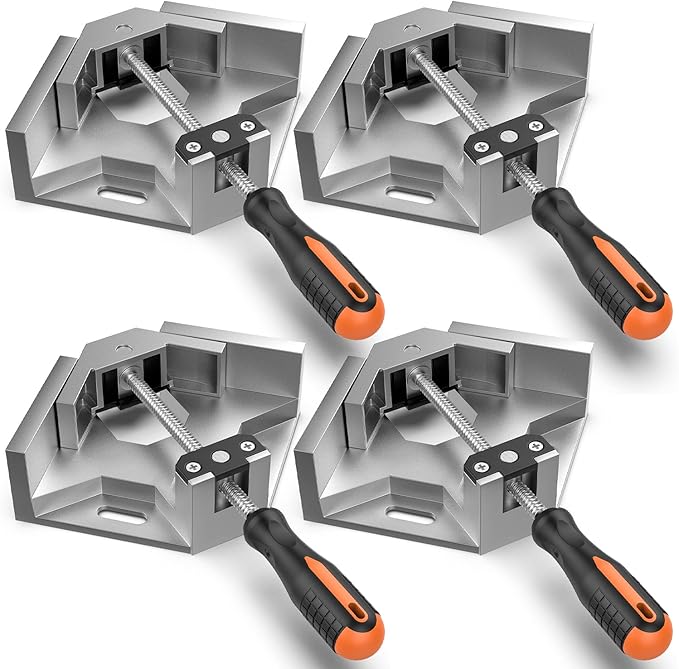
Amazon Corner Clamps

When selecting a corner clamp for a specific woodworking project, several factors should be considered to ensure optimal results. First and foremost, evaluate the size of the pieces being joined and the type of joint required. For example, if you are assembling a large cabinet, a clamp with a higher clamping capacity, such as the Kreg 90° Corner Clamp, which can handle materials up to 1 inch thick, would be ideal. This type of clamp is particularly useful for thicker materials, providing the necessary support for a reliable joint.

Additionally, checking for squareness is essential before purchasing a clamp, as misaligned clamps can lead to inaccurate results during assembly. A quick test can be performed by placing the clamp against a known straight edge to ensure it is square. Assessing the material and build quality of the clamp is crucial to ensure it can withstand repeated use without deforming. Features like quick-release mechanisms can enhance usability and efficiency during assembly, making the entire process smoother. When selecting a clamp, consider how often you will be using it and for what type of projects, as this will influence the long-term value and performance of the clamp.

Effective Usage Tips for Corner Clamps

To use corner clamps effectively during assembly, proper alignment with the workpieces is critical to achieving accurate 90-degree angles. Misalignment can lead to gaps in the joints, compromising the integrity of the project. It is also beneficial to use the clamps to hold pieces in place while fastening, allowing for precise adjustments as needed throughout the assembly process. Before applying glue, performing a dry fit can help confirm that everything is aligned correctly, preventing costly mistakes that may require rework.

Applying even pressure across the joint is vital to avoid distorting the wood, which can occur from uneven clamping. For larger workpieces, utilizing bench dogs or stops can provide additional control and stability, making the clamping process more manageable. Another useful tip is to periodically check the alignment of the workpieces as you tighten the clamps, ensuring that nothing shifts out of place. By following these tips, woodworkers can significantly enhance the quality and precision of their projects. Additionally, considering the use of multiple clamps for larger assemblies can distribute pressure more evenly and provide additional support where needed.

Common Projects Benefiting from Corner Clamps

Corner clamps are particularly beneficial for various woodworking projects that require precise corner alignment. Smaller projects, like picture frames, greatly benefit from corner clamps, ensuring that the corners meet perfectly without gaps. The use of corner clamps in this context can elevate the craftsmanship of the frame, creating a polished and professional look. Similarly, assembling boxes, drawers, and cabinets relies heavily on the stability provided by these clamps, which help maintain consistent angles throughout the construction process.

Furniture construction, including tables and chairs, often necessitates the use of corner clamps to achieve accurate assembly. Without these clamps, woodworkers may struggle to maintain the necessary angles, leading to uneven surfaces. Additionally, building bookshelves and cabinets can significantly benefit from corner clamps to ensure straightness and square assembly. For more complex projects, such as custom cabinetry or built-ins, corner clamps provide essential support and accuracy, allowing woodworkers to tackle intricate designs with confidence. The versatility of corner clamps makes them invaluable tools for any woodworking enthusiast, regardless of the project’s complexity.

Maintenance and Care for Corner Clamps

To ensure the longevity of your corner clamps, regular maintenance is essential. Start by inspecting clamps for wear and misalignment, as these issues can compromise accuracy over time. Look for signs of rust, bent components, or loose screws that might affect the clamp’s performance. After each use, clean the clamps to remove any glue residue and sawdust, preventing operational issues during future projects. This simple practice can significantly extend the life of your clamps and maintain their effectiveness.

Storing clamps in a dry environment is crucial to avoid rust and degradation of materials. Proper storage solutions, such as hanging clamps on a pegboard or using dedicated storage racks, can help keep them organized and easily accessible. Periodically lubricating moving parts is also important to maintain smooth operation and prevent jamming, which can be a frustrating issue during assembly. If any parts become damaged or show significant wear, replacing them promptly will help maintain reliable performance and extend the life of your clamps. Establishing a maintenance routine can ensure that your corner clamps remain in top condition, ready for any woodworking project.

Advantages of Adjustable Clamps

Adjustable corner clamps offer several advantages over fixed ones, primarily in terms of versatility and ease of use. These clamps can accommodate various thicknesses, making them ideal for different projects that may involve materials of varying dimensions. For example, adjustable clamps are particularly useful when working with plywood of different thicknesses, as they can be easily modified to fit the material securely.

Additionally, adjustable corner clamps often have mechanisms that allow for quick adjustments, saving time during assembly. This feature is especially beneficial for woodworkers who frequently switch between different projects with varying material sizes. Users frequently find that adjustable clamps provide more precise pressure control compared to fixed clamps, which can lead to better joint quality. The design of many adjustable clamps also allows for easy storage, as they can be compacted when not in use, making them a practical choice for woodworkers with limited workspace. The flexibility and functionality of adjustable corner clamps make them indispensable tools in any woodworker’s arsenal.

DIY Corner Clamps: Making Your Own

Creating DIY corner clamps can be a cost-effective solution for woodworkers looking to save money without sacrificing functionality. Homemade corner clamps can be crafted from scrap wood, allowing woodworkers to customize their designs to fit specific project requirements. For example, a simple L-shaped configuration of wood can create a functional corner clamp that holds pieces at a perfect right angle. This not only saves money but also allows for creativity in design, enabling woodworkers to solve unique challenges.

There are numerous online tutorials and plans available for those interested in making effective homemade clamps. These resources can provide inspiration and guidance on materials and designs that work best for various projects. Using alternative materials like PVC or metal can lead to more durable and long-lasting DIY corner clamps. Experimenting with different designs not only fosters creativity but can also provide innovative solutions tailored to unique woodworking challenges. Crafting your own clamps can also be a satisfying and educational experience, further enhancing your woodworking skills.

Reviewing Corner Clamps: What to Look For

When considering corner clamps for purchase, it’s important to check user reviews to gain insights into functionality and durability, particularly from reputable brands like Bessey and Rockler. Look for features such as self-squaring designs and ergonomic handles that enhance usability, as these can make a significant difference in the clamping experience. Reading reviews from fellow woodworkers can provide valuable perspectives on the performance of different clamps in real-world applications.

Additionally, consider the price-to-quality ratio; while higher-priced clamps often offer greater precision and durability, it’s essential to find a balance that suits your budget. If you plan to use clamps in various locations or projects, comparing the weight and portability of different models can also be beneficial. It may also be worthwhile to try out a few different models in person, if possible, to assess how comfortable they are to use. Finally, researching warranty options and return policies can provide peace of mind, ensuring satisfaction with your purchase. Being informed about the features and performance of corner clamps can ultimately lead to a more enjoyable woodworking experience.

The Significance of Clamps in Woodworking Mastery

Corner clamps play a critical role in improving accuracy and efficiency in woodworking projects. By mastering the use of these clamps, woodworkers can enhance their capabilities significantly. Understanding the different types, effective usage tips, and maintenance strategies can lead to higher-quality craftsmanship and more professional-looking results. For instance, using corner clamps effectively can transform a novice woodworker’s capabilities, allowing them to tackle more complex projects with confidence.

Moreover, learning how to properly utilize corner clamps can boost confidence in tackling complex woodworking projects. As woodworkers develop their skills and experience with corner clamps, they will find themselves producing more intricate and detailed work, ultimately elevating their overall woodworking mastery. The precision offered by corner clamps can be the difference between a good project and a great one, making them indispensable tools for anyone serious about woodworking. Understanding their significance can inspire woodworkers to invest time in honing their skills, leading to improved outcomes in their craft.

Woodworking Chisel Sets

Mastering Your Craft: The Ultimate Guide to Woodworking Chisel Sets

Woodworking Chisel Sets. The essential guide to woodworking chisel sets, covering types, quality, maintenance, and safety tips for better craftsmanship.

a man is working on a piece of wood

Understanding the Importance of Woodworking Chisel Sets

Woodworking chisel sets are essential tools for both beginners and professionals, aiding in precision work and detailed crafting. These sets provide a variety of chisels that allow for different applications, making them indispensable for a wide range of projects. For example, a woodworker who is crafting intricate joinery will rely heavily on their chisel set to create clean, precise cuts that fit together seamlessly, showcasing the beauty of the woodwork.

The quality of chisels significantly impacts the outcome of woodworking projects. High-quality chisels not only make the work easier but also improve the overall craftsmanship. Craftsmen often find that their investment in a good set of chisels pays off in the quality of their work, as the tools perform more reliably. Investing in a quality chisel set can save time and reduce frustration compared to using lower-quality tools, making it a worthwhile consideration for anyone serious about woodworking. As woodworkers develop their skills, the advantages of using a well-made chisel set become increasingly apparent in the details of their projects.

Types of Chisels in a Woodworking Set

Common types included in a woodworking chisel set are bench chisels, paring chisels, mortise chisels, and dovetail chisels. Each type serves a specific purpose, allowing woodworkers to tackle a variety of tasks with precision. For instance, bench chisels are versatile tools used for general tasks such as paring and shaping wood, while mortise chisels are designed primarily for creating mortises in wood for joinery. A woodworker may find themselves reaching for a bench chisel for everyday tasks, while reserving the mortise chisel for more specialized joinery work.

Japanese chisels, such as Oire Nomi, are known for their unique construction of soft and hard steel, providing durability and ease of sharpening. These chisels are often favored for their balance and precision, allowing for smoother cuts and reduced resistance during use. For example, a professional woodworker may choose a Japanese chisel for detailed work, such as creating intricate designs or fine joinery, as they are specifically designed for such tasks. Specialty chisels like skew chisels and firmer chisels further expand the versatility of a woodworking chisel set, catering to specific applications such as detailed carvings and joinery. Each type of chisel is designed to excel in specific tasks, and having a comprehensive set ensures that woodworkers are always well-equipped for their projects.

Importance of Quality Chisels

High-quality chisels, like those from brands such as Two Cherries, are forged and heat-treated to ensure long-lasting sharpness and performance. The craftsmanship that goes into these tools is often reflected in the quality of the final work produced. For example, a woodworker using a Two Cherries chisel will notice the difference in how easily the chisel glides through the wood, allowing for cleaner and more effortless cuts. Such quality chisels are particularly important for intricate tasks where precision is paramount.

Quality chisels enhance cutting ease and edge retention, which reduces frustration during woodworking tasks. A sharp chisel allows for cleaner cuts that are essential for joinery and detailed work, contributing to a better overall finish on any project. Moreover, investing in quality tools can lead to improved craftsmanship and satisfaction with finished projects, as the tools perform reliably and effectively. This investment in quality not only benefits the woodworker but also enhances the final product, as the tools used play a significant role in the overall outcome of the project.

Recommended Brands for Woodworking Chisels

When it comes to woodworking chisel sets, several brands stand out for their quality and craftsmanship. Popular brands include Lie-Nielsen, Veritas, Narex, and Stanley, each offering unique features and benefits tailored to different woodworking needs. For example, Lie-Nielsen chisels are acclaimed for their durability and comfort, making them a favorite among professionals who demand performance and reliability from their tools.

Two Cherries is particularly noted for its German craftsmanship and ergonomic design, which enhances usability during extended projects. Their chisels are often praised for their ability to maintain sharpness and precision, which is crucial for professional woodworkers. Additionally, Kakuri tools provide high-quality Japanese chisels that are highly regarded for their precision and innovative designs, making them suitable for both enthusiasts and professionals alike. Vintage chisels can also be a cost-effective option, offering character and quality but may require some restoration. For instance, some woodworkers prefer to refurbish vintage chisels to bring them back to their original glory, finding satisfaction in both the process and the end result.

Common Woodworking Projects Utilizing Chisels

Chisels are frequently used in projects such as creating mortises, shaping joints, and refining edges on wood pieces. For beginners, simpler projects like wooden boxes or picture frames can help develop basic chisel skills while providing a sense of accomplishment. For instance, a beginner creating a picture frame will need to use chisels to achieve clean and precise joints that hold the frame together well. This type of project allows new woodworkers to practice their technique while producing a functional and aesthetically pleasing item.

Advanced projects, such as furniture making and detailed carvings, often rely heavily on the precision provided by chisels. Chisels are also essential in restoration projects, where fine detail work is necessary to match existing woodwork. For example, a craftsman restoring a vintage piece of furniture may need to use chisels to replicate intricate details that have been worn away over the years, ensuring that the restoration is authentic and true to the original design. This versatility makes chisels a fundamental tool in a woodworker’s arsenal, applicable across a wide range of projects and skill levels.

Chisel Maintenance and Care

Proper maintenance of woodworking chisels is crucial to their longevity and effectiveness. Regular sharpening after each use helps maintain their performance, ensuring that they are always ready for the next project. This practice not only keeps the tools in top condition but also enhances the quality of the work produced, as a sharp chisel cuts more cleanly and requires less effort. Additionally, chisels should be cleaned and stored properly to prevent rust and damage; applying a thin layer of oil on the blades can help protect them from moisture and prolong their life.

Inspecting chisels for nicks and damage regularly can prevent issues during use and prolong tool life. Some woodworkers prefer to use protective sheaths for their chisels, which help maintain sharpness and prevent accidents when storing tools. For instance, many professionals invest in leather sheaths that not only protect the blades but also add a touch of style to their tool collection. Developing a maintenance routine is essential for any woodworker looking to get the most out of their chisels, ensuring that they remain effective and safe to use over time.

Sharpening Techniques for Chisels

The recommended sharpening method for chisels is using diamond plates, which provide better results compared to traditional whetstones. Diamond plates are preferred for their ability to quickly and effectively sharpen edges, saving woodworkers time while delivering excellent results. Maintaining the correct angle during sharpening is crucial, with common angles being 20, 25, and 30 degrees depending on the type of chisel and intended use. For example, a 25-degree angle is often used for general-purpose chisels, providing a balance between sharpness and durability.

Honing the edge after sharpening can further improve cutting performance and prolong the life of the chisel. Using a strop with polishing compound can help achieve a razor-sharp edge, which is especially beneficial for fine woodworking tasks that require precision cuts. While sharpening may seem daunting for beginners, developing a consistent technique can greatly enhance the quality of their work and confidence in using chisels over time. Moreover, learning to sharpen chisels effectively can save woodworkers money in the long run, as they will rely less on professional sharpening services.

Chisel Sizes and Their Uses

A minimal set of chisels typically includes sizes like 1/4″, 1/2″, and 1″ to cover most basic woodworking tasks. Understanding chisel sizes helps woodworkers select the right tool for the job, ensuring optimal results. For instance, smaller chisels are ideal for detailed work and fine cuts, while larger chisels are used for heavy-duty tasks like mortising. A woodworker may find that having a variety of sizes allows them to tackle a broader range of projects with greater ease.

Specialty sizes are also available for specific tasks, such as micro chisels for intricate detail work and larger chisels for rough shaping. For example, a woodworker engaged in fine carving may reach for micro chisels to create detailed designs, while larger chisels might be used for shaping larger wooden pieces. As woodworkers gain experience, they can expand their toolkit to include a variety of sizes that cater to different projects and techniques. Having the right size chisel for each task not only improves efficiency but also enhances the overall quality of the finished work.

Materials Used in Chisel Construction

High-quality chisels are often made from high-carbon steel or alloy steel, providing strength and resilience during use. The choice of materials influences the performance and longevity of the chisels, affecting user experience. For example, high-carbon steel chisels are known for their ability to hold a sharp edge and resist wear, making them a preferred choice for many woodworkers. The durability of the materials used in chisel construction can greatly impact how often they need to be sharpened or replaced.

The handles of chisels are usually crafted from durable materials like beechwood or Japanese oak, offering comfort and control during use. A well-designed handle is crucial for maintaining grip and reducing fatigue during long periods of work. Some chisels feature laminated steel blades that combine different metals to enhance strength and improve edge retention. The material composition of chisels plays a significant role in their overall effectiveness and user satisfaction, making it essential for woodworkers to choose tools that align with their specific needs and preferences.

Safety Tips for Using Chisels

Safety is paramount when using chisels in woodworking. Always cut away from your body and maintain control of the chisel to prevent accidents. This fundamental rule is essential for all woodworkers, regardless of experience level. Using a proper mallet, such as a traditional beechwood mallet, can provide better control and reduce the risk of injury during use. A well-balanced mallet allows for more precise strikes, which is especially important when working with sharp chisels.

Wearing safety glasses is recommended to protect against wood chips and debris while working. Safety glasses not only shield the eyes from potential injury but also allow woodworkers to focus on their tasks without distractions. Additionally, keeping chisels sharp reduces the amount of force needed, lowering the risk of slips and accidents during cutting tasks. By following these safety tips, woodworkers can ensure a safer and more enjoyable crafting experience, allowing them to focus on their creativity and craftsmanship without unnecessary risks.

Woodworking Plans And Projects

Mastering Woodworking: Essential Plans, Projects, and Tips for Every Skill Level

Woodworking plans and projects. Discover essential woodworking plans and projects to enhance your skills, from beginner ideas to advanced creations, while ensuring safety and efficiency.

A man working on a piece of wood

Understanding the Importance of Woodworking Plans and Projects

Woodworking plans are comprehensive guides that detail all the necessary steps, materials, and tools required to complete a specific project. They serve as a blueprint for woodworkers, providing a clear roadmap that helps streamline the crafting process. For example, a plan for constructing a simple coffee table will outline each step, from selecting the type of wood to the final assembly, ensuring that even novice woodworkers can follow along with confidence. By having a structured plan, woodworkers can anticipate challenges and prepare accordingly, leading to a more satisfying experience.

The benefits of having a detailed woodworking plan extend beyond just organization. With a plan in hand, one can significantly improve efficiency, as it minimizes the time spent figuring out what to do next. Plans often include precise measurements and material lists, which help reduce waste and save costs associated with unnecessary purchases. For instance, if a woodworker is building a bookshelf, having exact measurements outlined in the plan helps avoid cutting excess wood, thus saving both time and material. This careful planning can prevent costly mistakes, as it guides woodworkers in avoiding common pitfalls that can arise during the crafting process.

Additionally, many woodworking plans come equipped with diagrams and illustrations, which enhance understanding for those who are more visually inclined. For example, a plan that includes a detailed diagram of the joinery can make it easier for beginners to grasp complex concepts. Overall, having a well-structured woodworking plan is crucial for anyone looking to create functional and aesthetically pleasing projects.

Types of Woodworking Projects

The world of woodworking encompasses a diverse range of projects that cater to various interests and skill levels. From furniture to decorative items, the possibilities are virtually endless. For beginners, starting with simpler projects like bookshelves, coffee tables, or birdhouses is a great way to build foundational skills while achieving satisfying results. These projects often involve basic techniques such as cutting, sanding, and assembly, making them ideal for those just starting their woodworking journey.

In addition to beginner projects, there are specialized woodworking creations that can cater to unique needs or interests. For instance, pet owners may enjoy building custom dog houses or cat trees that provide both functionality and a personal touch. Seasonal projects, like garden furniture or holiday decorations, offer opportunities to engage with the craft year-round. For example, constructing a wooden planter box during the spring can enhance both your gardening experience and your outdoor decor, making it a rewarding project that can be enjoyed for years to come.

Moreover, as woodworkers develop their skills, they might explore more intricate projects like cabinets, desks, or even intricate wood carvings. The versatility of woodworking allows for creativity to flourish, enabling individuals to tailor their projects to their tastes and home decor. Whether crafting a simple piece or taking on a more complex build, the satisfaction gained from completing a woodworking project is unparalleled.

Essential Tools for Woodworking

Having the right tools is paramount for successful woodworking endeavors. For beginners, a basic toolkit should include essential tools such as saws, drills, measuring tools, and safety gear. These tools lay the foundation for most woodworking tasks and are crucial for executing a variety of projects. For instance, a circular saw is a versatile tool that can handle straight cuts in large boards, making it indispensable for projects like constructing a dining table or a bookshelf.

As woodworkers gain experience, they may want to invest in more advanced tools, such as routers and jointers, which allow for more precision and creativity in projects. For example, a router can be used to create decorative edges on furniture, elevating the aesthetic quality of a piece significantly. Moreover, maintaining these tools is essential; ensuring they are clean, well-oiled, and sharpened can prolong their lifespan and improve performance. Regular maintenance not only saves money in the long run but also enhances safety during use.

It’s also helpful to be aware of the cost variations between basic and advanced tools. Beginners can expect to spend anywhere from $100 to $500 to build a functional toolkit, while advanced tools can range from several hundred to thousands of dollars. Investing in quality tools from reputable brands can lead to better results and a more enjoyable woodworking experience, as they often come with warranties and customer support. Ultimately, having a well-rounded toolkit is essential for tackling a wide variety of woodworking projects with confidence.

Finding Free Woodworking Plans

The internet provides a wealth of resources for woodworkers looking to find free woodworking plans. Numerous reputable websites offer a diverse array of projects that cater to different skill levels. Platforms like Ana White, The Design Confidential, Instructables, and Kreg Tools are fantastic starting points for anyone seeking DIY project ideas [1][2]. Each of these websites features a range of plans that vary in complexity, allowing woodworkers to choose projects that align with their current skills.

Community resources, such as local libraries, can also be valuable for woodworkers. Many libraries provide access to woodworking magazines and books that include detailed project plans and tips for success. For example, a library might have issues of popular publications like Woodsmith or Shopnotes, which often include high-quality plans suitable for a variety of projects. Engaging with these resources can enhance one’s knowledge and inspire new ideas.

In addition to online resources, participating in woodworking forums and social media groups allows woodworkers to connect with others who share their passion. Many experienced woodworkers share their plans and insights, providing valuable feedback and support. By exploring user reviews and completed project photos, aspiring woodworkers can gain a better understanding of which plans are reliable and effective, ensuring a smoother crafting experience.

Tips for Selecting Woodworking Plans

Choosing the right woodworking plans is crucial for a successful project. To make an informed decision, consider factors such as your skill level, the type of project you want to undertake, and the materials you have on hand. Beginners should prioritize plans that offer detailed instructions and comprehensive materials lists to facilitate a smoother crafting experience. For instance, if you’re interested in building a simple shelf, a plan that outlines each step clearly will make the process much more manageable.

It is also wise to start with simpler projects to build confidence before progressing to more complex designs. For example, constructing a birdhouse can be an excellent first project, as it typically involves straightforward cuts and assembly while allowing for personal touches in design. Additionally, looking for woodworking plans that include estimated completion times can help you manage your schedule effectively. Knowing how long a project is likely to take can prevent frustration and encourage a more enjoyable crafting journey.

When selecting plans, it’s beneficial to consider the tools and materials required. Ensure that you have access to the necessary equipment before diving into a project. If a plan calls for advanced tools you don’t possess, it may be worth starting with a simpler design that aligns with your current toolkit. By following these tips, woodworkers can make more informed decisions, leading to successful and satisfying project completions.

Safety Precautions in Woodworking

Safety should always be a top priority when engaging in woodworking activities. Wearing appropriate safety gear is essential to protect yourself from potential injuries. This includes goggles to shield your eyes from flying debris, gloves to protect your hands from sharp edges, and dust masks to prevent inhalation of harmful particles. For instance, when sanding wood, wearing a dust mask can significantly reduce the risk of respiratory issues caused by fine wood dust.

In addition to personal protective equipment, practicing safe handling of tools and materials is critical. This encompasses using proper lifting techniques to avoid strains and maintaining an organized workspace to minimize hazards. A clutter-free work area allows for better visibility and prevents accidents, such as tripping over tools or materials. Moreover, ensuring that tools are stored safely after use can help prevent unintended injuries, especially in households with children or pets.

Creating a well-ventilated workspace is equally important, especially when working with treated lumber or adhesives that may release harmful fumes. Proper ventilation can be achieved by opening windows or using fans to circulate air. Keeping your work area tidy not only improves productivity but also reduces the likelihood of accidents. By prioritizing safety, woodworkers can enjoy their craft while minimizing potential dangers, leading to a more fulfilling experience.

Popular Woodworking Projects for Beginners

There are many beginner-friendly woodworking projects that can help newcomers to the craft build their skills while enjoying the process. Simple items such as a bookshelf, garden planter, or birdhouse can typically be completed within a weekend and require minimal tools. These projects not only allow beginners to practice essential techniques, such as cutting, drilling, and sanding, but also result in tangible items that can be used or displayed proudly.

For those who may feel intimidated by cutting materials themselves, starting with pre-cut kits can be a great option. These kits often come with all the necessary pieces and detailed instructions, making them accessible to those who are just starting out. For example, a pre-cut birdhouse kit can provide a sense of accomplishment without the pressure of cutting and measuring. Additionally, online video tutorials can be incredibly helpful for beginners, providing visual guidance throughout the project. Watching a video on assembling a simple bookshelf can clarify the process and boost confidence, making the project feel more approachable.

As beginners gain experience, they can begin to challenge themselves with slightly more complex projects, such as small tables or benches. These projects will help reinforce skills learned in earlier endeavors and provide opportunities to experiment with new techniques. By progressively tackling more challenging projects, woodworkers can build a solid foundation and develop a sense of pride in their growing abilities.

Advanced Woodworking Projects

For those with more experience, advanced woodworking projects present exciting challenges and opportunities for creativity. Complex items like dining tables, cabinets, and outdoor furniture require a deeper understanding of woodworking techniques, including joinery and finishing processes. For example, constructing a dining table may involve techniques such as mortise and tenon joinery, which can provide greater structural integrity and aesthetic appeal. These advanced projects allow woodworkers to showcase their skills while creating functional pieces that can be cherished for years.

Moreover, advanced projects often allow for customization, enabling woodworkers to add personal touches that reflect their style and preferences. This could involve selecting unique wood species, incorporating intricate carvings, or applying custom finishes that enhance the final appearance. Networking with experienced woodworkers can also be beneficial when taking on advanced projects. Engaging in discussions about techniques, tools, and materials can provide insights that lead to successful project completion.

Collaborative workshops or classes are excellent avenues for learning advanced techniques and networking with other woodworkers. Participating in these settings can foster a sense of community and provide invaluable learning experiences. By embracing the challenges that advanced projects offer, woodworkers can push their boundaries and develop their skills further.

Creative Woodworking Ideas for Home Decor

Woodworking offers endless possibilities for enhancing home aesthetics with unique decor pieces that reflect personal style. Projects like custom picture frames, decorative shelves, and stylish light fixtures can add a personal touch to any living space. For instance, crafting a rustic picture frame from reclaimed wood can beautifully showcase cherished memories while contributing to a warm atmosphere in your home. Seasonal items, such as handmade ornaments or festive centerpieces, can also bring creativity and joy to your living space during special occasions.

Upcycling old wooden furniture into new decor pieces is a sustainable approach to woodworking that not only saves resources but also allows for creative expression. For example, transforming a vintage wooden chair into a chic plant stand not only breathes new life into an old item but also creates a unique focal point in your home. The trend of incorporating mixed materials, such as metal with wood, can yield stunning results that reflect modern design sensibilities. For instance, a wooden shelf paired with metal brackets can create an industrial yet stylish look that fits well in contemporary interiors.

Moreover, woodworking projects can also serve as thoughtful gifts when crafted with care. Creating a custom item for a loved one not only showcases your woodworking skills but also conveys a personal touch that store-bought items often lack. Whether it’s a handmade cutting board for a culinary enthusiast or a decorative shelf for a friend’s new home, woodworking allows for meaningful and lasting gifts that can be cherished for years to come.

Woodworking for Gifts and Crafts

Woodworking projects make wonderful gifts that come straight from the heart, allowing for personal touches that elevate their sentimental value. Items like personalized cutting boards, toy boxes, or custom furniture pieces can be tailored to the recipient’s tastes and needs, making them special and unique. For instance, crafting a toy box for a child can not only provide a functional storage solution but also serve as a cherished keepsake that can be passed down through generations.

Additionally, woodcrafts can be created for local markets or craft fairs, providing opportunities to showcase your creations and connect with the community. Participating in these events can be a rewarding experience, allowing woodworkers to share their passion and creativity with others. For example, setting up a booth with handmade wooden toys or home decor items can attract attention and lead to meaningful conversations with potential customers.

Personalization is a key element in woodworking gifts. Engraving names or custom designs on a piece not only adds a personal touch but also enhances its sentimental value. Collaborative projects, where families or friends work together to create a gift, can strengthen bonds and create lasting memories during the crafting process. Whether it’s a group effort to build a picnic table or creating custom ornaments for the holidays, these shared experiences can deepen connections while producing meaningful gifts.

Embracing the Woodworking Journey

Starting your woodworking journey can be both exciting and challenging, filled with opportunities for growth and creativity. It’s important to begin with small projects and gradually take on more complex ones as your skills develop. Engaging with the woodworking community, whether through forums or local groups, can provide encouragement, inspiration, and valuable feedback on your creations. Sharing successes and challenges with others can foster a sense of belonging and motivate you to continue honing your craft.

Documenting your woodworking journey through a blog or social media can also inspire others and foster connections within the community. By sharing photos of completed projects or offering tips and tricks, you can contribute to the collective knowledge of fellow woodworkers. Additionally, reflecting on your progress can help you appreciate how far you’ve come and motivate you to tackle new challenges.

Remember, woodworking is a skill that improves with practice and patience; the more you immerse yourself in the craft, the more skilled you will become. Embrace the journey, and enjoy each project as a step toward mastering this rewarding craft. With time, dedication, and a willingness to learn, anyone can find joy in woodworking and create beautiful pieces that enhance their lives and spaces.

Woodworking Bench Clamp

Mastering Woodworking Bench Clamps: Essential Tools for Precision and Efficiency

Woodworking bench clamp. The essential guide to woodworking bench clamps, exploring types, techniques, and tips for better woodworking projects.

a person is holding a small object in their hand

Overview of Woodworking Bench Clamps

Woodworking bench clamps are essential tools that provide stability and precision during various woodworking projects. They are designed to firmly hold workpieces in place, thereby enhancing the quality of cuts and assembly. By preventing movement, clamps play a crucial role in avoiding damage to materials during intricate tasks, such as joinery or glue application. For instance, when attaching two pieces of wood, using clamps ensures that the surfaces remain flush and aligned, allowing for a clean finish once the glue dries.

Spring Clamps for Woodworking,

Moreover, effective clamp usage can significantly reduce the need for additional fasteners, streamlining the assembly process and saving time and resources. When building furniture, for example, clamps can hold components together securely while the glue sets, eliminating the necessity for screws or nails in some applications. This capability also minimizes the risk of warping in wood, which can occur during glue application if the pieces shift. Understanding the importance of proper clamping techniques ensures that your woodworking projects yield high-quality results, ultimately reflecting your skill and dedication to the craft.


Types of Woodworking Bench Clamps

There is a diverse array of woodworking bench clamps available, each tailored to serve specific tasks effectively. Common types include bar clamps, F clamps, and parallel clamps, all of which have unique designs and applications in woodworking. For example, bar clamps are particularly useful in large-scale projects, such as assembling table frames, as they can provide a strong, even pressure across expansive surfaces. Conversely, F clamps are suited for smaller projects and can easily fit into tight spaces due to their compact structure.

Adjustable woodworking clamps are a versatile choice, allowing users to modify the clamp’s length to accommodate various material thicknesses. Heavy-duty woodworking clamps, designed for larger projects, provide greater clamping force, making them ideal for holding heavy timbers in place as they are being joined. Specialty clamps, such as corner clamps and pipe clamps, cater to specific tasks like creating right angles or clamping round stock, respectively. Additionally, spring clamps are notable for their quick-action capabilities, making them excellent for temporary holds when attaching small pieces or performing quick repairs. The variety of clamps available ensures that woodworkers can select the most appropriate tool for their specific needs, leading to better project outcomes.

Woodworking Bench Clamp

Importance of Using Clamps in Woodworking

Woodworking Bench Clamp: The importance of using clamps in woodworking extends beyond mere convenience; they are vital for ensuring the accuracy and integrity of your projects. Clamps help secure materials in place, significantly minimizing movement during cutting, drilling, or assembly, which is crucial for achieving precise results. For instance, when creating dovetail joints, proper clamping ensures that pieces fit together tightly, enhancing both the aesthetic and structural integrity of the finished product. This precision is particularly important in fine woodworking, where even minor misalignments can compromise the overall quality of the piece.

Moreover, clamps are indispensable during glue-ups, as they ensure that the pieces bond effectively without shifting out of alignment. The application of glue, especially in larger projects, requires careful management of the clamping process to prevent any movement that could lead to uneven joints. Using clamps can significantly enhance the overall finish of the project by ensuring tight joints and seams that require minimal sanding or adjustment afterward. For example, when constructing a cabinet, the use of clamps during assembly allows for a seamless fit across all joints, ultimately leading to a professional-looking finish. Their role in woodworking cannot be overstated, as they contribute to both the quality and precision of the work being produced.

Choosing the Right Woodworking Bench Clamp

Selecting the right woodworking bench clamp for your project involves careful consideration of several factors to ensure optimal results. First, assess the specific requirements of your project, including the type of joint or assembly method you plan to use. For example, if you are working on a mortise and tenon joint, a clamp that can evenly distribute pressure across the joint will be crucial for achieving a tight fit. Evaluating the clamping capacity and reach of the clamp is equally important, as these features determine whether the clamp can handle the size and thickness of your materials.

Quick-release features can also enhance efficiency during assembly, allowing you to easily adjust or remove clamps as needed. If you’re frequently switching between tasks, having clamps that can be quickly released can save valuable time and streamline the workflow. Additionally, assessing the material and construction quality of the clamp is vital for ensuring durability, especially if you frequently engage in heavy-duty projects. For instance, clamps made from high-quality steel will withstand more stress and resist wear over time compared to cheaper alternatives. Finally, consider the weight of the materials being clamped, as heavier items will necessitate stronger clamps to maintain security and stability during the work process.

Maintenance and Care for Woodworking Clamps

Maintaining and caring for your woodworking clamps is crucial for ensuring their longevity and performance. Regular inspection for wear and damage helps identify potential issues before they impact your projects. Checking for signs of rust, especially in metal clamps, can prevent further deterioration and maintain smooth operation. After each use, be sure to clean the clamps to remove any resin or glue build-up that may hinder their performance. For example, using a damp cloth to wipe down the surfaces and mechanisms can keep your clamps functioning optimally, especially after working with adhesives.

Storing clamps in a dry area is essential to avoid rust and deterioration, particularly for those made of metal. Wooden clamps, while less prone to rust, can still benefit from proper storage to prevent warping or damage. Lubricating moving parts periodically ensures a smooth clamping action, enhancing your overall efficiency during projects. If you notice any worn or damaged components, replacing them promptly is critical to maintain safety and effectiveness in your woodworking tasks. A well-maintained clamp not only performs better but also extends the lifespan of your tools, making it a wise investment for any woodworker.

Safety Tips When Using Woodworking Clamps

Prioritizing safety when using woodworking clamps is essential to prevent accidents and injuries in the workshop. Always wear safety goggles to protect your eyes during clamping operations, particularly when working with power tools or materials that may splinter. Ensuring that clamps are properly tightened is crucial, but avoid over-tightening, as this can lead to damage or breakage of the workpiece. For instance, when clamping delicate veneers, excessive pressure can cause them to crack or warp.

Using clamps that are specifically designed for the task at hand is vital for avoiding accidents and ensuring effective clamping. For example, using a bar clamp for a large assembly project provides better stability than using a smaller clamp not designed for heavy-duty work. Always keep your hands clear of the clamping area to prevent pinching injuries, which can occur if fingers get caught between the clamp and the workpiece. Before starting any clamping operation, inspect clamps for any signs of structural weakness that could lead to failure during use, which could pose a significant safety hazard. Taking these precautions helps create a safer workspace for everyone involved in the woodworking process.

Woodworking Projects That Utilize Clamps

Woodworking clamps are invaluable tools across a wide range of projects, playing a crucial role in furniture assembly, cabinetry, and intricate joinery. For instance, in furniture making, clamps provide the necessary stability during glue-ups, ensuring that parts align correctly and adhere properly. Clamps are particularly beneficial when constructing tabletops or frames, as they hold the pieces in place while the adhesive cures, preventing shifts that could lead to misalignment. This stability is essential for achieving a professional finish, as it minimizes the need for adjustments after the glue has set.

Moreover, clamps are crucial for more complex woodworking tasks that require precision. For example, when creating intricate designs such as dovetail joints, clamps allow for tight fitting, which is vital for both strength and aesthetic appeal. They also assist in holding templates or jigs in place during routing operations, ensuring that cuts are made accurately. In projects involving cabinetry, clamps are essential for mounting hardware, ensuring that components align correctly during installation. This versatility demonstrates that no matter the complexity of the woodworking task, clamps are a fundamental tool that enhances efficiency and quality in every project.

Woodworking Clamp Techniques

Mastering effective clamping techniques can significantly elevate the quality of your woodworking projects. For larger assemblies, employing multiple clamps can help distribute pressure evenly across the workpiece, preventing deformation or damage during the process. For example, using several clamps on a wide tabletop ensures that the pressure is applied uniformly, resulting in a strong bond without any warping. Experimenting with different clamping arrangements can provide additional stability, particularly when working with irregularly shaped pieces or joints.

Utilizing holdfasts and handscrews for vertical clamping can improve precision during chiseling or sanding tasks. These tools allow for a more controlled approach, ensuring that the workpiece remains steady throughout the process. Additionally, consider using cauls—wooden strips placed between the clamp and the workpiece—to distribute clamping pressure over larger areas. This technique prevents surface damage and ensures that the pressure is applied evenly across the glued surfaces. Practicing different tightening methods, such as ratcheting systems, can also lead to more efficient clamping and better results, allowing woodworkers to adapt their techniques to a variety of projects with ease.

Accessories for Woodworking Bench Clamps

To enhance the functionality of woodworking bench clamps, a variety of accessories are available that can improve their performance. Clamp pads are a popular addition, as they protect delicate surfaces from damage caused by clamping pressure, especially when working with finished wood or veneers. These pads help distribute the pressure more evenly, preventing marks or indentations. Additionally, clamp extenders are valuable for increasing the versatility of clamps, allowing them to handle larger workpieces that would otherwise be difficult to secure effectively.

Other accessories, such as clamp tracks and vises, can significantly improve the effectiveness of your clamping setup. These tools provide additional support and options for securing materials, making them essential for complex assemblies or projects requiring precision. Magnetic clamps are another innovative solution, offering quick and adjustable holding for lightweight materials, which can be particularly useful for tasks that require frequent repositioning. Specialty clamp accessories, such as glue spreaders, can further streamline the assembly process by ensuring even application of adhesives, leading to better overall results in your woodworking endeavors.

Final Thoughts on Maximizing Woodworking Clamp Use

Understanding the nuances of woodworking bench clamps can lead to considerable improvements in both efficiency and safety within your workshop. Proper selection, use, and maintenance of clamps are essential for achieving successful outcomes in woodworking projects, allowing craftsmen to focus on their artistry without being hindered by equipment issues. Continuous practice and experimentation with different clamping techniques will yield better results, as woodworkers become more adept at selecting the right clamp for each task and applying it effectively.

Investing in high-quality clamps is a decision that pays off in the long run, as they can save time and resources while enhancing the quality of your work. By mastering the use of woodworking clamps and their various applications, woodworking enthusiasts can elevate both the quality and enjoyment of their craft, producing pieces that reflect their skills and dedication to the art of woodworking. Ultimately, knowing how to utilize these tools effectively transforms the woodworking experience, making it not only productive but also immensely satisfying.

Woodworking Bandsaw Your Ultimate Guide

Mastering the Bandsaw: Your Ultimate Guide to Precision Woodworking

Woodworking Bandsaw; the essential guide to woodworking bandsaws, including types, key features, safety tips, maintenance, and project ideas.


Overview of Woodworking Bandsaws

A woodworking bandsaw is a highly versatile power tool that excels in cutting wood and various other materials with remarkable precision. Its design features a continuous loop blade that runs on two wheels, allowing woodworkers to achieve smooth, consistent cuts. This characteristic makes bandsaws particularly popular among craftsmen who require both straight and curved cuts for their intricate projects. The ability to resaw lumber into thinner sheets enhances the bandsaw’s usefulness, making it an essential tool for maximizing wood utilization, especially in both hobbyist and professional woodworking settings. For example, a furniture maker might use a bandsaw to create delicate curves on the legs of a custom chair, showcasing the tool’s ability to handle complex shapes.

In addition to its cutting capabilities, the bandsaw serves multiple functions that cater to a wide range of woodworking needs. It is capable of handling various materials, including softwoods, hardwoods, and composites, making it a go-to choice for many woodworkers. Its role extends beyond cutting, as it can also be used for shaping and even joinery tasks, further illustrating its versatility. Many woodworkers find that having a bandsaw in their toolkit significantly enhances their craftsmanship, allowing for more creative freedom and efficiency in completing various projects.

Types of Woodworking Bandsaws

When exploring bandsaws, it’s important to understand the different types available, each designed to meet specific woodworking needs. The two primary categories are vertical and horizontal bandsaws. Vertical bandsaws are often favored for intricate cuts and curves, making them ideal for detailed projects where precision is key. On the other hand, horizontal bandsaws are generally utilized for resawing operations and cutting larger pieces of wood, which is advantageous in commercial settings where efficiency is crucial. An example of this is a lumber mill that employs horizontal bandsaws to quickly slice through substantial logs, maximizing output in a time-efficient manner.

Bandsaws also come in various sizes, catering to different workshop environments and project requirements. Smaller models, typically around 10 inches, are suitable for hobbyists with limited workspace, while larger models, up to 20 inches, are designed for heavy-duty tasks in professional settings. Portable bandsaws provide another level of convenience, as they are lightweight and easy to transport. These are particularly useful for contractors who perform on-site work or for woodworkers who lack a dedicated workshop. Specialized bandsaws exist as well, such as those designed for metalworking, which allow craftsmen to cut through non-ferrous metals efficiently, showcasing the tool’s adaptability across various materials.

Key Features to Look for When Purchasing a Bandsaw

When considering the purchase of a bandsaw, several key features should guide your decision to ensure you select the right model for your woodworking needs. One of the most critical aspects is motor power, with options typically ranging from 1-3/4 HP to 3 HP. The motor’s power directly influences the saw’s cutting ability, affecting how well it can handle tougher materials and thicker woods. For instance, a woodworker planning to cut dense hardwoods would benefit from a bandsaw with a more powerful motor, as it will make the task easier and more efficient.

Additional features to consider include tension indicators, which help maintain proper blade tension during use, and digital readouts that provide precise measurements, enhancing the overall usability of the tool. The height of the table and the resaw capacity are also significant considerations. A model with a 38-inch table height allows for greater versatility in cutting larger pieces of wood and provides better ergonomics during operation. Moreover, adjustable blade guides are essential for improving cutting accuracy and stability during use, ensuring that the woodworker achieves the desired results consistently.

An often-overlooked feature is the presence of integrated dust collection systems. These mechanisms help maintain a clean workspace, which is vital for both safety and efficiency. A clean environment reduces the risk of accidents caused by slipping or tripping over debris while also improving air quality, an important consideration for those who spend extended periods in their workshops. By focusing on these features, woodworkers can make informed decisions when selecting a bandsaw that meets their specific needs.

Safety Tips for Using a Bandsaw

Safety is a paramount concern when operating a bandsaw, as improper use can lead to serious injuries. Wearing safety goggles is essential to protect the eyes from flying debris, while hearing protection is crucial when working with powerful machinery. Furthermore, ensuring proper hand placement and the use of push sticks can significantly reduce the risk of accidental contact with the blade during cuts. For instance, a woodworker might use a push stick to guide a narrow piece of wood through the saw, maintaining a safe distance from the blade.

Maintaining a clean work area is critical in preventing accidents. Cluttered spaces can lead to slips or missteps, increasing the likelihood of injury. Woodworkers should also familiarize themselves with the operational manual and safety instructions specific to their bandsaw model. Understanding the machine’s features and limitations is essential for safe operation. Regular safety checks on the bandsaw are also advisable to ensure all components function correctly, as this can prevent malfunctions that might lead to accidents.

An additional safety practice involves setting up the bandsaw in a room with adequate lighting. Poor visibility can contribute to mistakes during operation, making it difficult to maintain awareness of both the workpiece and the blade’s position. For example, a well-lit workshop will allow the woodworker to see any potential hazards and make necessary adjustments during the cutting process. By following these safety tips, woodworkers can enhance their protection and ensure a safer working environment.

Maintenance Tips for Bandsaws

To ensure a bandsaw remains in good working condition, regular maintenance is essential. This includes routine inspections and cleaning of the blade to prevent buildup that can hinder performance. A clean blade is crucial for achieving accurate cuts and prolonging the life of the bandsaw. Woodworkers should also lubricate the bearings and guides to ensure smooth operation, as this reduces wear and tear on the components, promoting longevity in the tool’s lifespan.

Checking and adjusting the blade tension is another critical maintenance task. Proper tension is vital for maintaining cutting accuracy, as an improperly tensioned blade can lead to drift and uneven cuts. For instance, a woodworker might find that their bandsaw produces cleaner, straighter cuts after making minor adjustments to the blade tension. Promptly replacing dull blades is also essential; using a dull blade not only strains the motor but can also compromise the quality of the cuts, leading to frustration and wasted materials.

Additionally, woodworkers should periodically check the alignment of the blade and wheels to ensure straight cuts. Misalignment can lead to inaccurate cutting results and may cause increased wear on the saw. For example, a simple realignment of the blade can drastically improve the quality and precision of the cuts being made. By adhering to these maintenance tips, woodworkers can keep their bandsaws in optimal condition, ensuring reliable performance for years to come.

Common Projects That Can Be Completed With a Bandsaw

Woodworking bandsaws are capable of executing a wide array of projects, allowing craftsmen to create intricate furniture pieces by cutting curves and shapes. The bandsaw’s ability to resaw lumber enables users to produce thinner boards for various applications, such as crafting tabletops or doors. This functionality is particularly valuable for those looking to maximize their material usage while minimizing waste. For example, a woodworker may resaw a thick plank into several thinner boards, allowing for multiple projects from a single piece of lumber.

Beyond furniture-making, bandsaws are also utilized for crafting decorative items and detailed joinery. Projects such as creating custom moldings or trim work can be accomplished with a bandsaw, enhancing the overall aesthetic of woodworking endeavors. Moreover, bandsaws are effective in cutting out jigs, templates, and patterns essential for more advanced woodworking tasks. A woodworker might create a series of templates for repetitive cuts, ensuring consistency across multiple pieces.

Additionally, bandsaws can be employed to fabricate intricate designs for artistic projects or crafts. For instance, a woodworker could use a bandsaw to create detailed wooden sculptures or signs, allowing for creativity and personalization in their work. The versatility of the bandsaw makes it an invaluable tool for a wide range of projects, from functional furniture to artistic expressions.

Bandsaw Blade Types and Their Uses

Selecting the appropriate bandsaw blade is crucial for achieving desired results, as different blade widths and tooth patterns cater to various cutting needs. For example, a finer blade is better suited for detailed cuts, while a wider blade is more effective for aggressive ripping tasks. This distinction is essential for woodworkers who want to ensure their blade selection aligns with the specific requirements of their project.

The materials used for blades also vary, with options including carbon steel, bi-metal, and carbide-tipped blades, each offering different levels of durability and performance. Carbon steel blades are typically more affordable and suitable for softer woods, while bi-metal blades offer enhanced strength and flexibility for tougher materials. Carbide-tipped blades, while pricier, are designed for heavy-duty use and can cut through denser hardwoods or composite materials with ease.

Understanding tooth configurations is vital for selecting the right blade for a woodworking project. Common tooth patterns include skip tooth, which is ideal for cutting softer materials, and hook tooth, which excels in aggressive cuts on thicker woods. Additionally, blade thickness affects both cutting speed and precision. A thicker blade can handle heavier tasks but may sacrifice some finesse, while a thinner blade allows for more delicate cuts. By carefully considering blade types and their specific applications, woodworkers can optimize their bandsaw’s performance.

Bandsaw vs. Table Saw: Which is Better?

When comparing bandsaws and table saws, it becomes apparent that each tool offers distinct advantages depending on the task at hand. Bandsaws excel in making curved cuts and intricate designs, which makes them ideal for detailed woodworking projects. Conversely, table saws are generally preferred for straight cuts and handling larger sheets of material, making them indispensable for many traditional woodworking tasks. For instance, a woodworker may rely on a table saw for ripping wide boards into manageable sizes before using a bandsaw for more intricate shaping.

Workspace requirements also factor into the decision between a bandsaw and a table saw. Bandsaws typically occupy less floor space, making them suitable for smaller workshops or hobbyist setups. This compact nature allows woodworkers with limited space to still have access to a powerful cutting tool without sacrificing valuable room for other equipment. Furthermore, bandsaws can often handle a wider range of materials beyond wood, including plastics and soft metals, further enhancing their value in diverse woodworking applications.

Cost differences provide another layer of consideration when choosing between these two tools. Bandsaws can vary significantly in price based on their features and capabilities, offering a range of options for different budgets. User experience is also a critical factor; bandsaws may require different skills and techniques compared to table saws, which could influence a woodworker’s choice based on their level of expertise. By weighing these considerations, woodworkers can determine which tool best suits their specific needs and projects.

Bandsaw Techniques for Beginners

For newcomers to woodworking, mastering basic bandsaw techniques is essential for successful and safe operation. Beginners should focus on learning to perform straight cuts, curves, and resawing, as these foundational skills will enhance their overall proficiency with the tool. Starting with simple practice projects, such as building small shelves or coasters, allows new users to familiarize themselves with the bandsaw’s operation and develop confidence in their skills.

Proper posture and hand positioning are vital for maintaining control and ensuring safety during cuts. New woodworkers should practice using push sticks or other aids to keep their hands at a safe distance from the blade while guiding the material through the saw. Additionally, learning to troubleshoot common issues, such as blade drift and uneven cuts, is crucial for improving cutting performance. For example, a beginner may encounter blade drift when making straight cuts, and understanding how to adjust the blade tension and alignment can significantly enhance their results.

Another effective strategy for beginners is to practice different techniques on scrap wood before tackling more complex projects. This approach allows them to gain hands-on experience without the pressure of working on final pieces. As they become more comfortable with the bandsaw, they can gradually progress to larger and more intricate projects, building their skills and enhancing their craftsmanship over time.

Best Brands and Models of Bandsaws for Woodworking

Choosing a bandsaw from reputable brands known for quality and reliability can greatly influence a woodworker’s experience. Brands like Laguna Tools, JET Tools, and Rikon Power Tools have established themselves as leaders in the woodworking industry, offering a diverse range of models to cater to various needs and preferences [4]. Notable models include the Laguna 14|BX and the JET 14” bandsaw, both recognized for their performance, ease of use, and advanced features that appeal to both beginners and experienced woodworkers.

When comparing brands, it’s essential to look at the specific features of each model. For instance, Laguna’s 14|BX features a disc-brake with a micro-switch for added safety, while Rikon’s models offer electronic variable speeds for enhanced control. Additionally, considering warranty offerings and the reputation for customer service can significantly impact a buyer’s satisfaction. User reviews and feedback also provide valuable insights into the performance and reliability of various models, helping potential buyers make informed decisions.

Ultimately, the best choice will depend on the woodworker’s specific needs, budget, and preferences. By researching different brands and models, woodworkers can find the perfect bandsaw to help them achieve their goals and elevate their craftsmanship to new heights.

Summary of Bandsaw Benefits and Considerations

Woodworking bandsaws provide a versatile tool that can enhance a woodworker’s capabilities across a wide variety of projects. Their ability to handle both intricate cuts and basic resawing tasks illustrates their importance for hobbyists and professionals alike. When selecting a bandsaw, it is crucial to consider the balance between cost, features, and individual user requirements to find the best fit.

Engaging with the woodworking community through forums, workshops, and local clubs can offer additional insights and tips for effectively using bandsaws. As woodworkers explore different options and techniques, they unlock new opportunities for creativity, craftsmanship, and personal expression in their projects. With the right bandsaw in hand, the possibilities for woodworking are virtually limitless, encouraging artisans to push the boundaries of their craft and achieve remarkable results.

You cannot copy content of this page