Carpentry Tools

Mastering Carpentry: A Complete Guide to Essential Tools and Techniques

Discover essential carpentry tools for every woodworking project, from hand tools to power tools, and learn how to maintain and store them effectively.

carpentry tools
carpentry tools


Understanding the Importance of Carpentry Tools

Carpentry tools are essential for anyone looking to engage in woodworking projects, whether for personal enjoyment or professional work. The variety of tools available serves specific functions that facilitate the cutting, shaping, and assembling of materials, primarily wood. Having a well-selected set of tools not only enhances efficiency but also ensures a high level of accuracy in every project undertaken. For instance, using a high-quality tape measure can significantly impact achieving precise dimensions, which is critical for fitting parts together seamlessly and avoiding costly mistakes.

The distinction between hand tools and power tools is crucial in understanding their individual functionalities and usage scenarios. Hand tools, such as hammers and chisels, require physical effort to operate, providing the user with greater control and finesse during tasks. Power tools, such as saws and drills, offer speed and efficiency, making them preferable for larger and more demanding projects. The growing trend of DIY carpentry projects among homeowners has resulted in many individuals investing in both types of tools, leading to a more hands-on approach in home renovations. A well-equipped toolkit can significantly improve project outcomes, resulting in a higher quality of craftsmanship and satisfaction for both the carpenter and the homeowner.

As more people engage in DIY projects, the importance of understanding the various carpentry tools has become more pronounced. Many homeowners are discovering the joy of woodworking, which not only fosters creativity but also allows for personalized home improvements. By investing in quality tools, even novice carpenters can create pieces that last and enhance their living spaces.

Essential Carpentry Hand Tools

For beginners venturing into the world of carpentry, specific hand tools are indispensable for completing a variety of tasks. A claw hammer, ideally weighing around 20 oz., Driving and pulling nails effectively, making it a staple in any toolbox. A retractable 25-foot tape measure is also crucial, as it ensures accurate measurements and helps prevent costly errors that can arise from miscalculations. Additionally, a utility knife with disposable blades is versatile for various cutting tasks, ranging from opening boxes to trimming wood, making it a handy tool to have on hand.

Other essential hand tools include a variety of screwdrivers, encompassing both flathead and Phillips types to accommodate different fasteners encountered in carpentry projects. Levels, particularly a 48” level and a smaller 8” torpedo level, are necessary for checking the alignment of surfaces to ensure that everything is straight and true. Each of these tools plays a specific role in ensuring that carpentry projects are completed accurately and efficiently, which is vital for achieving professional results.

Understanding how to use these hand tools effectively is equally important. For example, mastering the technique of using a chisel can greatly enhance a carpenter’s ability to create clean joints and detailed work. Additionally, investing time in learning the proper use of a utility knife can prevent injuries and improve cutting accuracy. The mastery of hand tools is a fundamental aspect of becoming a skilled carpenter.

Power Tools for Carpentry

Power tools have dramatically transformed the carpentry landscape, making tasks more manageable, efficient, and less time-consuming. Among the most common power tools are planers, wood routers, and drill presses, each serving unique and essential functions in woodworking. For instance, a cordless wood router is particularly valued for its convenience, allowing carpenters to shape edges and create joinery with ease and precision. Furthermore, dust collectors are increasingly recognized as essential equipment, as they maintain a clean workspace and help prevent debris from obstructing visibility or causing accidents.

Table saws are indispensable for making precise cuts on larger pieces of wood, which is essential for achieving the desired dimensions and fit. On the other hand, jigsaws are perfect for cutting curves and intricate shapes, making them ideal for detailed projects like furniture making. The combination of speed and precision that power tools offer can significantly elevate the quality of the work produced, allowing carpenters to tackle more complex designs efficiently.

The safety features of many modern power tools also contribute to their widespread usage. For example, newer models of table saws often come equipped with blade guards and anti-kickback devices, providing an added level of protection for users. This focus on safety, alongside improved performance, makes power tools an essential component of any carpenter’s toolkit.

Specialized Carpentry Tools

Specialized carpentry tools play a vital role in executing specific tasks with enhanced accuracy and efficiency. For example, a sliding bevel is a tool used for marking angles, which allows carpenters to save time on repetitive tasks while ensuring precision. A layout square, particularly a 6” metal combination square, is invaluable for making accurate angle measurements and ensuring that cuts are square, which is essential for quality craftsmanship.

Nail set tools are necessary for finishing work, as they enable the nail heads to be driven flush with the wood surface, creating a clean and professional appearance. Additionally, woodworking jigs are beneficial for repetitive cuts, allowing for consistent results across multiple pieces. Clamps of various types are also essential, providing the stability and security needed when working on multiple pieces simultaneously, thus preventing movement during assembly.

Many carpenters also utilize specialized measuring tools, such as moisture meters, which are critical for ensuring that wood is at the appropriate moisture content before use. This is particularly important in preventing warping or cracking after the project is completed. Understanding the purpose and proper use of these specialized tools can greatly enhance a carpenter’s efficiency and the overall quality of their work.

Safety Tips for Using Carpentry Tools

Ensuring safety while using carpentry tools is paramount, as improper use can lead to accidents and injuries. Wearing appropriate safety equipment, such as gloves and goggles, is crucial for protecting oneself from potential hazards during woodworking tasks. A common example is the use of safety goggles when operating power tools, which can prevent debris from entering the eyes and causing serious injury. Additionally, maintaining a clean and organized workspace is essential to reduce the risk of slips, falls, or accidents caused by clutter.

Regularly inspecting tools for damage or wear is another important safety measure, as this can ensure safe operation. For instance, a frayed power cord can pose a significant risk of electric shock, so addressing such issues promptly is essential. Training on the correct usage of tools is vital for minimizing accidents; understanding how to handle power tools safely can prevent injuries caused by kickback or misalignment.

Carpenters should also keep first aid kits readily available on job sites, allowing for prompt responses to emergencies and ensuring that minor injuries can be treated quickly. Understanding the risks associated with specific tools and taking proactive steps to mitigate those risks can greatly enhance safety during carpentry tasks, fostering a safer working environment overall.

Carpentry Tool Maintenance

To prolong the life and efficiency of carpentry tools, regular maintenance is necessary. Cleaning tools after each use is essential to prevent rust and damage, ensuring that they remain in optimal working condition. For example, wiping down saw blades after use can prevent sap buildup, which can impair cutting performance. For hand tools, regular sharpening of blades is crucial for maintaining cutting efficiency; dull blades can lead to frustration and inaccuracies, making tasks more difficult than necessary.

Proper storage techniques also play a significant role in tool maintenance. Storing tools in a dedicated toolbox or on a pegboard not only protects them from damage but also makes them easily accessible. For power tools, lubricating moving parts can ensure smooth operation and prevent wear and tear over time. Creating a maintenance schedule to regularly check tool performance can help identify issues before they escalate into major problems, ultimately saving time and money.

Another maintenance aspect that is often overlooked is the calibration of tools such as levels and squares. Regularly checking these tools for accuracy can ensure that every project is built to specifications, enhancing the overall quality of the work produced. By prioritizing maintenance, carpenters can ensure that their tools remain reliable and effective for years to come.

Best Practices for Tool Storage

Organizing carpentry tools effectively is essential for maintaining efficiency and accessibility in the workshop or job site. Utilizing a toolbox or pegboard allows for easy access and visibility of tools, reducing the time spent searching for items. For example, grouping similar tools together on a pegboard can streamline the workflow, allowing carpenters to grab what they need quickly without disrupting their work.

Tool belts can also be beneficial for carrying frequently used items while working, keeping them within reach and minimizing the need to return to the toolbox repeatedly. Labeling storage areas for different types of tools can further enhance organization, making it easy to locate specific items when needed. Additionally, storing tools in a climate-controlled environment helps prevent damage from moisture, which can cause rust and deterioration over time.

Using magnetic strips for metal tools can keep them off surfaces, further organizing the workspace and preventing clutter. This not only enhances safety by reducing trip hazards but also allows for quick access to frequently used metal tools. An organized workspace can significantly improve productivity, as it allows carpenters to focus on their projects without the distraction of searching for misplaced tools.

Tools for Home Improvement Projects

In the realm of home improvement, specific tools can be particularly useful for completing a variety of tasks efficiently. A versatile toolkit should include items like saws and drills that can handle multiple tasks, making it easier to tackle various repairs and renovations. For instance, a cordless drill is invaluable for both drilling holes and driving screws, making it a staple for any home improvement project. Having a solid carpentry tool kit is essential for DIY enthusiasts, allowing them to feel prepared for unexpected challenges that may arise during projects.

For drywall installation, tools such as drywall knives and saws are crucial to ensure that the project runs smoothly. These tools facilitate clean cuts and proper fitting, which is essential for achieving professional results. Additionally, multi-tools are essential for addressing unforeseen repairs, providing flexibility in tackling diverse tasks. For example, a multi-tool can easily switch between functions such as cutting, sanding, and scraping, making it invaluable for quick fixes around the house.

Understanding which tools are necessary for specific tasks can greatly enhance project efficiency. For example, having a stud finder can save time when hanging heavy items on walls, ensuring that the installation is secure. By investing in the right tools and understanding their applications, homeowners can effectively manage their improvement projects.

Carpentry Tools for Furniture Making

When it comes to furniture making, there are essential tools that are specifically tailored to create beautiful and functional pieces. Hand planes, chisels, and power sanders are crucial for shaping and finishing wood, allowing for precision and attention to detail. For instance, using a hand plane can create smooth surfaces and edges, which are essential for aesthetic quality in furniture design. Specialized tools like doweling jigs are recommended for precise joinery, ensuring strong and accurate connections between pieces, which is particularly important in furniture making.

Power routers are also particularly important for adding decorative edges and joinery to furniture, allowing for intricate designs that can elevate the overall appearance of a piece. Using finishing tools like sanders and polishers is essential for achieving a refined look, enhancing the overall aesthetic appeal of the furniture created. Proper sanding techniques can also help prepare surfaces for finishes, ensuring that paint or stain adheres properly and enhances the wood’s natural beauty.

Beyond the basic tools, understanding the specific techniques used in furniture making can greatly enhance the quality of the projects. For example, knowing how to create precise mortise and tenon joints can improve the durability of the furniture. By mastering the use of specialized tools and techniques, carpenters can create high-quality, custom furniture pieces that stand out.

Final Thoughts on Carpentry Tools

Having the right tools is fundamental for successful carpentry projects, whether they are for personal use or professional endeavors. Exploring different tools and understanding their applications can enhance the overall experience of woodworking. The satisfaction derived from completing carpentry projects with well-maintained tools is unparalleled, as it reflects both skill and dedication to the craft.

Continuous learning and improvement in carpentry skills through tool mastery is essential for personal growth in this field. Investing in quality tools is not only beneficial for hobbyists but also for professionals looking to achieve the highest standards in their work. Quality tools can lead to better craftsmanship, ensuring that projects are not only completed successfully but also built to last, which is a crucial consideration in woodworking.

As carpentry continues to evolve with new technologies and techniques, embracing new tools and methods will ensure that projects remain both enjoyable and rewarding. By staying informed and proactive in tool selection and maintenance, carpenters can enhance their skills and produce exceptional work that stands the test of time. The journey of learning and mastering carpentry tools is as rewarding as the finished projects themselves.

Mortise Gauge Types

Mastering Mortise Gauges: The Key to Precision in Woodworking

Mortise gauge types: Discover the essential role of mortise gauges in woodworking, their types, usage techniques, and tips for maintaining accuracy.


mortise gauge types
mortise gauge types

Understanding Mortise Gauges: Definition and Purpose

A mortise gauge is a specialized woodworking tool specifically designed for marking mortise and tenon joints with remarkable precision. Its primary function is to assist carpenters and woodworkers in creating accurate markings that ensure tight-fitting joints in furniture and cabinetry. This precision in woodworking is vital, as it directly affects the overall quality and durability of the finished product. The design of a mortise gauge typically includes two pins or spurs that allow for simultaneous marking of both sides of a mortise, thereby enhancing the accuracy of the cuts made.

For example, when constructing a wooden frame for a door, a mortise gauge can be employed to mark the exact width needed for the mortise. This ensures that the tenon fits snugly into the mortise, contributing to a stronger and more stable structure. Without such precision, the door frame could become misaligned, leading to structural weaknesses or aesthetic issues. Moreover, the mortise gauge is invaluable in traditional joinery applications, where the integrity of the joint is critical to the performance and longevity of the piece. Understanding the tool’s purpose is essential for woodworkers aiming to produce high-quality results.

Types of Mortise Gauges

There are several types of mortise gauges available, each designed for specific tasks in woodworking. The most common type is the dedicated mortise gauge, which features two pins for marking both sides of a mortise simultaneously, allowing for greater accuracy. Additionally, combination mortise gauges can function as both a marking gauge and a mortise gauge, which provides versatility for various projects. These types are especially useful for woodworkers who may not have the space for multiple tools, as they can perform multiple functions with a single gauge.

Mortise gauges are typically made from durable hardwood such as rosewood, which is known for its strength and resistance to wear. Many models feature brass components that add to their durability and longevity. Some mortise gauges also include advanced features like a double-beam for enhanced accuracy around tools like chisels, which can be particularly beneficial when working on intricate designs. Adjustable mortise gauges allow users to modify the width setting quickly, accommodating various mortise sizes, making them a preferred choice for projects requiring diverse joint dimensions. This adaptability makes it easier for woodworkers to achieve precise results without needing multiple gauges for different sizes.

How to Use a Mortise Gauge

Using a mortise gauge properly is essential for achieving the best results in woodworking projects. To begin, set the distance between the spurs to match the width of the mortise chisel you plan to use. Once adjusted, position the gauge against the wood and slide it to create a clear marking line. For added accuracy, it is advisable to use a try square and marking knife to outline the mortise before utilizing the gauge. This preparatory step helps ensure that the marked lines are straight and true, providing a solid foundation for subsequent cuts.

In practical applications, such as cabinet-making, precise mortise and tenon joints are critical for the structural integrity of the furniture. A mortise gauge can help ensure the correct width is marked, allowing for a snug fit of the tenon. When using the gauge, ensure that it is held perpendicular to the workpiece during marking to create clean, accurate lines that will guide your chiseling and cutting efforts. Regular practice with the mortise gauge can significantly enhance one’s speed and precision in marking mortises, ultimately contributing to better craftsmanship and higher-quality projects.

Importance of Accuracy

Accuracy is paramount when using a mortise gauge, as it directly impacts the integrity of the wood joints. Inaccurate markings can lead to misaligned joints, which not only compromise the structural stability of the finished product but can also result in wasted materials and increased project costs. The design of mortise gauges promotes high precision, ensuring that measurements are exact for effective joinery and reducing the risk of costly mistakes.

For example, if a woodworker miscalculates the width of a mortise, it may lead to an ill-fitting tenon that requires additional adjustments, wasting materials and time. Furthermore, a well-calibrated mortise gauge can enhance the overall quality of a project by ensuring that all joints fit together seamlessly. Consistent accuracy minimizes material waste and reduces the need for corrections during assembly, allowing for a more efficient workflow. Ultimately, the importance of accuracy cannot be overstated, as it is foundational to successful woodworking.

Importance of Accuracy


Maintaining Your Mortise Gauge

Proper maintenance of a mortise gauge is essential for ensuring its longevity and performance. To maintain optimal functionality, it is crucial to keep the gauge clean and free from resin and debris that can accumulate during use. This maintenance step helps prevent any interference with the marking process. Regularly checking and adjusting the pins is also important to ensure they remain sharp and functional, as dull pins can lead to inaccurate markings and frustration during projects.

For instance, storing the mortise gauge in a protective case when not in use can prevent damage and keep the tool in good working condition. Additionally, periodic inspections for wear or damage can help identify issues before they affect performance. Applying a light oil to moving parts can also maintain smooth adjustments and prevent rust, ensuring the mortise gauge operates effectively for years. Routine maintenance not only prolongs the life of the tool but also ensures that it consistently delivers accurate results, which is essential for high-quality woodworking.

Mortise Gauge vs. Marking Gauge

Mortise Gauge vs. Marking Gauge

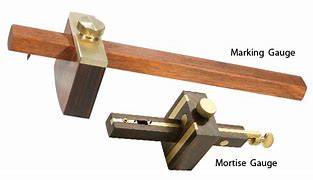
Mortise Gauge Types: Understanding the difference between a mortise gauge and a marking gauge is essential for woodworkers, as each tool serves a unique purpose. Mortise gauges are characterized by their two spurs that allow for simultaneous marking of both sides of a mortise, making them ideal for joinery tasks. In contrast, marking gauges typically feature a single spur, designed primarily for general marking purposes such as scribing lines along the grain or for layout work.

Combination gauges can serve dual purposes, which is particularly beneficial for woodworkers with limited workspace or for those just starting in the craft. While both tools are valuable in their own right, mortise gauges often provide greater precision for specific tasks compared to general marking gauges, making them a preferred choice for joinery projects. For instance, a woodworker working on a complex piece of furniture would likely choose a mortise gauge to ensure the mortises are marked accurately, whereas a marking gauge might be sufficient for simple line scribing. Understanding these distinctions can help woodworkers select the right tool for their specific needs.


Mortise Gauge Types Techniques for Enhanced Precision

To improve marking techniques when using a mortise gauge, lightly pressing the gauge is recommended to avoid damaging the wood and to ensure smoother markings. Highlighting scribed lines with a pencil can enhance visibility, making it easier to follow during cutting and chiseling. This step can be particularly useful when working on darker woods or intricate designs where the original line may be difficult to see.

Additionally, adjusting the spur to find the center of a workpiece by marking from both edges can help achieve more accurate results. This technique is especially useful in projects requiring symmetrical designs. Consistency is key; maintaining uniform pressure while marking will ensure that the depth of the line remains consistent across the entire marking. For angled cuts, adjusting the gauge to match the angle of the workpiece will provide better alignment and improve the overall quality of the cut. Mastering these techniques can dramatically enhance a woodworker’s efficiency and the precision of their work.

Features to Look for in a Mortise Gauge

When selecting a mortise gauge, several features should be considered to ensure versatility and functionality. Look for models with an adjustable spur that allows for easy modifications in marking different widths. A locking thumb screw is also beneficial, providing consistent distance settings that prevent accidental adjustments during use. This feature is particularly helpful when working on multiple joints of the same size, as it allows for quick and easy setting without the need for continuous recalibrating.

Ergonomics play a significant role in comfort and control, so evaluating the handle design is essential. Some mortise gauges feature built-in rulers or measuring scales, which can serve as quick references during marking, enhancing efficiency in woodworking tasks. Consideration of these features will help you choose a mortise gauge that best suits your needs and enhances your woodworking experience. Additionally, reading reviews or seeking recommendations can provide insights into the performance and longevity of different models, ensuring you invest in a quality tool.

Mortise Gauge Types Common Mistakes to Avoid

When using a mortise gauge, certain common mistakes can hinder accuracy and performance. One of the most significant errors is applying excessive pressure while marking, as this can damage the wood and lead to inaccurate lines. Finding the right balance in pressure is essential for achieving clean, precise markings. Regular maintenance should not be neglected, as it ensures the gauge remains functional and effective, thereby preventing issues that could arise from using a worn or damaged tool.

Moreover, it’s crucial to ensure that the gauge is correctly set before starting any marking to avoid incorrect measurements. Overlooking the importance of a clean marking surface can also lead to uneven lines and inaccurate cuts, which can affect the quality of the joints. Finally, failing to practice technique may result in inconsistent markings and poor joint fit. By being aware of these common pitfalls, woodworkers can improve their overall marking accuracy and project outcomes.

The Essential Role of Mortise Gauges in Woodworking

Mortise Gauge Types: Mortise gauges are indispensable tools for precise woodworking, particularly in joinery tasks. A thorough understanding of their features, uses, and maintenance can significantly enhance the quality of woodworking projects. The ability to accurately mark mortises is foundational to many furniture-making processes, allowing woodworkers to create strong and aesthetically pleasing joints. Mastery of the mortise gauge not only elevates a woodworker’s skills but also opens the door to more complex and intricate designs.

For instance, a skilled woodworker who can effectively use a mortise gauge can tackle sophisticated projects such as cabinetry with intricate inlays and dovetail joints. By utilizing this tool correctly and understanding its importance in the woodworking process, woodworkers can achieve results that reflect both precision and craftsmanship, ultimately elevating their work and reputation in the craft. The mortise gauge, therefore, stands as a testament to the importance of accuracy and skill in woodworking.

Profitable Woodworking Projects

Profitable Woodworking Projects: Crafting Your Way to Success

Profitable Woodworking Projects: Discover profitable woodworking projects to sell, from custom furniture to unique decorations, and learn effective marketing strategies to thrive in the DIY market.

Profitable Woodworking Projects

Understanding the Profit Potential in Woodworking

The woodworking market presents a substantial opportunity for profit, particularly for those who can identify high-demand projects. With a growing DIY culture, many consumers are seeking unique, handmade items that reflect personal taste and craftsmanship. This trend creates a favorable environment for woodworking entrepreneurs to thrive, especially when they leverage online platforms such as Etsy and Amazon Handmade, which provide access to a global customer base. Additionally, local markets and craft shows allow artisans to engage with customers directly, offering immediate sales and valuable feedback that can inform future projects. For example, a woodworker who participates in a craft show may discover that rustic furniture pieces are particularly popular, which can guide future production decisions.

Moreover, the potential for profit in woodworking is not limited to larger items like furniture. Small projects, such as handmade kitchen utensils or decorative home accents, can also yield significant returns. The key is to align products with current consumer interests while ensuring quality craftsmanship. By understanding market demands, woodworkers can create a diverse product line that appeals to various customer segments.

Profitable Woodworking Projects

Popular Woodworking Projects

Certain woodworking projects consistently prove to be profitable and in high demand. Furniture pieces, particularly tables and chairs, are perennial favorites among buyers and often command good prices due to their utility and craftsmanship. Wall décor and shelving units also have broad appeal, as they fit various home styles and serve functional purposes. For instance, a beautifully crafted rustic cutting board can not only be a kitchen essential but also a decorative piece that attracts attention at craft fairs. Items like custom shelves can be made to fit specific spaces in homes, enhancing their desirability.

Handmade wooden toys are gaining traction, especially those that are eco-friendly and crafted with care. These items appeal to parents looking for safe and unique gifts for their children. Custom furniture tailored to specific customer needs can also yield higher prices and attract niche markets, proving that personalization is key in the woodworking business. For example, a customer may request a custom-built bookshelf that fits a particular corner of their living room, allowing the woodworker to charge a premium for this tailored service.

Profitable Woodworking Projects Identifying Market Trends

Staying attuned to current market trends is vital for recognizing profitable woodworking projects. Seasonal trends can significantly influence what items sell best at different times of the year. For example, raised garden beds and planters see a surge in popularity during spring, while unique holiday-themed crafts tend to fly off the shelves in the winter months. Additionally, the minimalist trend in home decor has increased demand for simple, functional woodworking items, making it an excellent area for woodworkers to explore. A well-crafted wooden plant stand can serve both decorative and functional purposes, appealing to the modern homeowner.

Moreover, the growing emphasis on sustainability has spurred interest in eco-friendly materials and reclaimed wood projects, appealing to conscious consumers. Unique designs, such as state-shaped cutting boards, also draw in local buyers looking for something special and personalized. By tapping into these trends, woodworkers can enhance their product offerings and align them with consumer preferences. For instance, incorporating elements like live-edge wood in furniture pieces can appeal to those interested in natural aesthetics and sustainability.

Pricing Strategies

Determining the right pricing for woodworking items is crucial for ensuring profitability. Handmade wooden products should typically be priced higher than mass-produced counterparts to reflect their quality and craftsmanship. For instance, large cutting boards made from high-quality teak can be sold for around $200, allowing for substantial profit margins due to low material costs. A woodworker can further enhance their pricing strategy by offering various sizes or designs, appealing to different budgets.

It’s essential to establish a pricing formula that considers material costs, labor, and desired profit margins to sustain a woodworking business over time. Offering tiered pricing for various levels of customization can attract a broader customer base, as it gives buyers flexibility in choosing how much they wish to spend. Regularly reviewing competitor prices helps maintain competitiveness in the market, ensuring that offerings remain appealing to potential customers. A woodworker might discover that a similar product in their area is priced lower, prompting them to adjust their strategy or add value through unique features.

Importance of Quality Craftsmanship

Quality craftsmanship is fundamental to building a reputable woodworking business. Customers are often willing to pay a premium for well-crafted items that offer both longevity and aesthetic appeal. Craftsmanship directly affects customer satisfaction and can lead to repeat business, making it an essential aspect of any woodworking venture. A meticulously finished piece of furniture can stand out in a crowded market, attracting discerning buyers who appreciate fine details. For example, a custom dining table with intricate joinery and a flawless finish can become a centerpiece in a home, leading to referrals and repeat sales.

Investing in quality tools and materials not only enhances the final product but also promotes a sense of pride in the work produced. Developing a signature style can further distinguish a woodworking business in a competitive landscape, creating brand recognition and loyalty among customers. For instance, a woodworker known for their rustic, farmhouse-style furniture may develop a dedicated following, as customers come to expect that specific aesthetic from their creations.

Effective Marketing Techniques

To effectively market woodworking items, engaging in local markets or farmers’ markets can greatly enhance visibility and provide substantial sales opportunities. Utilizing social media platforms, such as Facebook Marketplace, is another valuable strategy for promoting handmade products and reaching a larger audience. Creating an engaging online portfolio showcasing completed projects can attract potential customers and help convey the unique value of each item. For example, regularly posting high-quality images of completed projects on Instagram can create buzz and draw in potential buyers.

Additionally, leveraging email marketing to inform customers about new products, promotions, and upcoming craft show appearances can drive sales and encourage repeat purchases. Collaborating with local businesses for cross-promotion can expand reach and introduce products to new customer segments, ultimately boosting sales and brand awareness. A partnership with a popular local café that sells handcrafted goods could provide exposure to a different customer base, increasing foot traffic and sales for both entities.

  Profitable Woodworking Projects Unique Woodworking Ideas

Exploring unique woodworking ideas can help products stand out in a competitive market. DIY projects crafted from scrap wood not only promote sustainability but can also be sold for profit. Creative items, such as driftwood art or custom pet furniture like dog beds, cater to specific interests and are popular among buyers. For example, a beautifully designed cat tree that incorporates natural wood elements can attract pet owners looking for stylish yet functional options for their furry friends.

Functional items, including toolbox organizers and lazy Susans, are in demand because they combine utility with aesthetic appeal. Unique game boards, like tic-tac-toe or checkers, can serve as excellent gifts and attract attention for their novelty. Additionally, wooden planters and garden accessories tap into the burgeoning interest in home gardening, making them timely and relevant products to offer. A bespoke wooden planter box with intricate carvings can not only serve a practical purpose but also become a striking addition to any garden.

Resources for Woodworking Plans

Numerous resources are available for aspiring woodworkers seeking project ideas and plans. Online platforms like Pinterest boast over 400 wood project ideas, catering to various interests and skill levels. Websites such as Anika’s DIY Life provide detailed instructions and inspiration for successful woodworking projects, making it easier for beginners to embark on their journeys. For example, a beginner can find a straightforward plan for building a coffee table that outlines every step, making the process less intimidating.

In addition, online forums and woodworking communities offer valuable tips and shared experiences that can aid in learning and skill development. YouTube channels dedicated to woodworking provide visual guidance, enhancing understanding and execution of various projects. Local libraries and community colleges often host workshops or provide resources for honing woodworking skills, making them excellent places to seek further education. With these resources, aspiring woodworkers can gather the knowledge necessary to create successful and marketable products.

Examples of Successful Woodworking Businesses

Successful woodworking businesses often thrive by specializing in high-demand items and effectively marketing their unique designs. Notable sellers highlight their craftsmanship and the quality of materials used, which resonates well with buyers. Success stories indicate that understanding customer preferences and market demand plays a vital role in profitability, allowing woodworkers to tailor their products accordingly. For instance, a company specializing in custom-made furniture may find that their unique designs lead to a loyal customer base willing to pay higher prices for personalized pieces.

Companies that focus on niche markets, such as custom furniture or unique gifts, tend to cultivate loyal customer bases, fostering long-term relationships and repeat sales. Building a brand around quality and sustainability can attract eco-conscious consumers and enhance a business’s reputation. Testimonials and reviews from satisfied customers can significantly influence new buyers’ decisions, further demonstrating the importance of positive customer experiences. A business that prominently displays customer reviews on their website may see increased trust and, consequently, sales.

Strategies for Long-Term Success in Woodworking

For long-term success in woodworking, continuously adapting to changing market trends is essential. Networking with other woodworkers and artisans can lead to collaborations and new business opportunities, enriching the creative process and broadening market reach. Additionally, investing in ongoing education and skill development can improve craftsmanship and inspire new project ideas. For instance, attending woodworking conventions or workshops can introduce woodworkers to new techniques or tools, expanding their skill set and enhancing their products.

Establishing a clear business plan with growth goals and marketing strategies is vital for maintaining focus and direction in a woodworking venture. Maintaining a strong online presence through a dedicated website and social media accounts can enhance visibility and attract potential customers. Regularly assessing customer feedback and market demand helps woodworkers refine their product offerings and improve sales, ensuring their business remains relevant and profitable over time. By consistently evaluating their strategies and adapting to consumer needs, woodworkers can position themselves for long-term success.

Essential Woodworking tools

Essential Woodworking tools:The Ultimate Woodworking Tools List

Essential Woodworking tools: Discover the must-have woodworking tools for every skill level, ensuring efficiency, safety, and precision in your projects.

A man working on a piece of wood

Importance of Having the Right Woodworking Tools

Having the right tools is critical for any woodworking project, as they significantly enhance efficiency, accuracy, and safety. When you use the correct tools, you minimize the chances of mistakes that can lead to wasted materials and time. For instance, employing a properly calibrated level to check for horizontal and vertical alignments ensures that your shelves and cabinets are perfectly straight, preventing future issues with alignment and functionality. This level of precision not only results in aesthetically pleasing outcomes but also contributes to the durability of the final product, allowing for greater satisfaction in your work.

Understanding the various types of woodworking tools available also aids in selecting the right equipment for specific project requirements. For example, a combination square is essential for ensuring squareness in cuts, while a sliding bevel is invaluable for marking angles accurately. Knowing which specific tools to use for different tasks allows woodworkers to streamline their processes and avoid costly mistakes that could compromise their projects. Moreover, investing in quality tools often leads to better performance and lower long-term costs, as superior tools tend to last longer and require fewer replacements.

Essential Hand Tools

Among the essential hand tools every beginner should have, a level is paramount. A 48” level and an 8” torpedo level provide the necessary precision for checking horizontal and vertical alignments, ensuring the accuracy of your projects. Using these tools can help you align shelves, cabinets, and frames, which is especially important in larger projects where even minor misalignments can become pronounced over time. Additionally, a sliding bevel is invaluable for marking angles; its adjustable and lockable feature makes it efficient for repetitive tasks. For example, if you’re building a set of angled cuts for a frame, a sliding bevel will ensure that all cuts are consistent.

Another critical tool is the combination square, which serves to verify squareness in both cuts and measurements. This tool ensures that joints fit together perfectly, reducing gaps and misalignments in your work. For intricate projects, such as cabinetry, the precision of a combination square can make a significant difference in the overall appearance and durability of the finished product. A well-constructed joint can withstand the test of time, while a poorly aligned one may lead to structural issues or aesthetic shortcomings.

Power Tools for Woodworking

Power tools are indispensable in woodworking, with several being essential for various tasks. A variable speed drill, for example, is incredibly versatile, allowing woodworkers to bore holes and drive screws effectively, making it suitable for a wide range of projects. This tool can be used for everything from assembling furniture to drilling pilot holes for dowels, making it a must-have for any woodworking enthusiast. Another essential power tool is the table saw, which is vital for making straight cuts, especially in larger pieces of wood like sheets or dimensional lumber. The reliability of a table saw can drastically reduce the time spent on cutting and enhance the precision of your work.

A router also plays a critical role in woodworking, as it can hollow out areas of wood, create decorative edges, and make joints. For instance, a router can be used to create intricate edge profiles on tabletops or to cut grooves for joinery. This tool adds detail and finesse to projects, enabling woodworkers to achieve a professional finish. Investing in quality power tools not only enhances the efficiency of your work but also allows for more creative expression in your projects. The right power tools can significantly elevate the quality of your woodworking.

Essential Woodworking tools Specialty Tools

For more advanced woodworking projects, specialty tools become essential. A dremel tool, for instance, is invaluable for detailed work such as engraving and carving, allowing craftsmen to create intricate designs on their projects. This tool is particularly useful for hobbyists who wish to add personalized touches to their furniture or for artists who want to incorporate fine detail into their woodwork. Additionally, a bench grinder is crucial for sharpening tools, ensuring that chisels and planes maintain their effectiveness throughout their use. Keeping your cutting tools sharp not only improves performance but also enhances safety, as dull tools can lead to slips and accidents.

In furniture making, a mortising machine is particularly important as it creates precise mortise and tenon joints, which are fundamental to strong and durable furniture. For example, when constructing a dining table, using a mortising machine can produce joints that are not only strong but also aesthetically pleasing. These specialized tools facilitate more complex tasks and improve the overall quality of the finished product, making them invaluable for serious woodworkers. Understanding how to use these tools effectively can significantly enhance your craftsmanship.

Tool Maintenance and Care

Proper maintenance of woodworking tools is vital for ensuring their longevity and optimal performance. Regularly checking and tightening bolts and screws can prevent accidents and keep tools functioning effectively. For example, a loose blade on a table saw can lead to inaccurate cuts or even injury, so routine inspections are essential for safety and performance. Regular maintenance routines should include checking for signs of wear and tear, cleaning dust and debris from tools, and ensuring that all moving parts are well lubricated to reduce friction.

Using appropriate lubricants on the moving parts of tools reduces friction and wear, enhancing their lifespan. A well-maintained tool not only performs better but also requires less frequent replacement, saving you money over time. Establishing a cleaning routine that includes wiping down tools after use to remove sawdust and moisture is also crucial for preventing rust and degradation. A simple practice like storing your tools in a dry environment can significantly extend their life. By implementing these maintenance practices, woodworkers can save money in the long run by prolonging the life of their tools and ensuring they function optimally whenever needed.

Safety Considerations

Safety should always be a priority when working with woodworking tools. Always read the manufacturer’s instructions and safety guidelines specific to each tool to ensure proper use and to prevent accidents. For instance, wearing safety glasses while operating power tools protects your eyes from flying debris, while ear protection can prevent hearing loss from loud equipment. It’s also wise to use dust masks when sanding or cutting wood, as wood dust can be harmful when inhaled.

Maintaining a well-lit and clutter-free workspace can significantly reduce the risk of accidents. Ensuring that tools are stored properly and that the working area is organized can help prevent mishaps that might occur from tripping over tools or materials. Implementing a well-stocked first aid kit in your workshop is also advisable, as it allows for quick treatment of minor injuries. Having a first aid kit on hand ensures that you are prepared for any accidents that may occur, making your workshop a safer environment overall.

Tool Storage Solutions

Effective organization and storage of woodworking tools are crucial for maintaining an efficient workspace. Utilizing drawer organizers within tool chests can keep small items like screws, nails, and drill bits sorted and easily accessible. This organizational method prevents the frustration of searching for misplaced items during a project, allowing for a smoother workflow. For larger tools, magnetic strips can hold metal items and keep them within easy reach while maintaining a tidy workspace. This not only saves time but also contributes to a safer environment by reducing clutter.

Considering climate-controlled storage options is also wise to prevent moisture damage to tools when they are not in use. Tools made of metal can rust if exposed to humidity, while wooden tools can warp. Investing in a dehumidifier for your workspace or utilizing silica gel packets can help maintain optimal conditions. Proper storage not only prolongs the life of your tools but also makes it easier to find what you need when starting a new project, enhancing overall productivity. The right storage solutions contribute significantly to a well-organized and efficient woodworking shop.

Tool Selection Tips

When selecting woodworking tools, it’s beneficial to attend workshops or classes to gain hands-on experience with various tools before making purchases. Engaging in woodworking communities or forums can also provide valuable insights and recommendations on tool brands and models from experienced woodworkers. These platforms offer a wealth of information, including reviews and practical advice that can guide beginners in making informed choices about their tool investments.

Evaluating the frequency of tool use is another effective strategy; investing in tools that are essential for regular projects is often more cost-effective than purchasing those used infrequently. For example, while a CNC router may be a fantastic tool for advanced projects, a beginner may find a simple hand saw more practical and necessary at first. This approach enables woodworkers to build a collection tailored to their specific needs, allowing them to focus on mastering their craft without being overwhelmed by too many tools.

Beginner Tool Checklist

Creating a beginner tool checklist can streamline the process of acquiring essential woodworking tools. A good starting point would include clamps of various types—pipe, F-style, and spring clamps—as they are critical for holding pieces together during assembly and glue-ups. These clamps are vital for ensuring that joints are secure while the adhesive sets, preventing misalignments that can compromise the strength of the finished piece. Including measuring tools such as a speed square and combination square ensures accuracy in cuts and measurements.

Don’t forget to list safety gear, including gloves and a face shield, to protect against common woodworking hazards. Safety gear should be viewed as an integral part of your tool collection rather than an afterthought, as it significantly reduces the risk of injury while working. By compiling this checklist, beginners can gradually build their tool collection based on project needs and skill development, ensuring a solid foundation for their woodworking endeavors. Starting with the right tools not only boosts confidence but also enhances the quality of the work produced.

Advanced Woodworking Tools

For those looking to take their woodworking skills to the next level, advanced tools can greatly enhance precision and creativity in projects. A CNC router is an excellent investment for automating precise cuts and designs, which can save time and effort on complex tasks. These machines enable woodworkers to execute intricate patterns and detailed designs that would be challenging to achieve by hand. Similarly, a lathe is necessary for woodturning projects, allowing for the creation of rounded shapes and intricate designs that are often sought after in fine furniture making.

Specialty saws, such as Japanese pull saws and dovetail saws, offer enhanced precision for fine joinery work, making them ideal for detailed projects. For example, Japanese pull saws are known for their ability to make clean, fine cuts with minimal effort, which is essential for delicate work. Investing in these advanced tools can elevate your woodworking craftsmanship and open up new possibilities for creative expression. Understanding how to use these tools effectively can significantly enhance the quality of your projects, allowing for more intricate designs and professional finishes.

Recap of Essential Woodworking Tools and Techniques

A well-rounded collection of woodworking tools is essential for efficiency and safety in various projects. Beginners should focus on acquiring essential hand and power tools while gradually expanding their collection based on specific project needs and personal skill development. This gradual approach allows woodworkers to build a toolkit that is both functional and tailored to their unique style and preferences.

Ongoing education through workshops and communities can also enhance woodworking skills and knowledge of tools. Engaging with fellow woodworkers provides opportunities to learn new techniques, discover innovative tools, and stay updated on industry trends. By staying informed and practicing regularly, woodworkers can continually improve their craft and enjoy the satisfaction that comes with creating high-quality projects. Building a strong foundation in woodworking tools and techniques ensures ongoing success and enjoyment in the craft.

Mastering Woodworking Routers

Mastering Woodworking Routers: Essential Tools, Techniques, and Tips for Crafting Perfection

Mastering Woodworking Routers: Discover the essential guide to woodworking routers, including types, uses, safety tips, and maintenance for your projects.


Understanding the Importance of Woodworking Routers

Woodworking routers are indispensable tools for enhancing accuracy in cutting joints, edges, and intricate patterns. These tools allow woodworkers to achieve precise and repeatable cuts, which are essential for creating professional-grade projects. For instance, when crafting custom cabinetry, a router can help ensure that the edges of doors and shelves align perfectly, contributing to both functionality and aesthetics.

Moreover, routers are versatile, capable of working with various materials, including hardwood, softwood, and composites. This adaptability makes them a valuable addition to any woodworking workshop, whether for a hobbyist or a professional carpenter. The ability to shape and finish wood with such precision opens up endless possibilities for creativity in woodworking projects.

Types of Woodworking Routers

There are several types of woodworking routers available, each designed to cater to different needs and projects. Router tables provide a stable platform for larger pieces, which allows users to perform more intricate work with enhanced precision. These tables can support various router applications, making them ideal for detailed tasks, such as edge profiling or creating complex joints.

On the other hand, cordless routers offer flexibility and portability that can be indispensable for onsite projects. For example, a carpenter working on-site may prefer a cordless model for its ease of transport and quick setup. Additionally, specialized routers, such as laminate trimmers, are tailored for working with thin materials like laminates and veneers, making them essential for specific tasks.

Essential Router Bits and Their Uses

Router bits are crucial for achieving different shapes and finishes in woodworking. Chamfer bits, for instance, are used to create beveled edges that add a professional touch to cabinetry and furniture. These bits can transform simple wood pieces into elegant designs, making them a staple for any woodworker aiming for high-quality craftsmanship.

Flush trim bits serve a different purpose; they are primarily utilized for trimming laminate flush to the substrate, ensuring a clean and seamless edge. Another essential type is the mortising bit, specifically designed to create mortises for strong joint connections in woodworking. This allows woodworkers to create robust structures that stand the test of time.

Safety Tips When Using a Router

Safety is paramount when using a router, as these tools can be dangerous if not handled properly. Always use the router with both hands to maintain control and stability while cutting. This technique not only enhances precision but also minimizes the risk of accidents, which can occur when the tool slips unexpectedly.

Ensuring that the work area is well-lit is equally important. A well-lit environment allows woodworkers to see their routing path clearly, further reducing the likelihood of mistakes. Familiarizing oneself with the router’s manual is also a critical step, as understanding specific safety features and guidelines can help prevent accidents and ensure safe operation.

Common Woodworking Projects Utilizing a Router

Woodworking routers are used in a variety of projects, showcasing their versatility. One common project is creating raised panel doors, which requires precise routing to achieve a professional appearance. This technique not only enhances the look of cabinetry but also adds value to the furniture piece.

Another popular application is routing grooves for inlays in tabletops. This artistic touch can elevate a simple piece of furniture to a stunning centerpiece. Additionally, routers are often employed to build dovetail joints, which significantly improve the strength and aesthetic appeal of drawers, making them a favorite among woodworkers aiming for both durability and beauty.

Woodworking Routers
Mastering Woodworking Routers

Maintenance Tips for Keeping Your Router in Good Condition

To ensure that a router remains in good condition, regular maintenance is crucial. Periodically lubricating the moving parts helps to ensure smooth operation and extends the life of the tool. This simple step can prevent wear and tear, keeping the router functioning optimally for years.

It’s also important to keep the router’s power cord and plug in good condition to prevent electrical hazards. Regular inspections of the motor and bearings are necessary, as wear on these components can severely affect performance over time. By staying proactive with maintenance, woodworkers can avoid costly repairs and replacements.

Maximizing the Use of Woodworking Routers

To make the most out of woodworking routers, experimenting with different router bits can significantly expand the range of projects one can undertake. Additionally, utilizing jigs and templates can enhance precision and repeatability, making routing tasks easier and more efficient.

Participating in workshops or online courses is another effective way to learn advanced routing techniques and best practices. These educational opportunities can provide valuable insights, helping woodworkers refine their skills and tackle more complex projects. By continuously learning and adapting, woodworkers can elevate their craft to new heights.

You cannot copy content of this page