Best Woodworking f Clamps

Mastering Woodworking: The Ultimate Guide to Choosing the Best F Clamps

Best Woodworking f Clamps. Discover the best F clamps for woodworking, including key features, popular brands, and tips for effective use and maintenance.

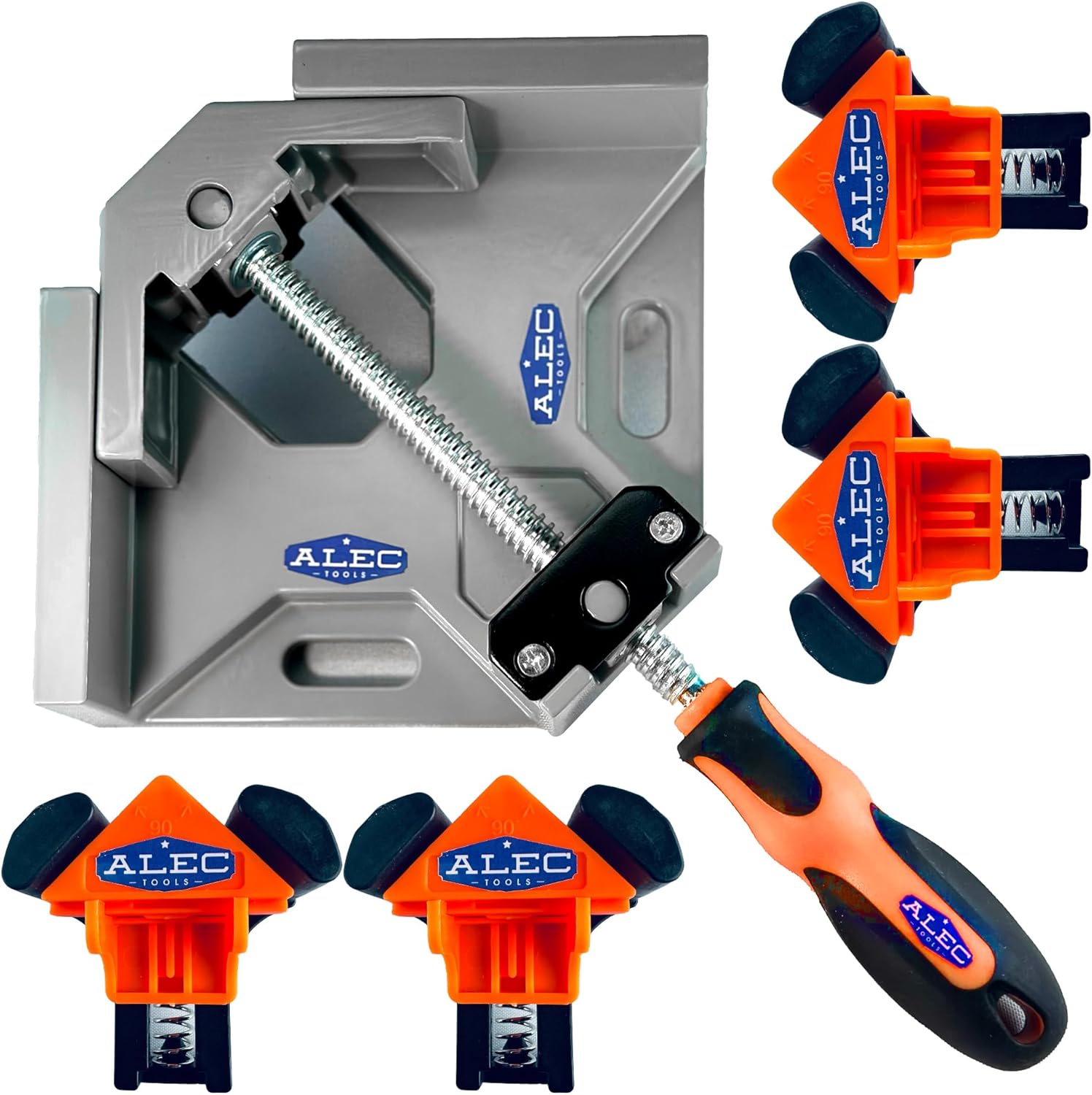
90° Corner Clamps for Woodworking - Adjustable Aluminum Alloy Wood Clamps for Framing, Welding, Cabinetry, Furniture Making - Non-Slip Rubberized Handle - Includes 4 Plastic Corner Clips
Best Woodworking f Clamps From Amazon

Understanding F Clamps and Their Importance in Woodworking

F clamps, commonly referred to as F-style clamps, are indispensable tools for woodworkers. They are specifically designed to hold wooden pieces together during essential processes like assembly and gluing, ensuring stability and accuracy as projects come together. The construction of these clamps includes a threaded screw mechanism, which allows for precise adjustments enabling the woodworker to exert a strong clamping force. This design is particularly advantageous because it can accommodate a range of thicknesses and shapes, making it a versatile addition to any toolbox.

One of the primary benefits of using F clamps is their ability to distribute pressure evenly across the entire surface of the wood. This feature significantly reduces the risk of warping, splitting, or damaging the workpiece, which is a common concern during woodworking projects. For example, when assembling a cabinet, using an F clamp ensures that the joints are held firmly in place while the glue cures, resulting in a sturdy and well-aligned final product. Their versatility extends to various applications, such as joinery, panel glue-ups, and even intricate furniture assembly, further establishing their importance in woodworking tasks.

Best Woodworking f Clamps

Key Features to Look for in F Clamps

When selecting F clamps, several key features should be taken into consideration to ensure you make the best choice for your specific woodworking needs. Size is one of the most critical factors, as F clamps typically come in a range from 12 inches to 50 inches, which accommodates different project dimensions and requirements. For instance, a 24-inch F clamp might be ideal for smaller projects like picture frames, while a 50-inch clamp would be more suitable for larger assemblies, such as tabletops or cabinets.

Material composition is another essential consideration; F clamps can be made from steel or aluminum, with heavy-duty options offering superior strength and longevity. For example, a steel F clamp is likely to withstand more pressure without bending compared to an aluminum one. Additionally, the clamping force is crucial for effective performance. Deep-throated clamps provide higher pressure and flexibility, making them particularly useful for various woodworking tasks. A specific model, such as the Bessey Deep Throat Clamp, is praised for its ability to handle thicker materials with ease. Protective pads on the jaws also play a vital role in preventing damage to delicate surfaces, making these features fundamental when evaluating potential clamps.

Comparison of Popular F Clamp Brands

Several brands have established themselves as leaders in the manufacturing of F clamps, each offering unique attributes that cater to different woodworking needs. Bessey clamps, especially the K-body Revo series, are highly esteemed for their durability and effectiveness in evenly distributing pressure during glue-ups. This type of clamp is favored among both professionals and hobbyists, making it a reliable choice for anyone looking to invest in quality tools.

Another notable brand is Jorgensen, which is renowned for its reliability and robust construction, making it a popular choice among woodworkers in the U.S. who appreciate American-made tools. Furthermore, vintage Wetzler clamps have become highly sought-after collectibles due to their solid build quality, although they are no longer manufactured. Irwin clamps, on the other hand, are recognized for their affordability and decent performance, making them an excellent entry-level option for beginners. Each of these brands offers a variety of clamp types and sizes, emphasizing the importance of selecting the right clamp for the task at hand.

When considering the best F clamp for your project, it can be beneficial to read reviews and seek recommendations from fellow woodworkers. For example, forums and community discussions often highlight specific models that outperform others in terms of durability and ease of use. This feedback can be invaluable, helping you to make an informed decision based on real-world experiences and preferences of other woodworkers in the field.

Advantages of Using F Clamps

The advantages of using F clamps in woodworking extend far beyond their basic functionality. One of the most significant benefits is their versatility; F clamps can be employed across a variety of tasks, whether you are working on small projects like drawers or larger assemblies such as entire tables. Their ability to provide pinpoint pressure is especially beneficial when clamping items to workbenches, ensuring that components remain securely attached during intricate tasks that require a steady hand.

Moreover, F clamps are typically lighter than many other heavy-duty clamps, making them easier to handle during lengthy projects or when frequent adjustments are necessary. For example, when assembling a complex piece of furniture, the lightweight nature of F clamps allows for quick repositioning and adjustments without straining the woodworker’s hands or arms. This ease of use not only enhances productivity but also contributes to a more enjoyable woodworking experience, as the focus can remain on the creative aspects rather than managing cumbersome tools.

Another advantage is the quick adjustment capabilities that F clamps offer. Many models come with a simple mechanism for tightening and loosening the clamp, allowing for efficient workflows, especially in a busy workshop environment. This feature is particularly advantageous when multiple clamps are needed for a project, as it saves valuable time and effort during setups and adjustments. Ultimately, the combination of versatility, ease of use, and efficiency makes F clamps a vital component of any woodworking arsenal.

Tips for Effective Use of F Clamps

Maximizing the effectiveness of F clamps in woodworking involves employing several best practices that can enhance both the quality of the work and the longevity of the clamps themselves. One useful technique is to utilize cauls, which can help distribute pressure evenly across the surfaces being clamped. This is especially important when working with delicate materials that may be prone to marring or damage during the clamping process.

Another critical consideration is to avoid over-tightening the clamps. While it may be tempting to exert maximum pressure to achieve a strong bond, it is often unnecessary and can lead to surface damage or misalignment. A practical approach is to apply moderate pressure and periodically check the joint to ensure it is secure without compromising the material. For larger glue-ups, combining F clamps with other types of clamps, such as pipe clamps, can provide additional strength and versatility that is beneficial for handling larger workpieces.

Before applying F clamps to the final workpiece, it is advisable to test the clamp pressure on scrap material. This practice allows the woodworker to gauge the effectiveness of the clamp and make any necessary adjustments before committing to the actual project. Utilizing multiple clamps throughout a project can also ensure consistent pressure across different sections, which enhances the overall joint strength and integrity. By following these tips, woodworkers can achieve better results and extend the life of their clamps.

Common Mistakes to Avoid with F Clamps

While F clamps are generally straightforward to use, there are common mistakes that can hinder efficiency and compromise the quality of woodworking projects. One significant error is overlooking the throat depth; selecting clamps with the appropriate throat depth is crucial for achieving adequate clamping on various projects, as using an unsuitable size can lead to inadequate pressure distribution.

Using mismatched clamp sizes can also slow down project progress. It is essential to maintain a variety of sizes in your toolkit to ensure that you have the right tool for each job, which can make a substantial difference in efficiency and effectiveness. Regularly checking for rust or damage is another necessary maintenance practice; compromised clamps can lead to poor performance, and neglecting this can result in frustration during critical phases of a project.

Additionally, relying solely on one type of clamp can limit versatility. While F clamps are excellent for many applications, having a range of clamp styles available allows for better adaptation to different tasks. This adaptability can be pivotal when tackling intricate projects or those that require specialized clamping techniques. Lastly, failing to clean clamps after use can lead to the buildup of glue residue, which can significantly impact their clamping ability over time. By being aware of these common pitfalls, woodworkers can enhance their productivity and achieve better results in their projects.

Maintenance and Care for F Clamps

Maintaining and caring for F clamps is essential for ensuring their longevity and consistent performance. One of the most effective practices is to clean F clamps after each use to remove glue residue that can affect their functionality in future projects. A simple wipe-down with a damp cloth after each session can prevent buildup that leads to rust or sticking mechanisms over time.

Storing clamps properly is equally important. Keeping them in a dry environment helps prevent rust and deterioration, which can compromise their structural integrity and clamping performance. Furthermore, inspecting screws and mechanisms periodically for signs of wear and tear is crucial. This practice allows woodworkers to identify potential issues before they become serious problems, ensuring that clamps remain reliable tools in their collection.

Lubricating moving parts with light machine oil can ensure smooth operation and prevent sticking, making it easier to adjust clamps during use. Avoiding direct sunlight or damp areas will also prolong their lifespan, as exposure to these elements can lead to quicker deterioration of materials. By implementing these maintenance strategies, woodworkers can significantly enhance the life and efficiency of their F clamps, ensuring they remain valuable assets in their toolkit.

F Clamps vs Other Clamp Types

When comparing F clamps to other types of clamps, several distinct advantages emerge that highlight their effectiveness for woodworking applications. F clamps excel in providing parallel clamping, which is essential for achieving even pressure across the workpiece. This feature sets them apart from C clamps, which may not distribute pressure as uniformly and can lead to potential warping or misalignment.

While parallel clamps are often preferred for larger projects requiring significant pressure, F clamps showcase their strengths in smaller, more precise applications. For instance, when working on delicate pieces or intricate joints, the control offered by F clamps is invaluable in ensuring a secure hold without causing damage. Other clamp types, like bar clamps, can exert more pressure than F clamps, making them suitable for large glue-ups; however, they may be less convenient for smaller tasks due to their weight and bulkiness.

Ratcheting clamps provide quick-release features that can be useful for temporary holds, yet they may not offer the same level of grip and security as F clamps in demanding applications. Similarly, spring clamps are easier to use for quick, light tasks but lack the adjustable pressure capabilities that F clamps provide, limiting their effectiveness in more complex projects. Overall, the choice between clamp types should be guided by the specific requirements of the project, ensuring woodworkers select the most suitable tools for their needs.

Clamps in Furniture Making

F clamps are particularly advantageous in the realm of furniture making, where their ability to provide strong, even pressure during glue-ups and assembly is crucial for achieving high-quality results. When working on furniture pieces, the precision and stability offered by F clamps can significantly influence the durability and aesthetics of the final product. They can also be effectively utilized for edge banding, which is essential for achieving smooth and professional finishes on various furniture elements.

Understanding the specific pressure requirements for different materials can further enhance the effectiveness of F clamps in furniture projects. For example, when working with hardwoods, it may be necessary to apply more pressure than when working with softer woods. F clamps also play a vital role in creating joints like mortise and tenon, providing essential support while the glue cures. This capability is particularly beneficial when constructing items like tables, chairs, or cabinets, where joint strength is critical for long-term use.

The ability to easily reposition F clamps during assembly allows for adjustments without compromising the workpiece’s integrity. This feature is especially useful during complex furniture designs, where multiple components must fit together perfectly. By strategically placing F clamps, woodworkers can ensure that every joint is secure and aligned, paving the way for a successful and visually appealing final product.

Maximizing the Use of F Clamps in Woodworking

To maximize the effectiveness of F clamps in woodworking, experimenting with various clamping techniques is essential. One method involves utilizing multiple clamps or staggered placements, which can significantly improve joint quality by ensuring that each section receives adequate pressure during assembly. This technique disperses the clamping force evenly and reduces the likelihood of distortions in the material.

Incorporating clamps into jigs can also enhance precision in repetitive tasks, streamlining the overall woodworking process. For instance, when making multiple identical cuts or joints, using a jig with strategically placed F clamps allows for consistent results across all pieces. Learning to use F clamps alongside other tools, such as routers and saws, can further elevate the quality of craftsmanship, facilitating more intricate designs and finishes.

Training in proper clamping techniques is vital for reducing the risk of joint failure and improving overall project outcomes. Understanding the nuances of applying pressure and the importance of clamp placement can lead to more robust and aesthetically pleasing results. Regularly reviewing and updating clamping strategies based on project requirements will enhance efficiency and effectiveness in woodworking, ensuring that woodworkers adapt their techniques to meet evolving standards and challenges.

Conclusion: Making an Informed Choice for Clamps

Selecting the right F clamps is crucial for successful woodworking projects. It’s essential to consider factors such as size, material, and brand reputation when making a choice. The effective use and maintenance of F clamps can significantly impact the quality of outcomes in woodworking endeavors.

Investing in a variety of clamps, including F clamps, is recommended to accommodate the diverse tasks that arise during woodworking projects. Understanding your specific project needs will guide the selection process, ensuring optimal results every time. A well-rounded toolkit with quality clamps not only improves efficiency but also enhances the overall satisfaction of woodworking endeavors.

Woodworking Face Mask With Filter

Breathe Easy: The Essential Guide to Woodworking Face Masks with Filters

Woodworking Face Mask With Filter: The essential guide to choosing and using woodworking face masks with filters to protect your respiratory health while working with wood.

Woodworking Face Mask With Filter

Importance of Respiratory Protection in Woodworking

Woodworking creates fine particles that can easily become airborne. For instance, when sanding down wood surfaces, tiny particles are released into the air, which can be inhaled, potentially leading to severe respiratory complications over time. Exposure to wood dust can lead to conditions such as woodworker’s lung, which is a form of hypersensitivity pneumonitis and can cause chronic inflammation of the lungs.

The health risks associated with wood dust exposure are not to be taken lightly. Many woodworking enthusiasts have reported experiencing improved breathing and reduced allergy symptoms when they consistently wear masks during their projects. This observation highlights the immediate benefits of protective measures when engaging in woodworking activities, which often involve prolonged exposure to harmful particulates. Woodworkers who prioritize respiratory protection not only enhance their comfort during projects but also significantly mitigate the risk of developing long-term respiratory issues.

Types of Woodworking Dust Masks

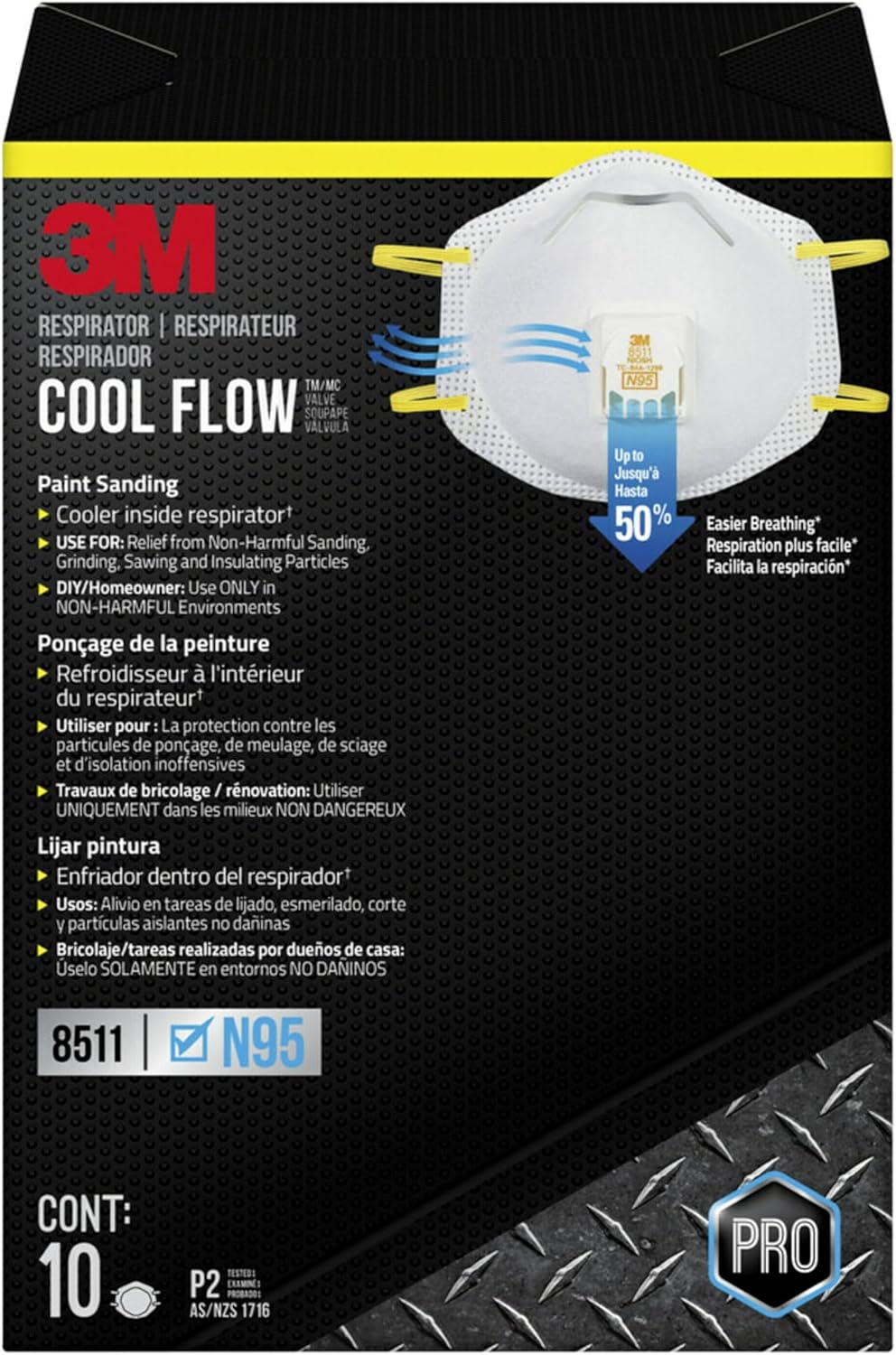
Woodworking Face Mask With Filter.  When it comes to woodworking dust masks, there are several types available, each offering varying levels of filtration efficiency. N95 masks are among the most commonly recommended, as they filter out at least 95% of airborne particles, including harmful dust and allergens. These masks are particularly effective during tasks like sanding or cutting, where fine particles are prevalent. On the contrary, P100 masks provide even superior filtration, blocking 99.97% of fine particles, which is especially crucial for woodworkers operating in environments with high dust levels.

Moreover, the choice between half-face and full-face respirators can significantly impact the level of protection one receives. While half-face masks are suitable for moderate tasks and offer good comfort, full-face respirators provide comprehensive protection, including coverage for the eyes, which is beneficial when working with finishes and adhesives that may irritate or damage the eyes. For example, a woodworker applying a lacquer finish may prefer a full-face respirator to ensure complete protection from harmful vapors. Disposable dust masks are also available for short tasks; however, they may not provide adequate protection for prolonged exposure, making them less suitable for extensive woodworking sessions.

Importance of Wearing a Face Mask

Wearing a face mask while woodworking is crucial due to the harmful dust and VOCs produced during various tasks. These particles can lead to respiratory issues, and the danger is amplifying with prolonged exposure. For example, fine wood dust can penetrate deep into the lungs, potentially leading to chronic respiratory diseases such as asthma, bronchitis, and even lung cancer in severe cases.  Woodworking Face Mask With Filter. Proper mask usage is an essential component of a comprehensive safety strategy that should also include other protective gear like goggles and ear protection to ensure overall safety while working.

The benefits of wearing a mask extend beyond respiratory health. Exposure to wood dust can also adversely affect skin health, resulting in irritation or allergic reactions. This makes it vital for woodworkers to wear masks not only for lung protection but also as a safeguard against skin issues. For instance, an individual sanding a rough piece of pine might experience skin irritation from the dust particles settling on their skin, reinforcing the need for comprehensive protective measures. By adopting the habit of wearing a mask, woodworkers can protect themselves from immediate discomfort and long-term health complications.

Filters Available for Woodworking Masks

Filters play a crucial role in the effectiveness of woodworking masks, as they determine the level of protection against hazardous particles. P100 filters are highly regarded for optimal dust protection, as they block 99.97% of particulates, making them highly effective in environments with heavy dust exposure. Some masks are designed with interchangeable filters that allow users to tailor their protection based on specific dust and chemical exposures. For example, a woodworker may choose to use a filter specifically designed to capture fine dust particles while swapping it out for an activated carbon filter when working with chemical vapors from adhesives or finishes.

Activated carbon filters significantly enhance the protection provided by masks against harmful chemical vapors and odors, which can be prevalent during woodworking. Masks equipped with HEPA filters capture even smaller particles, offering superior filtration capabilities, making them ideal for those who work in extremely dusty environments. It is essential to ensure that the filters are compatible with the mask model to maintain proper functionality and safety. Regular filter replacement is also necessary to ensure that the mask continues to provide adequate protection, particularly in high-dust scenarios, as clogged or dirty filters can diminish the mask’s effectiveness.

Choosing the Right Mask for Woodworking

Selecting the appropriate mask for woodworking projects involves several considerations, particularly regarding the type of tasks and the level of dust exposure. Fit and comfort are critical factors; masks should create a tight seal to prevent dust from entering. A poorly fitting mask can lead to gaps that allow dust to bypass the filter, rendering it ineffective. Masks with adjustable straps can provide a better fit, enhancing comfort during extended use, which is especially important for those who may spend hours in their workshops.

Moreover, researching user reviews and professional recommendations can assist in finding the best mask suited for specific woodworking activities. For instance, a woodworker who primarily engages in detailed sanding may prefer a lightweight N95 mask for comfort, while someone who frequently applies finishes might opt for a full-face respirator for comprehensive protection. Ensuring that the mask complies with safety standards set by organizations such as NIOSH is also crucial. This compliance guarantees that the selected mask meets established guidelines for respiratory protection, providing peace of mind for woodworkers.

Maintenance and Care for Woodworking Masks

Proper maintenance and care of woodworking masks are essential to ensure their effectiveness and longevity. Regularly inspecting masks for wear and tear is important; if any damage is detected, the mask should be replaced immediately to maintain the highest level of protection. Reusable masks should be cleaned according to the manufacturer’s instructions to ensure they remain effective, while filters should be replaced periodically, especially in environments with significant dust exposure. For example, a mask used daily in a high-dust shop may require filter replacement every few weeks, whereas one used occasionally may last longer.

Storing masks in a clean, dry place is vital to prevent contamination and degradation of materials. Improper storage can lead to the development of mold or bacteria, which can pose additional health risks when the mask is worn. It is advisable to avoid sharing masks to maintain personal hygiene and prevent the spread of respiratory illnesses. By following these maintenance steps, woodworkers can ensure their masks continue to provide the necessary protection during projects, contributing to overall health and safety in the workshop.

Recommended Brands for Woodworking Masks

When it comes to selecting a brand for woodworking masks, several options stand out due to their reputation for quality and effectiveness. 3M Respirators are often highly recommended by woodworking enthusiasts for their comfort and reliability across various tasks. These masks are known for their advanced filtration systems, making them a popular choice for both amateur and professional woodworkers. The GVS Elipse P100 is another excellent option, noted for its lightweight design and suitability for extended wear, providing woodworkers with a comfortable option for long project sessions.

Other brands like RZ Masks and Trend Stealth are increasingly popular for their airflow and compact designs, respectively, which appeal to users who prioritize comfort without sacrificing protection. Parcil Safety masks offer versatile respirators with interchangeable filters, allowing users to customize their protection based on the specific tasks they are performing. For instance, Parcil Safety’s masks can be equipped with filters tailored for both dust and chemical protection, making them suitable for diverse woodworking scenarios. Brands like Dräger are particularly useful for tasks involving VOCs, providing good protection against harmful fumes. Ultimately, personal preferences and experiences play a significant role in selecting the best mask for individual woodworking needs.

Woodworking Face Mask With Filter User Experiences and Preferences

User experiences and preferences regarding woodworking face masks vary widely, with many enthusiasts sharing their insights and recommendations. Full-face masks are often favored by those working with chemicals due to the comprehensive protection they offer, ensuring that both the respiratory system and eyes are safeguarded from harmful substances. Comfort is another essential aspect for users; many emphasize the importance of proper sizing to avoid discomfort, particularly around the nose and face, which can be a common issue during prolonged use.

Feedback from users frequently highlights the importance of breathability and ease of filter replacement. A mask that allows for easy filter swaps can significantly enhance the user experience, especially for those who frequently switch between tasks. Trying different models to determine the best fit and comfort level is a common recommendation among woodworking communities, as individual needs vary greatly. Users often share their experiences with specific brands and models, which can be beneficial for newcomers to woodworking or those looking to upgrade their safety gear.

BASE CAMP Upgrade M Plus Dust Mask, Dust Face Mask with 6 Activated Carbon Filters
Woodworking Face Mask With Filter From Amazon

Woodworking Face Mask With Filter Health Risks of Not Wearing a Mask

Neglecting to wear a face mask while woodworking can lead to serious health risks that can accumulate over time. Inhalation of fine dust can contribute to chronic respiratory diseases, reduced lung function, and can even create permanent damage to lung tissue if exposure is frequent and prolonged. For instance, woodworkers may unknowingly inhale dust particles that can lead to severe conditions, such as allergic reactions or chronic bronchitis, over years of exposure. Additionally, exposure to VOCs from adhesives and finishes can result in health issues such as headaches, dizziness, and respiratory irritation.

The long-term risks of not wearing a mask extend beyond immediate symptoms. Studies have shown that consistent exposure to wood dust without adequate protection may increase the risk of developing specific types of cancer associated with certain woods, such as those containing toxic compounds like formaldehyde. For individuals with pre-existing conditions, such as asthma or allergies, the lack of respiratory protection can exacerbate symptoms and lead to serious health complications. Evidence indicates that woodworkers who regularly use protective masks experience significantly better health outcomes, underscoring the importance of incorporating respiratory protection into woodworking practices.

Summary of Key Takeaways on Woodworking Face Masks

Selecting the right woodworking face mask with a filter is essential for ensuring health safety while working on projects. Prioritizing respiratory protection in all woodworking activities can lead to a more enjoyable and safer experience. Regular maintenance and ensuring a proper fit are crucial for maximizing the effectiveness of masks.

The potential health risks associated with ignoring respiratory protection underscore the need for quality masks as part of woodworking safety gear. Woodworkers are encouraged to invest in good-quality masks and integrate them into their safety practices to safeguard their health while indulging in their craft. Taking these precautions not only protects individual health but also contributes to the overall safety culture within the woodworking community.

Woodworking Dowel Pins

Mastering Woodworking Dowel Pins: Your Ultimate Guide to Strong and Stylish Joints

Woodworking Dowel Pins: Discover the essential guide to woodworking dowel pins, including types, sizes, installation techniques, and their advantages for strong, hidden joints.

Woodworking Dowel Pins

Understanding Woodworking Dowel Pins

Woodworking dowel pins are cylindrical rods utilized primarily to reinforce joints in furniture and cabinetry projects, providing substantial strength and stability. These pins are generally made from hardwood materials, notably birch, known for its durability and strength, making them a reliable choice for various woodworking applications. Their design allows for seamless integration into projects, enhancing both the structural integrity and the aesthetic appeal of the finished product. For instance, when constructing a wooden chair, dowel pins can be used to join the legs to the seat, ensuring a secure connection that can withstand regular use.

The manufacturing process of dowel pins typically involves precise cutting and sanding to create a smooth finish. This smoothness aids in the insertion process, allowing woodworkers to fit the dowel pins into drilled holes without damaging the surrounding wood. The choice of hardwood in the production of dowel pins is crucial as it provides the necessary strength to support heavy loads, especially in furniture like cabinets and tables, where stability is paramount. This focus on quality ensures that the dowel pins will not only perform well but also last over time, making them a wise investment for any woodworking project.

Types of Dowel Pins

Various types of dowel pins are available for woodworking projects, each designed with specific advantages in mind. For example, fluted dowel pins have grooves that significantly enhance glue adhesion, resulting in a stronger joint than solid dowel pins. The fluted design allows for better glue distribution, which is essential when creating durable joints in larger projects, such as a dining room table. Additionally, there are dowel pins made from different materials, including metal and plastic, which can be beneficial in applications where moisture resistance is crucial, such as in outdoor furniture.

Specialty dowel pins, such as spiral or threaded dowels, provide additional grip and holding power, making them suitable for specific applications. For instance, threaded dowels are particularly effective in high-stress environments where extra security is needed, like in the assembly of heavy bookshelves. Furthermore, dowel pins come in a variety of finishes, including untreated, stained, and painted options, allowing woodworkers to choose the best match for their project aesthetics. This versatility makes dowel pins an indispensable tool in any woodworker’s toolkit.

Dowel Sizes

Dowel pins are available in standard sizes, such as 1/4″, 5/16″, and 3/8″, which cater to a wide range of woodworking needs. The lengths of dowel pins can vary significantly, with some options extending up to 2″ for fluted dowel pins. Choosing the correct size of dowel pins is vital for ensuring a snug fit, which directly affects the strength and durability of the joint being created. For example, using a 1/4″ dowel pin for a lightweight project like a small shelf can provide adequate support, while a 3/8″ pin may be necessary for larger, heavier pieces like a dining table.

Some suppliers even offer custom sizes to accommodate unique project specifications. This can be particularly beneficial for intricate woodworking tasks where standard sizes may not suffice. For instance, a craftsman creating a custom piece of furniture may require a specific dowel length that is not commonly available. Ultimately, having a range of dowel pin sizes at one’s disposal allows for greater flexibility and creativity in woodworking projects.

Installation Techniques for Dowels

Woodworking Dowel Pins
Woodworking Dowel Pins From Amazon

Proper installation of dowel pins is essential to achieving strong and reliable joints. The process begins with accurately drilling holes that correspond to the size of the dowel pins, ensuring a secure fit that will withstand stress and load. A doweling jig can dramatically improve alignment and precision during this installation process, significantly reducing the risk of errors that could compromise the joint. For example, when assembling a cabinet, using a doweling jig ensures that the dowel pins align perfectly, creating a sturdy frame.

Pre-drilling pilot holes is another effective technique that can prevent wood from splitting during the insertion of dowel pins. This extra step is particularly important in hardwoods, which can be prone to cracking if not handled carefully. Additionally, applying glue to the dowel pin before insertion enhances the bond within the joint, promoting longer-lasting durability. This technique is especially useful in projects like bookcases, where the joints will bear weight over time.

Advantages of Using Dowel Pins

Utilizing dowel pins in woodworking offers several key advantages over traditional screws. One of the most significant benefits is the way dowel pins distribute stress across the joint evenly, resulting in a stronger and more durable connection. This is particularly important in applications where joints are subjected to heavy loads, such as in furniture pieces like beds or tables. Unlike screws, which can strip their holes and loosen over time, dowel pins tend to maintain their grip, providing long-lasting stability.

Another advantage of dowel pins is their ability to create a cleaner, more aesthetic finish since they can be concealed within the joint once the project is assembled. This feature is crucial for fine woodworking projects, where the appearance of the final product is essential. For example, a beautifully crafted cabinet that utilizes dowel pins will have no visible hardware, creating a seamless look. Dowel pins also simplify disassembly for repairs or modifications, enabling woodworkers to maintain their projects without causing damage. This practicality further solidifies dowel pins as a preferred method for joining wood in many woodworking applications.

Common Applications for Dowel Pins

Dowel pins see frequent use in various woodworking applications, particularly in furniture assembly. They provide a reliable means of connecting the legs to tabletops or joining panels in cabinetry, ensuring a sturdy construction. For instance, when building a coffee table, dowel pins can be used to securely attach the table’s legs to its surface, providing stability for everyday use. This application showcases the versatility and reliability of dowel pins in everyday furniture.

In addition to furniture, dowel pins are also popular in DIY projects, such as shelving and crafting. They are commonly used in constructing wooden toys and models, where secure connections are vital for safety and durability. For example, a wooden toy car can be assembled using dowel pins to join the body and wheels, ensuring that the toy holds up to playtime. This versatility demonstrates how dowel pins can be effectively utilized across various woodworking endeavors, catering to both functional and aesthetic needs.

Tools for Working with Dowel Pins

To work with dowel pins effectively, several essential tools are needed. A doweling jig is crucial for aligning and drilling holes accurately, which is vital for ensuring that the dowel pins fit properly. A drill is necessary for creating the holes into which the dowel pins will be inserted, while clamps help secure pieces together during assembly. For instance, when constructing a cabinet, clamps are invaluable for holding pieces in place while the glue dries.

A dowel pin punch can also be an essential tool to ensure precise insertion and alignment of the dowel pins, which enhances the quality of the joint. Additionally, using a drill bit specifically designed for dowel pin installation can improve accuracy and fit, making the installation process smoother. Measuring tools, like calipers, can help ensure that dowel pins and holes are sized correctly, which is crucial for optimal joint strength. These tools collectively enhance the efficiency and effectiveness of working with dowel pins, ensuring successful woodworking projects.

Dowel Pin Techniques

Employing specific techniques can significantly enhance the quality of woodworking projects involving dowel pins. The “double dowel” technique, for instance, involves using two dowel pins in a joint, providing additional reinforcement that is particularly beneficial in larger projects. This method is often applied in constructing large dining tables or heavy furniture, where extra strength is required.

Utilizing glue alongside dowel pins can further increase the durability of the joint and minimize the chance of failure under stress. A technique such as staggered dowel placements can help distribute stress evenly within larger panels, preventing joint failure and improving overall strength. For example, in a large cabinet project, staggering the dowels ensures that weight distribution is balanced, which is essential for maintaining stability. Using a doweling template can also ensure consistent spacing and alignment for multiple dowels in a project, thereby enhancing the quality and precision of the finish.

Strength and Alignment with Dowel Pins

Dowel pins significantly contribute to the strength and alignment of joints in woodworking. They help prevent misalignment during assembly, which can lead to joint failure if not addressed properly. For example, when building a frame for a picture, proper alignment of dowel pins is essential to ensure that the frame is square and stable. The fluted design of certain dowel pins allows for superior glue dispersion, further enhancing the integrity of the joint.

Moreover, dowel pins can withstand high shear forces, making them suitable for load-bearing applications. This is particularly important in furniture construction, where joints may be subjected to significant stress over time. Proper alignment during installation is critical, as misaligned dowels can weaken the joint and lead to potential failures in the structure. By ensuring that dowel pins are correctly aligned and installed, woodworkers can create sturdy and reliable constructions that will last for years.

Where to Buy Woodworking Dowel Pins

High-quality wooden dowel pins are readily available from various suppliers, making it easy for woodworkers to find the right products for their needs. For example, WidgetCo offers an impressive range of dowel pins made from 100% pure birch hardwood, catering to different furniture and craft projects. Their commitment to quality ensures that woodworkers can rely on their products for durability and performance.

Online platforms like Amazon provide a vast selection of dowel pins, often with customer reviews that help guide purchasing decisions. This accessibility is crucial for woodworkers who may require specific dowel sizes or types quickly. Local hardware stores typically stock dowel pins in various sizes and types, allowing for immediate needs to be met without delay. Additionally, specialty woodworking supply stores may offer unique dowel pin options that are not found in general retail outlets, giving woodworkers access to exclusive products that can elevate their projects.

Key Takeaways on Woodworking Dowel Pins

Woodworking dowel pins are essential components for creating strong, aesthetically pleasing joints in a variety of projects. Understanding the different types of dowel pins, their sizes, and installation techniques can significantly enhance the quality of woodworking endeavors. By using the right tools and techniques, woodworkers can optimize the use of dowel pins, thereby improving the overall craftsmanship and durability of their projects. Whether one is a seasoned professional or a hobbyist, mastering the art of using dowel pins can lead to more successful and satisfying woodworking experiences.

Woodworking Draw Knife Tool

Mastering the Draw Knife: Your Ultimate Guide to This Essential Woodworking Tool

Woodworking draw knife tool: Discover the essential guide to using, maintaining, and choosing the perfect draw knife tool for woodworking projects.

Woodworking Draw Knife Tool
Woodworking Draw Knife Tool From Amazon

Overview of the Draw Knife Tool in Woodworking

A draw knife is a hand tool specifically designed for shaping wood by removing material in large, controlled swathes. Historically significant in woodworking practices from the 19th to 20th centuries, draw knives were particularly popular among African-American craftsmen who relied on them for various woodworking tasks. This versatile tool is suitable for everything from rough shaping to fine detailing, making it a staple in many woodworking projects.

The draw knife’s design not only enhances leverage but also offers precision during the wood shaping process. For example, when creating intricate patterns on a piece of furniture, the ability to pull the knife allows for more control compared to other tools. As woodworkers become more skilled, they often find that the draw knife can be used creatively to achieve unique textures and finishes that are difficult to replicate with machines. Many artisans appreciate the hands-on approach that using a draw knife provides, fostering a deeper connection to their work.

Types of Draw Knives

There are several types of draw knives, each designed for specific tasks in woodworking. Straight draw knives are ideal for tasks like removing bark and shaping flat surfaces, making them a common choice for beginners. On the other hand, curved draw knives are used to create rounded shapes and contours, which is especially useful for projects that involve bowl carving. Inshave draw knives, which feature offset blades, are particularly suited for carving bowls or other curved forms, allowing for intricate designs.

These different types also come in various widths, which can significantly affect the type of cuts made and the amount of wood removed. For instance, a wider draw knife can remove more material at once, making it advantageous for rough shaping, while a narrower blade allows for finer, more delicate work. Specialty draw knives, such as the Scandinavian style, have also emerged, designed for specific tasks like spoon carving or intricate detailing. With this variety, woodworkers can select the right draw knife based on their specific project needs and preferences.

Understanding the distinctions among these tools can enhance a woodworker’s efficiency and effectiveness. For example, a woodworker aiming to craft a traditional wooden canoe might use a curved draw knife to sculpt the hull’s smooth lines, while a straight draw knife would be employed for removing excess material from the flat surfaces of the seats. This adaptability makes draw knives indispensable tools in the toolkit of any serious woodworker.

How to Use a Draw Knife Effectively

Woodworking Draw Knife Tool

To use a draw knife effectively, it is essential to start with a sharp blade, as this will facilitate clean cuts and reduce the amount of effort required. Before beginning, securing the wood in a vise or on a shaving horse ensures stability, allowing for more accurate work. It is crucial to take your time while using the tool to avoid excessive wood removal and ensure precision in shaping the wood. For example, when crafting a chair leg, it is beneficial to make gradual cuts, checking the shape frequently to achieve a balanced look.

Using both hands to guide the knife enhances control and accuracy during use. Proper hand positioning also plays a vital role; the dominant hand should grip the handle while the other hand stabilizes the non-dominant end. Practicing on scrap wood can also help beginners develop their technique and become comfortable with the tool before moving on to more complex projects. Learning how to maintain consistent pressure and angle will greatly improve the quality of cuts made with the draw knife.

Additionally, understanding the grain of the wood being worked on can inform how you use the draw knife. For instance, cutting with the grain will produce smoother results, while working against it may lead to tearing. This awareness can significantly affect the outcome of your project, making it essential to observe the wood’s characteristics before starting your work.

Techniques for Using a Draw Knife

When using a draw knife, pulling the knife towards you is often the most effective technique for achieving the desired shape. It allows for better control and leverage, especially when working on larger pieces of wood. To create different contours, angling the blade appropriately is essential; this can help achieve varying depths and angles in your cuts. A practical example of this is when shaping a wooden bowl, where the angle of the blade determines the curve of the interior.

Beginners should experiment with different hand positions based on the type of cut required while maintaining a firm grip to prevent slipping. For example, using a push stroke to start a curve and then transitioning to a pull stroke can produce a smooth, rounded finish. Over time, mastering the angles and pressures applied will lead to more refined shaping techniques.

Moreover, different strokes can produce different finishes. A light touch can create a burnished effect on the wood, while a firmer stroke may leave a rougher texture that can be appealing for rustic projects. As you gain experience, you will find that combining various techniques can lead to more intricate and detailed work, allowing for a greater range of creative expression in your projects.

Draw Knife Maintenance Tips

Maintaining your draw knife is key to ensuring its longevity and effectiveness. After each use, it’s important to clean the blade to prevent rust and residue build-up. A soft cloth can be employed to wipe down the blade, while a mild soap solution can be used for tougher grime. Dry the tool thoroughly and apply a light coat of oil to protect the metal from moisture. Regularly sharpening the blade will also keep it cutting efficiently, with many woodworkers preferring to use a honing stone for this purpose.

Storage is another aspect of maintenance; keeping the draw knife in a protective sheath or case can prevent damage. This not only protects the blade but also ensures safety when the tool is stored alongside others. Additionally, inspecting the handles for wear and tear and replacing or repairing them as needed ensures safe use. A well-maintained draw knife not only performs better but also enhances the crafting experience.

Creating a maintenance routine can be beneficial for woodworkers who frequently use their draw knives. Incorporating regular inspections and cleanings into your workflow can help catch any issues early on. For example, if you notice the blade dulling or the handles becoming loose, addressing these problems right away will prevent larger issues from arising down the line.

Safety Precautions When Using a Draw Knife

Safety is paramount when using a draw knife, as improper handling can lead to injuries. Always cut away from your body to minimize the risk of accidents. Wearing protective gloves can enhance grip and protect your hands from accidental slips, especially when working with larger pieces of wood. Ensuring your workspace is free of distractions and hazards is also crucial before starting your project. A clutter-free surface allows for better focus and reduces the chances of mishaps.

Maintaining a stable stance and using a sturdy work surface helps prevent losing balance while using the tool. For example, positioning yourself correctly can make a significant difference when applying force to the draw knife. Additionally, keeping children and pets at a safe distance is essential when working with sharp tools, creating a safer environment for all involved.

One often-overlooked safety tip is to ensure that your tools are in good working condition. A dull blade can lead to slippage and accidents, while a well-maintained blade reduces the risk of injury. Establishing a habit of checking your tools before each use can significantly enhance safety and performance, allowing you to focus on your woodworking without unnecessary concern.

Woodworking Projects That Benefit from a Draw Knife

Draw knives are particularly beneficial for a variety of woodworking projects. They excel at crafting wooden spoons, chair legs, and other detailed items where precision is crucial. Moreover, traditional techniques such as timber framing and log cabin building often rely on the draw knife for effective shaping and detailing. The ability to remove material quickly and accurately makes it an invaluable tool for these types of projects.

Projects that involve curved surfaces, like bowls and furniture parts, greatly benefit from the precision that a draw knife provides. For instance, when hollowing out a log to create a rustic planter, a draw knife can efficiently remove excess wood while allowing for intricate designs. The tool is often used in conjunction with other tools to achieve finished surfaces and elaborate details, enhancing the overall quality of the work.

Additionally, the draw knife can be used to create decorative elements such as grooves or carvings, adding a personal touch to each piece. For example, when crafting a custom table, woodworkers might use a draw knife to add unique patterns along the edges, elevating the aesthetic appeal of the furniture. This versatility allows woodworkers to explore their creativity while utilizing a tool that has stood the test of time.

Draw Knife vs. Other Woodworking Tools

When comparing a draw knife to other woodworking tools, several distinctions emerge. Unlike chisels, draw knives facilitate faster material removal over larger areas, making them more efficient for initial shaping. They also outperform hand planes on irregular surfaces, where the draw knife’s versatility shines. The ability to work on both flat and curved surfaces with ease makes the draw knife a preferred choice among many craftsmen.

While power tools offer speed, they lack the control and intimate connection to the material that draw knives provide. This hands-on approach allows woodworkers to feel the wood and understand its nuances, leading to more thoughtful and intentional shaping. Additionally, draw knives require no electricity or batteries, making them ideal for remote locations or traditional woodworking settings. This simplicity and effectiveness make draw knives a favored choice among craftsmen.

Choosing a draw knife over other tools can also lead to a more sustainable woodworking practice. The draw knife’s manual operation means that woodworkers can work in environmentally friendly ways, often using reclaimed wood or avoiding the noise and dust associated with power tools. This approach not only respects the material being worked on but also creates a more serene crafting environment.

History of Draw Knives

The history of draw knives dates back to ancient times, with significant use recorded from the 19th century onward. These tools were integral to various trades, including carpentry, coopering, and cabinet making. As the demand for handmade wooden products declined in the early 20th century due to industrialization, the popularity of draw knives diminished. However, their legacy continues in modern woodworking practices, where they are celebrated for their craftsmanship and utility.

Historical records indicate that draw knives played a crucial role in shipbuilding and furniture making during the colonial period, highlighting their lasting impact on woodworking practices. Artisans used them for everything from shaping the beams of ships to creating detailed furniture pieces, underscoring their versatility. Museums and historical sites often display ancient draw knives, showcasing their importance in the evolution of woodworking tools.

Today, the resurgence of interest in traditional woodworking techniques has led to a renewed appreciation for draw knives. Many contemporary woodworkers seek to connect with the past by incorporating these tools into their practices, often sharing their experiences through workshops and online platforms. This revival not only preserves the tool’s rich history but also inspires a new generation of craftsmen to explore the art of woodworking with traditional methods.

Choosing the Best Knife

Selecting the best draw knife for your woodworking needs involves several considerations. Begin by evaluating the blade material, with options including high-carbon steel, stainless steel, and laminated steel, each offering unique durability and maintenance characteristics. The size and shape of the draw knife should also match the specific tasks you intend to perform. A narrow blade might be more suitable for fine detailing, while a wider blade can expedite rough shaping processes.

Popular brands like BeaverCraft and Stubai are renowned for their quality craftsmanship. These manufacturers have developed a reputation for producing reliable tools that cater to a variety of woodworking applications. Reading customer reviews and feedback can provide insights into the performance and reliability of different models, helping you make a more informed decision.

Additionally, it is wise to consider the ergonomics of the draw knife. A comfortable grip can make a significant difference during prolonged use, reducing fatigue and enhancing control. Many modern designs incorporate features like contoured handles to support better hand positioning. Lastly, look for draw knives that come with warranties or satisfaction guarantees, ensuring that you invest in a quality tool that meets your woodworking needs.

Woodworking Domino Tool

Unlocking the Power of the Woodworking Domino Tool: A Game-Changer for Every Woodworker

Woodworking Domino Tool: Discover the versatility and benefits of the woodworking domino tool, a game-changer for creating strong, precise joints in your projects.

Woodworking Domino Tool
Woodworking Domino Tool From Amazon


Understanding the Woodworking Domino Tool

A woodworking domino tool, commonly referred to as a domino joiner, is an essential hand-held power tool designed specifically for cutting mortises in wood to join pieces together using floating tenons. This method of joinery has become increasingly popular among woodworkers because it offers a combination of speed, precision, and strength that is often hard to achieve with traditional methods. The versatility of the domino tool allows woodworkers to create a wide range of joint configurations, such as corner joints and edge joints, which are critical for various types of projects. For example, when crafting a simple picture frame, a woodworker can quickly create the necessary joints with perfect alignment, ensuring a professional finish.

Many hobbyists and professionals alike have discovered that incorporating a domino tool into their toolkit can significantly enhance their woodworking capabilities. The ability to produce strong joints without extensive setup is particularly appealing, enabling woodworkers to focus more on creativity rather than the technical aspects of joinery. This shift has made the domino tool a game-changer, especially for those looking to elevate their skills and efficiency in woodworking. The tool’s design and functionality also contribute to its growing reputation as a must-have for serious woodworkers.

Benefits of Using a Domino Tool

Types of Domino Tools Available

The market for domino tools features a variety of options, with the Festool Domino DF 500 and the XL DF 700 being the most recognized and respected models, priced at approximately $1,199 and $1,685, respectively. These tools are highly regarded for their precision and reliability, and they have become synonymous with high-quality wood joinery. However, woodworkers on a budget can find alternatives from brands like DEWALT and Makita, with prices ranging from $219 to $1,749, making it accessible for various levels of woodworking enthusiasts.

Beyond the main models, numerous accessories and attachments are available that can enhance the functionality of domino tools. These accessories may include specialized bits, guides for angled cuts, and self-centering jigs that improve accuracy. For example, a woodworker can attach an angle guide to their domino tool when creating complex joints for a decorative table, ensuring that the angles are precise and consistent. This level of versatility makes the domino tool suitable for a wide range of woodworking projects, from simple repairs to intricate custom builds.

As technology advances, new models are frequently introduced, providing even more options for woodworkers seeking the perfect fit for their needs. It’s essential to stay informed about the latest developments in this space, as innovations can lead to improved efficiency and effectiveness in woodworking.

Key Features of the Domino Joining System

The domino joining system utilizes dowels to produce strong, precise joints that enhance the overall quality of woodworking projects. One of the key features of this system is its ability to create custom-fit round profile joints, which can be secured against twisting. This feature is especially important when working with hardwoods that may expand and contract with changes in humidity, as it helps maintain the integrity of the joints over time. For instance, a woodworker building a dining table would benefit from this feature, ensuring that the joints remain tight even as the wood adjusts to environmental conditions.

Another vital aspect of the domino tool is its adjustable depth settings for mortises, which accommodate various wood thicknesses. A practical example of this is when a woodworker is making a set of cabinets with different panel thicknesses; they can easily adjust the mortising depth for each cabinet, ensuring that all joints fit perfectly and securely. This flexibility is crucial when dealing with diverse woods and joinery needs, making the domino tool a versatile option for any woodworking project.

Moreover, the system includes various sizes of domino pins, allowing woodworkers to choose the best fit for their specific projects. This range of options means that whether you are working on a large furniture piece or a delicate craft item, there is a suitable domino size for every application. Such adaptability is one of the reasons why many woodworkers consider the domino joining system to be an essential part of their toolkit.

Tips for Effective Use of a Domino Tool

To achieve optimal results with a domino tool, performing test cuts on scrap wood is crucial. This practice allows woodworkers to fine-tune the settings before they begin their actual project, reducing the potential for costly mistakes. For instance, if a woodworker is unsure about the correct depth setting for a particular joint, testing on scrap materials can provide clarity and assurance before proceeding with the finished workpiece. This preparatory step is a best practice that can save time and resources.

Using the appropriate size of domino pins for the thickness of the wood being joined is another critical factor in achieving strong joints. For example, if a woodworker is joining thick wood, selecting a larger domino pin will increase the joint’s durability and strength. Regular maintenance of the tool is paramount for ensuring consistent performance and accuracy over time. This includes cleaning the tool after each use and checking for any wear that may affect its functionality.

Familiarizing oneself with the tool’s manual and safety features is equally important. Understanding how to operate the tool safely not only prevents accidents but also improves overall efficiency. Many woodworkers find that developing a comprehensive understanding of their tools enhances their performance and confidence when tackling more complex projects.

Common Woodworking Projects for the Domino Tool

The domino tool excels in various woodworking projects, particularly in furniture making and cabinetry, where strong, structural joints are paramount. When building a chair, for example, the domino tool allows for precise and robust connections that can withstand the stresses of everyday use. This strength is essential not just for aesthetics but also for durability and safety in furniture design.

Additionally, the tool is frequently used in creating frames and tabletops, where precision is vital. For instance, when assembling a large tabletop, the domino tool ensures that all joints align perfectly, which is crucial for the structural integrity of the piece. The ability to rapidly create accurate joints is a significant advantage when working on complex joinery that requires multiple connections, as it enhances the overall quality of the finished product.

Moreover, the domino tool is particularly useful for assembling large panels, such as doors or tabletops, where alignment is critical. The tool’s precision allows for tightly fitting joints, which not only improve the visual appeal of the project but also enhance its overall stability. Woodworkers can also explore creative possibilities with intricate designs involving multiple joints and angles, allowing for a greater range of expression and innovation in their work.

Considerations Before Purchasing a Domino Joiner

When contemplating the purchase of a domino joiner, assessing your frequency of use and specific project needs is essential. Casual woodworkers may find that a high-end model is unnecessary, as alternatives like doweling jigs or router jigs can achieve comparable results at a fraction of the cost. For example, a hobbyist working on occasional projects might opt for a more budget-friendly option while still achieving satisfactory results.

Researching customer reviews and product comparisons can provide valuable insights into the best models available on the market. This information is crucial for making informed decisions about which tool will best meet your needs. Additionally, consider the availability of replacement parts and customer support for the brand you choose, as this can impact your long-term satisfaction with the tool.

It’s also prudent to think about the types of projects you plan to undertake. If you expect to work on larger or more complex pieces, investing in a more advanced model may be worthwhile. Conversely, if your projects are simpler, a basic model could suffice. This careful consideration ensures that your investment aligns with your woodworking goals and aspirations.

Comparison of Domino Joints with Other Joinery Methods

Numerous studies have demonstrated that domino joints exhibit significantly greater stiffness and strength compared to other joinery methods. For instance, beech wood joints created using domino techniques have shown 90% greater stiffness than traditional spruce wood joints. This structural advantage is particularly beneficial in woodworking, as it ensures that projects are not only visually appealing but also built to last.

Unlike biscuit joints, which have limited adjustability, domino joints can be tailored for depth, allowing for stronger connections overall. This adjustability is particularly important when working with different types of wood that may expand or contract over time. The use of floating tenons in domino joints also facilitates easier alignment compared to traditional mortise and tenon joints. A woodworker assembling a complex cabinet can achieve perfect alignment quickly, ensuring that the finished product is both functional and aesthetically pleasing.

The ability to create strong joints with minimal setup time makes the domino tool a preferred choice for many woodworkers, especially in professional settings. The reliability and strength of domino joints often lead to more confident woodworking, as the fear of joint failure is significantly reduced. This shift in mindset can encourage woodworkers to take on more ambitious projects, ultimately leading to greater satisfaction and skill development in their craft.

User Feedback and Satisfaction

User feedback regarding the Festool Domino tool has been overwhelmingly positive, with many woodworkers reporting high satisfaction rates. Users often appreciate its effectiveness in creating strong joints quickly and efficiently, particularly in professional environments where time is of the essence. For instance, a furniture maker might find that using the domino tool allows them to complete projects faster without compromising quality, which is essential in a competitive market.

Many woodworkers highlight the tool’s ease of use, making it accessible for beginners looking to improve their woodworking skills. The relatively short learning curve means that newcomers can quickly become proficient, allowing them to tackle more complex projects sooner than they might with traditional techniques. Additionally, the domino tool is praised for its ability to produce clean, precise cuts that significantly reduce the need for sanding or finishing. This feature is particularly appealing to woodworkers striving for a polished final product, as it minimizes the amount of additional work required after assembly.

Overall, the positive feedback from users emphasizes the tool’s value in enhancing productivity and quality in woodworking. This satisfaction has contributed to the domino tool’s reputation as an essential piece of equipment for both amateur and professional woodworkers alike.

Evaluating the Value of the Domino Tool for Your Woodworking Needs

When assessing the value of a domino tool, it’s essential to weigh its numerous benefits against your specific woodworking needs and budget. The efficiency and precision it offers can make it a worthwhile investment for serious woodworkers who often engage in complex projects. For example, a professional furniture maker might find that the time saved by using a domino tool significantly outweighs the initial cost, resulting in increased productivity and profitability.

As the trend of using domino tools continues to grow in both professional and DIY woodworking communities, many enthusiasts find it to be an essential element of their toolkit. The ability to create strong and precise joints quickly opens up new possibilities for creativity and innovation in woodworking. Prospective buyers should consider visiting local woodworking stores or workshops to try out different models before making a final decision. Hands-on experience can provide valuable insights into which tool feels right and meets project requirements best.

Ultimately, investing in a domino tool can lead to improved efficiency, enhanced craftsmanship, and greater satisfaction in woodworking endeavors. As woodworkers become more skilled and confident with their tools, they are likely to take on more ambitious projects, further justifying the investment in high-quality equipment.

You cannot copy content of this page