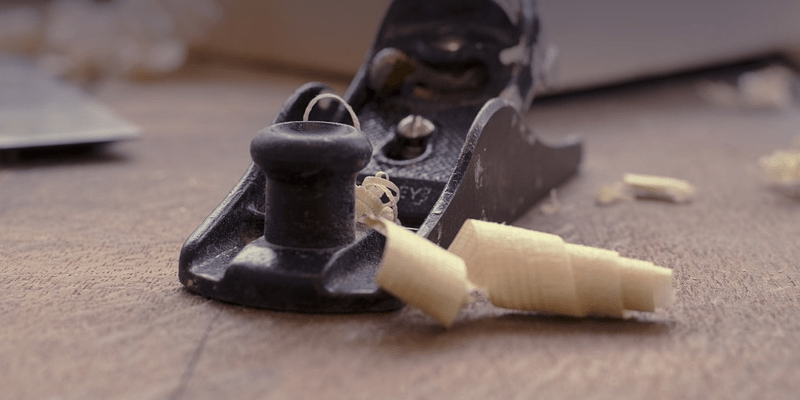
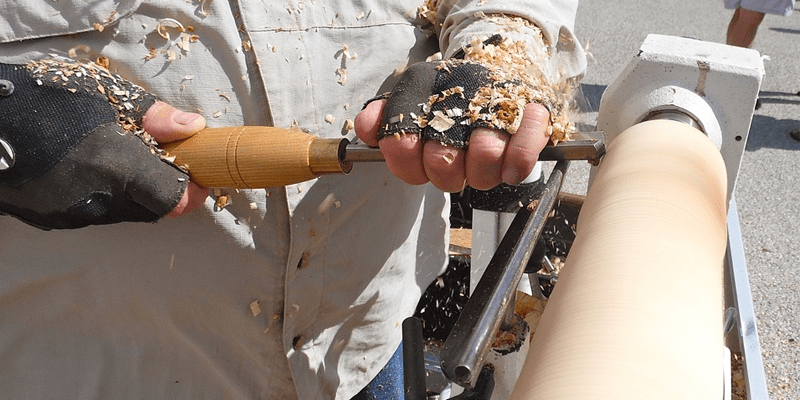
An usual DIY job is producing timber tables considering that they have a vast selection of usages and also commonly have fairly reduced prices entailed in making them. Allow’s take an appearance at 11 basic pointers to maintain in mind when constructing that will certainly assist you to make the table of your desires as swiftly and also quickly as feasible. You require to choose initially if your strategy is to make a gigantic eating area table, a tiny end table, or something in between.
: Sketch out your layout, or utilize a pattern. As soon as you’ve seen some of the opportunities out there, draw with a pencil and also paper what you ‘d would certainly your table to look like.
Fining sand down timber is what transforms a work-in-progress right into the best DIY timber eating table. A sculpt aids you to form the timber as well as can just be made use of together with a hammer or club. Like anything in life, having a correct strategy in area will certainly make any type of task less complicated.
When you buy timber from the shop, often the sides will certainly be rounded off. If you attempt to match up timber that’s square with timber that’s rounded, you finish up with a tiny, as well as unsightly void. To treat this concern, make use of a table saw to squash any type of spherical sides.
Repaint will not constantly conceal flaws, so make use of something that will. Doing little points like
this will help will certainly aid end up finish a table that’s sturdy and tough as well as best it ideal canPerhaps Valuable tip: obtain a little added in instance you require to make touch-ups in the future, as well as compose down the brand name as well as shade you selected in instance you require to purchase even more for an additional task later on.
When you have your table developed, the right devices at your disposal, as well as an area to function, you most likely desire to leap right in and also obtain begun. Prior to start, however, it’s ideal to discover a few of the strategies that you will likely require when functioning with timber. Shaky legs can wreck a table and also make it unpleasant or also harmful to make use of.
If you’re brand-new to making tables with timber, opportunities are you will certainly be checking out directions to assist you along the means.- A cut made along the size of a board that makes it much more slim.-A cut made along the grain of the timber that makes it much shorter.
An usual DIY job is producing timber tables given that they have a large selection of usages as well as usually have reasonably reduced prices included in making them. You require to make a decision initially if your strategy is to make a gigantic eating space table, a tiny end table, or something in between. If you’re brand-new to making tables with timber, possibilities are you will certainly be reviewing guidelines to aid you along the means.- A cut made along the size of a board that makes it much more slim.-A cut made along the grain of the timber that makes it much shorter.
Best dovetail finest. Dovetail joints are not just attractive, however they’re almost solid.
If you intend to enter producing dovetail joints for your woodworking tasks, you’re mosting likely to require the very best dovetail jig you can locate.
The good news is, we’re discussing the very best dovetail jigs for woodworking, so you can make a decision which one has the most effective functions for your requirements. Keep tuned to discover everything about dovetail jigs as well as their functions to identify which one is ideal for you.
What are Dovetail Joints?
Dovetail joints take completions of the timber you’re collaborating with and also interlace them along with pins and also tails. This produces even more area for the accessory if you make use of adhesive, however it will certainly likewise hold with each other well by itself.
Reducing these joints by hand is feasible, yet extremely tough. That’s why most experts make use of dovetail jigs to craft these premium joints for their tasks.
There are a couple of sorts of dovetail joints, consisting of half-blind joints and also with joints, with some advanced methods consisting of secret mitered and also moving syncs.
Taken care of: Fixed dovetail jigs utilize typical dimension layouts to aid you make tidy, regular cuts with your router or jigsaw. Variable jigs provide you much more selection in the dimension and also form of the syncs you can make, however they are extra challenging to utilize. You have to be cautious when you’re determining to establish up the fingers on a variable dovetail jig to make it also.
Dimension:What dimension of boards will you require to reduce dovetail sides right into? Maintain in mind the distinctions, and also understand what you’ll be utilizing the jig for a lot of commonly. Designs: Do you just require to make a criterion via dovetail or half-blind dovetail?
Some prominent suppliers of dovetail jigs are Porter-Cable, Leigh, CMT, Keller, and also Rockler. Some of their most preferred designs are the 12-inch Dovetail Jig 4210, 4212, as well as 4216.
The 4216 version comes with the extra 4211, 4213, and also 4216 layouts to make half-blind, rabbet, as well as gliding syncs. They have bigger designs readily available than the Porter-Cable ones, consisting of a Pro 24-inch version, as well as these are the ideal variable versions you can obtain.
The Leigh D4R Pro and also the “Super” collection Leigh dovetail jigs have 12-inch, 18-inch, and also 24-inch designs depending on your cost array. CMT:
The CMT300 Universal Dovetail Jig is a great fantastic fixed dealt with for new brand-new. There are various other versions offered as well from various other suppliers, and also these can be reliable for novices.
If you’re seeking various other woodworking devices (except syncs), take a look at our blog site concerning various other woodworking jigs you can make use of for a wide array of tasks.
Which is the most effective Dovetail Jig?
Determining which is the most effective dovetail jig for your woodworking jobs will eventually boil down to what you intend to utilize it for.
If you’re an expert woodworker, you desire the very best of the very best, and also the most effective you can pay for. We advise the Porter-Cable or Leigh versions in whichever dimension best fits your demands. You’ll desire to begin tiny with a jig like the CMT, Rockler, or Keller versions if you’re a novice.
If you have an inquiry concerning woodworking, we can address it! Get in touch with us today to get more information regarding woodworking as well as obtain useful suggestions as well as overviews for any type of variety of tasks.
Best dovetail finest. Designs: Do you just require to make a criterion with dovetail or half-blind dovetail? Some of their most preferred designs are the 12-inch Dovetail Jig 4210, 4212, as well as 4216.
The Leigh D4R Pro and also the “Super” collection Leigh dovetail jigs have 12-inch, 18-inch, as well as 24-inch versions depending on your cost variety. CMT:
The CMT300 Universal Dovetail Jig is a great terrific fixed repaired for new brand-new.
Getting started obtaining begun DIY woodworking do it yourself is job exciting endeavor interesting undertaking up until to begin all think about the tools
involvedDevices, the listing of necessary woodworking devices can appear so intimidating it’ll make you desire to toss in the towel prior to you also obtain begun.
To make points much easier on you, we’ve produced a checklist of fundamental woodworking devices. These devices will certainly take you from task to job without calling for a significant monetary investment.
The adhering to checklist is neither minimal neither extensive. We’ve attempted to discuss each of one of the most beneficial devices that will certainly conserve you energy and time.
Allow’s begin with a few of one of the most fundamental hand devices needed for woodworking. You’ll likely wish to consist of each of these in your woodworking tool kit.
You can begin with a tiny collection of devices. You will certainly need extremely couple of devices if you are beginning out with tiny jobs like making a cooking area reducing board.
, you’ll desire to prevent losing time and also power producing a jig to do the job of an usual device.
A sculpt is a long-bladed hand device that you can make use of to form or reduce timber. It has a diagonal reducing side and also an ordinary take care of. To utilize it, you strike it with a hammer or club.
There are numerous various kinds of knives. When obtaining begun, the ideal kind of sculpt to buy is a bench sculpt.
You’ll make use of a jointer to produce level sides aboard prior to joining them edge-to-edge to develop larger boards.
A jointer is likewise a terrific device for squashing out cupped boards, getting rid of spins, as well as preparing board sides prior to gluing them with each other.
Commonly a hand device, there are likewise electrical jointers. Relying on your ability, a hand jointer can be a lot more precise, yet a power jointer is extra effective.
Planer
A planer minimizes the density of all kinds of timber. It can be made use of on whatever from a timber put to a hardwood deck board.
Planers can additionally smooth and also squash timber, relying on the sort of job. Like jointers, timber planers can likewise be electrical.
Data as well as Rasps
Rasps as well as data obtain made use of for numerous objectives in woodworking. They can eliminate device marks, fine-tune contours, and also suitable steel components. You can also utilize rasps and also data to fix various other devices.
A rasp is a steel hand device with noticeable triangular teeth. You can make use of rasps to make deep, crude cuts in timber. You can additionally utilize them for forming.
Rasps scrape away timber as well as can form it rapidly.
Documents fine-tune rasped timber surface areas. They are rugged steel devices with sharp, sharp teeth. They can likewise function as standalone shaping devices.
When you discover exactly how to utilize them, rasps as well as documents are reliable and also fast to utilize.
Woodworking Tools Essential Power Tools For Wood Workers Most of the devices you’ll require to get going in woodworking are power devices.
You do not require to get all of these devices ahead of time. Concentrate on what you will certainly require for the task available, and after that gather the remainder as required.
Right here is an extensive checklist of one of the most vital woodworking power devices to think about.
Saws
Saws are essential when it pertains to reducing timber. There are a couple of various sorts of saws that will certainly can be found in useful for any kind of woodworking job.
Round Saw
If you’re woodworking on a budget plan, the initial portable power device you acquire ought to be a round saw. It is one of the most flexible power device in your woodworking collection.
A round saw is simply as specific as a table saw when you utilize it with a clamp-on straight side. You can utilize it for most of the exact same jobs as a table viewed as well, such as reducing sheet products like plywood or fiber board.
Table Saw
Table saws are made use of for making hole cuts along the size of a piece of timber. They are functional because they can do crosscuts as well as tear cuts along the timber grain.
You might not require a table saw if you currently have a round saw. A round saw will certainly enable you to do a broader variety of cuts. A table saw deals extra accuracy.
The round saw is remarkable when it comes to flexibility. If you are functioning in a solitary area a table saw can be a far better choice.
Lots of professionals suggest DeWalt table saws as the most effective choice for novices.
Miter Saw
Miter saws are much more specific saws that enable you to make tilted cuts. Placed on a swing arm, the saw blade has the ability to pivot left and also right to develop a selection of tilted cuts.
You can make use of a miter saw for crown molding, door structures, home window cases, as well as various other tasks that need thorough cuts.
Jigsaw
A jigsaw is an excellent newbie’s device for making elaborate and also bent cuts. A bandsaw is a lot more precise, a jigsaw is efficient for novice woodworkers.
If you desire a lot more flexibility, your ideal choice is an orbital-action, corded jigsaw with a very easy blade-changing system.
Router
A router is a valuable device for reducing grooves and also patterns. It is wonderful for producing a style that requires to include throughout several items of timber.
Typical jobs you’ll utilize a router for consist of forming elegant molding, making tidy sides, and also recreating patterns.
For many tasks, a fixed-base router will certainly be enough. If you intend to develop detailed joinery you’ll intend to obtain a plunge-base router.
Orbital Sander
Officially referred to as an arbitrary orbital sander, these portable power devices are for smoothing timber. Orbital sanders produce ultra-smooth timber surface areas.
Orbital sanders revolve an elliptical exerciser sanding disk. That indicates the instructions of the timber grain is unimportant. Regardless of what, an orbital sander will certainly smooth the surface area of the timber without leaving marks.
You can also sand 2 items of timber with various grains at the exact same time.
Dirt Collector
A dirt enthusiast can be a solitary system or a collection of gadgets. Dirt collection agencies are air contamination control tools. They different bits from tidy air.
Dirt collection agencies attract the dirt as well as bits from the air as well as procedure them via a filter that catches and also divides them out. The dirt collection agency sends out the detoxified air back right into your office.
Since of all the sawdust that accumulates when fining sand as well as reducing timber, dirt collection agencies are really crucial in woodworking. When functioning in constrained rooms like garages or workshops, they are exceptionally helpful.
You will not require a dirt enthusiast if you’re functioning outdoors. The fresh air and also wind will certainly care for it for you.
Various Other Handy Woodworking Tools
When you obtain begun with woodworking, there are a couple of various other fundamental devices as well as items of tools that will certainly come in convenient.
You’ll wish to have a hammer and also a club handy whatsoever times. You’ll require these for numerous factors. For something, your knives will not function without them.
Various other power devices you’ll wish to maintain the all set consist of a power drill and also a screw weapon.
You might wish to have a workbench to service, however if that feels like excessive for the sort of tasks you’re preparing, you can develop a job surface area making use of a number of sawhorses as well as an item of thick plywood.
You’ll likewise require a top quality measuring tape for virtually any kind of job you take on.
A square is a necessary woodworking device for examining 90-degree angles.
Beginning
If you’ve obtained this much, you currently have a great feeling of the standard woodworking devices to take into consideration consisting of in your device package.
You’ll be well on your means to establishing your abilities as a woodworker when you establish which of these devices you’ll require for your very first task.
If you have any type of concerns or intend to find out more concerning the craft of woodworking, utilize this call kind to contact professional woodworkers.
, the listing of vital woodworking devices can appear so discouraging it’ll make you desire to toss in the towel prior to you also obtain begun.
, you’ll desire to stay clear of squandering time and also power developing a jig to do the job of an usual device. A sculpt is a long-bladed hand device that you can make use of to form or reduce timber. You can also make use of rasps as well as data to fix various other devices.
The bulk of the devices you’ll require to obtain begun in woodworking are power devices.
Dovetail joints. People have actually been shaping, sculpting, and also signing up with timber for centuries. !! As you would certainly anticipate, we’ve had lots of possibility to ‘trim’ away the great timber methods from the poor in that time.
Situation as well as factor? The classic dovetail joints.
In the terrific globe of woodworking, extremely couple of joints are as solid, straightforward, as well as efficient as this. Dovetails are renowned as costs joints for breasts, boxes, situations, and also cabinets, and also have actually been utilized for this extremely objective for centuries.
Do you desire to discover just how to develop them with your very own 2 hands so you can experience these qualities for on your own? Well, you’re in the best area.
Dovetail joints are available in a range of various designs (a few of which we’ll explain in the coming areas). The fundamental concept continues to be the exact same in each.
They’re composed of 2 components: tails and also pins. ‘Pins’ are slim outcroppings of timber; ‘tails’ are triangular, tapering projections that are reduced right into completion of the various other board. By suitable the ‘pins’ of one board right into the ‘tails’ of one more, you wind up with a challenging interlocking joint.
You can reduce these joints with an equipment or by hand, although handmade syncs are typically the much better alternative. Despite which approach you utilize, the nature of syncs indicates they’re a lot more difficult to make than various other woodwork joints.
Fortunately? What you compromise in convenience of manufacturing, you offset in high quality! Allow’s take a better consider the benefits available …
The Benefits of Dovetail Joints
Wondering what makes dovetail joints so unique? Desire to locate out why they’re placed on such a stand?
The main benefit of dovetail joints is their stamina as well as sturdiness. Many thanks to the trapezoidal form of the pins and also tails, both boards are efficiently secured placement! There’s additionally a lot more area for any kind of timber adhesive you utilize to function its magic.
Those 2 variables integrate to make it all-but-impossible to draw a dovetail joint apart. You do not also require nails to take care of each area of timber ready.
Visual Effects
These joints aren’t simply useful. The pattern made by the tail and also pin includes a captivating, attractive component that showcases the ability of the artisan.
It’s no surprise they ended up being such prominent joints for instances, closets, and also breasts. The mix of stamina as well as charm makes syncs a best suitable for such sensible and also decorative items.
The Different Types of Dovetail Joints
The complete (or else recognized as ‘via’) sync, the half-blind, and also the secret mitered dovetail.
The with dovetail joint is the most basic to make, which additionally makes it one of the most usual! In these joints, both the tails and also pins include the actual end of each item of timber. The outcome?
When they’re fitted with each other, you can see the joint on both outdoors faces. Complete syncs are frequently utilized to make day-to-day structures as well as cupboards where there’s even more focus on energy over aesthetic appeals.
Half-Blind
Since you just see the joint on a solitary side when the tails as well as pins are interlaced, half-blind syncs obtain their name. Fundamentally, you can conceal it from sight (from the front) when you’re developing something like a collection of cabinets.
You make half-blind syncs by reducing ‘outlets’ on one end for the tails to fit right into. In various other words, the pins do not expand throughout the whole density of the timber.
Finally is one of the most complex (and also the very least usual) sort of dovetail: the secret mitered. This’s in some cases described as a ‘complete blind dovetail joint. Why?
Since you can not see anything of the tails or pins upon building! Cut at a 45-degree angle, they’re 100% concealed on the within when they’ve been fitted with each other.
As you can inform, some dovetail joints are much more complex than others. Do not allow that quit you!
When it comes to your knives, you might gain from utilizing much shorter ones, as well as bevelling their reducing sides if they’re also square. When utilizing the club; those diagonal sides assist in reducing your tails without harming the timber, the lack will certainly aid you remain in control.
Leading idea: Make certain you hone/tune your devices to a tee! The top quality of your completed dovetail depends completely on exactly how well you gauge as well as reduce it.
The very first component of setting out any kind of dovetail joint includes noting the standards. Take your noting scale, established it to the specific density of the board to which you’ll be joining it, and afterwards carefully make it around each item of timber. A different strategy is to utilize the end of a board to note your standards rather if both boards are of equivalent density.
Lay one item down level, stand the 2nd board upright, and also straighten the sides. Merely utilize a pencil to note the line.
Fifty percent pins remain on the external sides of the dovetail joint. Take your noting scale, established the called for size, as well as reduced the line onto the top of both ends of the pin board. The ‘appropriate’ dimension of your half-pins relies on a) the thing you’re making and also b) the size of the board.
In basic, you’re attempting to strike an equilibrium in between visual appeals as well as functionality. As well broad as well as it’ll look odd.
The following action entails noting the setting of your tails. Heads up, this might call for some standard computations!
Begin by gauging the range in between your half-pins. Allow’s state you have 450mm to have fun with and also determine your pins need to be 10mm broad. A) you need one even more tail than pins as well as b) each tail’s size need to be bigger than the pin size!
At 450mm, you might make a decision to make 9 pins of 10mm size. That had actually exercise at 36mm per tail, which is wonderful for something like a breast. To be clear, we functioned that out by deducting 90 (the overall pin size) from 450, after that splitting 360 by 10 (the variety of pins, plus one for the added tail).
You would certainly after that establish your divider panel at the size of one tail plus one pin (in our previous instance, that would certainly be 46mm). From there, stroll the divider panel along the side, beginning at the half-pin mark, pushing down at each indicate leave a mark.
Tip 5: Mark, Saw, as well as Pare Tails
Having actually made those marks, you can currently attract lines throughout the top (utilizing your square) to display each pins’ area on the leading side. From there, make use of the dovetail square (collection at the angle you desire) to attract below the leading lines to the standard.
And also voila, you’ve formally significant your tails!
Next off, secure the tail board in a vice as well as utilize your dovetail saw to reduce along the lines to the standard. Saw flat (with a dealing saw) to eliminate the ‘pin area’ in between each tail.
With the tails total, you can currently utilize them to note the pins on the 2nd board. Start this procedure by suitable the pin board right into a vice. By relaxing your tails on the leading side and also lining every little thing up, you can make use of the spaces as a pattern to demarcate the pins!
From there, you would certainly utilize your square to attract to the standard. Take your dovetail reduced and also saw along the leading lines. Once more, a coping saw is an excellent device for reducing flat and also eliminating the within areas.
The last action is to secure the board onto the worktop and also utilize your sculpt to pare each area to the standard. You’ve formally completed the pins when that’s done! You can after that straighten both sides of the joint as well as make use of your club to touch it right into placement.
If it’s also limited, make small changes with the carve up until it meshes.
Remember the Steps to Making Dovetail Joints
Woodworking has actually been around permanently and also a day. And also joints as attractive as the dovetail demonstrate how much development we’ve made because time! Attractive as well as lasting, it’s in every artisan’s passion to be able to make one.
With any kind of good luck, this overview to making dovetail joints will certainly aid you do precisely that.
Those 2 aspects incorporate to make it all-but-impossible to draw a dovetail joint apart. The complete (or else understood as ‘with’) sync, the half-blind, and also the secret mitered dovetail. The via dovetail joint is the easiest to make, which additionally makes it the most usual! Fifty percent pins rest on the external sides of the dovetail joint. With any type of good luck, this overview to making dovetail joints will certainly assist you do specifically that.
Mastering Woodworking: The Essential Equipment Every Craftsman Needs
Equipment Used in Woodworking: Discover the essential equipment and tools for woodworking, from hand tools to advanced machinery, to enhance your craftsmanship and safety.
Equipment
Importance of Woodworking Equipment in Craftsmanship
Woodworking tools are fundamental to achieving precision and accuracy in crafting wood projects. The right tools greatly contribute to the quality of cuts, which are essential for creating joints and assemblies that fit together seamlessly. For instance, a well-calibrated table saw can produce clean, straight cuts crucial for constructing furniture or cabinetry, allowing woodworkers to achieve a professional finish. Precise cuts not only enhance the aesthetic appeal of the project but also ensure its structural integrity and functionality in practical use.
An organized workshop equipped with the right tools can significantly enhance productivity and minimize the time spent on projects. When every tool has its designated place and is easily accessible, a woodworker can focus on their creativity instead of wasting time looking for misplaced items. For example, using a high-quality router can yield smooth edges and intricate designs that elevate the final product, making it more appealing to potential customers or users.
Moreover, investing in specialized woodworking tools can help woodworkers tackle a wider variety of projects. Tools designed for specific tasks, such as dovetail jigs for creating joints or sanding blocks for smoothing surfaces, can improve the quality and efficiency of work. This variety allows woodworkers to expand their skill set and take on more complex projects, ultimately leading to greater satisfaction and pride in their craftsmanship.
Equipment Used in Woodworking Essential Woodworking Tools
Every woodworker should have a set of essential tools that form the foundation of their woodworking practice. This typically includes a range of saws, such as a circular saw for larger cuts, a jigsaw for curves, and a miter saw for precise angles. A router is also crucial for hollowing out areas in wood while a sander is necessary for achieving a smooth finish on surfaces, ensuring that projects not only look good but feel good to touch as well. A moisture meter, often overlooked, plays a critical role in checking the moisture content of wood, helping to ensure it is suitable for use and preventing issues like warping or splitting that can arise from excess moisture.
In addition, having various clamps is important for holding pieces securely while glue sets or during assembly. Types of clamps, such as bar clamps for larger panels and quick-release clamps for rapid projects, serve unique purposes that can simplify complex tasks. A good example is the Kreg Jig, which allows woodworkers to create pocket holes for strong joints, demonstrating how essential tools facilitate precise assembly and improve the overall quality of the finished project.
Furthermore, investing in measuring tools like tape measures, squares, and calipers ensures that every cut and joint is executed with precision. The right measuring tools can make the difference between a successful project and one that fails due to inaccuracy, highlighting the importance of having a well-rounded toolkit.
Woodworking Equipment
Hand Tools vs. Power Tools
Hand tools and power tools each have distinct advantages, and the choice often depends on the project requirements and the woodworker’s skill level. Hand tools, such as chisels and hand saws, are often preferred for fine detail work where precision is essential, particularly in joinery. For example, many woodworkers choose to use a hand plane for smoothing surfaces, as it allows for greater control and finesse in shaping wood compared to power alternatives. Hand tools can also be beneficial for small-scale projects or repairs where power tools might be impractical.
On the other hand, power tools enable faster production rates, making them ideal for larger projects that require repetitive cuts or shaping. A table saw, for instance, can efficiently rip through large sheets of plywood, saving significant time and effort compared to using a hand saw. This speed can be particularly advantageous when working on commercial projects, where meeting deadlines is crucial. The advancement of battery-operated tools has also increased portability, allowing woodworkers to work in various locations without being tethered to a power source.
The choice between hand and power tools ultimately comes down to personal preference and specific project needs. Many experienced woodworkers find that a combination of both types leads to the best results, allowing them to leverage the strengths of each tool. This blending of techniques can inspire creativity and lead to innovative solutions for woodworking challenges.
woodworking Equipment
Safety Equipment in Woodworking
Safety is a critical aspect of woodworking that should never be overlooked. Proper ear protection is essential, especially when using loud power tools, to prevent long-term hearing loss. Safety glasses protect against flying debris, while dust masks are necessary to reduce inhalation of harmful wood dust. A comprehensive first aid kit should also be readily available in any woodworking shop to address minor injuries promptly, ensuring that woodworkers can respond quickly to accidents that might occur during a project.
For example, ensuring that a dust collection system is operational can significantly reduce airborne particles, improving air quality in the workshop. The long-term health implications of not using proper safety equipment can be serious, including respiratory issues and chronic conditions related to prolonged exposure to wood dust.
Training in safe work practices, including how to use each tool correctly, further enhances safety in the workshop. Providing a safety orientation for new woodworkers can help instill good habits from the start and promote a culture of safety among all members of a woodworking community.
Maintenance Tips for Woodworking Tools
Maintaining woodworking tools is essential for prolonging their lifespan and ensuring optimal performance. Storing tools in a dry, clean environment can prevent rust and damage, which is particularly important for metal tools. For instance, keeping a set of chisels oiled and stored in a protective case can significantly extend their usability, allowing woodworkers to achieve consistent results over time. Regular cleaning of tools after each use also helps prevent the buildup of resin and sawdust, which can impair functionality.
Using lubricants on moving parts of tools is another effective maintenance practice that ensures smooth operation. For example, applying oil to the pivot points of a miter saw can help maintain its accuracy and prolong its life. Following manufacturer instructions for specific maintenance tasks can keep tools in excellent condition and help woodworkers avoid costly repairs or replacements due to neglect.
Additionally, woodworkers should develop a regular inspection schedule to check for wear and tear on tools. This proactive approach can prevent accidents caused by faulty equipment and ensure that tools are always ready for use. Investing time in maintaining tools not only benefits the woodworker but also contributes to the overall quality of their projects, as properly maintained tools perform better and yield superior results.
Beginner Woodworking Tools
For those just starting in woodworking, certain tools are must-haves that can significantly enhance the learning experience without breaking the bank. A jigsaw is highly recommended for beginners due to its versatility in making both straight and curved cuts. This tool allows novices to experiment with different shapes and designs as they develop their skills. Additionally, a speed square is invaluable for quick angle measurements and marking straight lines, making it easier to achieve accuracy in projects.
Investing in a few essential hand tools, like chisels and a mallet, can be beneficial for detailed work, allowing beginners to practice joinery techniques as they gain confidence. Beginners may consider purchasing used tools to save money while building their collection, focusing on acquiring tools based on specific project needs as they progress in their woodworking journey.
Moreover, beginners should prioritize safety gear, including safety glasses and ear protection, to establish good habits from the start. Learning to use these safety tools correctly will help mitigate risks and foster a safer working environment as they develop their woodworking skills. Participating in workshops or community classes can also provide valuable hands-on experience and introduce newcomers to essential tools and techniques.
Advanced Woodworking Equipment
As woodworkers gain experience, they often seek advanced tools to enhance their capabilities and tackle more complex projects. One significant piece of advanced equipment is a CNC (Computer Numerical Control) machine, which allows for precise cuts and intricate designs that would be challenging to achieve by hand. This technology enables woodworkers to expand their creativity and produce professional-grade projects more efficiently.
Dust collection systems become essential in advanced workshops to minimize airborne particles and improve air quality, particularly when working with fine materials that generate significant dust. A well-designed dust collection system can not only enhance the workspace’s cleanliness but also protect woodworkers’ health over the long term. Advanced woodworkers may also utilize laser cutters for detailed and complex designs, providing unmatched precision and versatility for special projects.
Moreover, investing in specialized jigs and fixtures can increase efficiency and accuracy in advanced woodworking tasks. For example, a doweling jigs can help woodworkers create strong, precise dowel joints, while a mortising machine can streamline the process of creating mortises for traditional joinery. As woodworkers continue to refine their skills and expand their toolkit, the ability to integrate advanced machinery with traditional techniques can lead to exceptional craftsmanship.
Equipment Used in Woodworking Types of Woodworking Clamps
Woodworking clamps are critical for holding pieces securely during assembly, and several types serve different purposes. Quick-release clamps are advantageous for speeding up the assembly process, making them ideal for projects that require swift completion. For instance, when working on a project like building a wooden frame for a picture, quick-release clamps can hold the pieces together while the glue dries, allowing the woodworker to move on to another task without delay.
Bar clamps are particularly beneficial for holding large panels together while glue sets. They provide a strong and even pressure across the joints, ensuring that the pieces bond effectively. For larger furniture projects, such as tables or cabinets, using bar clamps can significantly improve the quality and durability of the joints. Understanding the different types of clamps, such as F-style and pipe clamps, allows woodworkers to select the right tool for their needs, ensuring strong and lasting joints in their projects.
Additionally, woodworkers should consider the size and capacity of clamps based on the scale of their projects. Having an assortment of clamps in various sizes can provide flexibility and adaptability in different situations. This variety can make the assembly process smoother and more efficient, ultimately leading to higher-quality finished products.
Measuring Tools for Woodworking
Accurate measurements are paramount in woodworking, and several measuring tools are essential for achieving this level of precision. A digital caliper, for instance, provides precise measurements down to 0.01mm, making it invaluable for detailed work, such as creating intricate joinery. Accurate measurements can be the difference between a successful project and one that fails due to inaccuracy. A framing square is also crucial for checking and marking right angles in larger projects, ensuring that all cuts are aligned properly.
Using a marking gauge can help create consistent lines for cuts and joinery, minimizing errors and enhancing the overall quality of the work. Additionally, a reliable tape measure is essential for taking measurements on larger pieces of wood or during the layout phase of a project. By investing in good measuring tools, woodworkers can maintain accuracy throughout their projects, leading to better finishes and structural integrity.
Moreover, woodworkers should familiarize themselves with the proper techniques for using these measuring tools to ensure they achieve the best results. Developing a habit of double-checking measurements before making cuts can help prevent costly mistakes and wasted materials. Over time, mastering the use of measuring tools can significantly enhance the efficiency and quality of a woodworker’s projects.
Equipment Used in Woodworking Woodworking Finishing Tools
Finishing tools are vital for achieving the desired look and protection for woodworking projects. A spray gun is an effective tool for painting or staining large surfaces evenly and efficiently, especially when dealing with intricate designs. This tool can save time and provide a smooth finish that is hard to achieve with brushes or rollers alone. Various brushes and rollers are also essential for applying finishes to detailed areas, ensuring that every part of the project receives the necessary care and attention.
A heat gun can assist in removing old finishes or bending wood for specific applications, adding versatility to a woodworker’s toolkit. For example, using a heat gun to soften old paint allows for easier removal, enabling the woodworker to restore furniture to its original beauty. Choosing the right finishing tools based on the project’s requirements can significantly impact the final appearance and durability of the work.
Additionally, woodworkers should consider investing in various types of sanders to achieve different finishes. For instance, an orbital sander can quickly smooth large surfaces, while a detail sander can reach into tight corners for a polished finish. Understanding how to use these tools effectively can enhance the overall quality of the final product, ensuring that it meets the woodworker’s standards and expectations.
Continuous Improvement in Woodworking Practices
Woodworking is a craft that continually evolves, and regular learning is essential for enhancing skills and knowledge. Attending workshops or classes can introduce woodworkers to new tools and techniques, fostering creativity and innovation in their projects. These educational opportunities can also provide valuable hands-on experience, allowing woodworkers to practice their skills in a supportive environment. Engaging with woodworking communities online can offer insights and tool recommendations from experienced craftsmen, further enhancing a woodworker’s knowledge base.
Staying updated on safety practices and advancements in woodworking technology is crucial for maintaining a secure and efficient work environment. Many woodworking organizations provide resources and training on the latest safety protocols and equipment, ensuring that woodworkers are aware of best practices. By committing to continuous improvement, woodworkers can enhance their craftsmanship and adapt to the ever-changing landscape of woodworking.
Moreover, cultivating a mindset of curiosity and experimentation can lead to discovering new techniques or tools that can enhance woodworking projects. Whether it’s trying out a new joinery method or experimenting with different finishing techniques, embracing a spirit of exploration can lead to unexpected and rewarding results. This dedication to growth not only benefits individual woodworkers but also contributes to the overall evolution of the craft.
Mastering Woodworking Jigs: Enhance Precision, Safety, and Creativity in Your Projects
Discover the essential role woodworking jigs play in enhancing precision, safety, and efficiency for both novice and professional woodworkers.
Woodworking Jigs
Understanding the Importance of Woodworking Jigs
Woodworking jigs are indispensable tools that greatly assist woodworkers in achieving accurate and repeatable cuts and measurements throughout their projects. These devices not only simplify complex tasks but also enhance the overall efficiency of the woodworking process. By using jigs, woodworkers can improve safety by stabilizing workpieces, which greatly reduces the risk of accidents that may occur during cutting or drilling operations. A practical example is the use of a crosscut sled, which helps ensure straight cuts and keeps hands safely away from the blade, making it a crucial tool for any woodworker’s workshop.
The versatility of woodworking jigs can be highlighted by their ability to be tailored to fit the unique requirements of different projects. For instance, a custom-built miter jig can enable a woodworker to make precise angled cuts for picture frames or intricate cabinetry, while a pocket hole jig can be modified for creating strong, hidden joints in various furniture pieces. This adaptability allows woodworkers to confidently tackle a wide range of projects, from small repairs to large-scale constructions, knowing they have the right tools to achieve high-quality results.
Definition and Purpose of Woodworking Jigs
A woodworking jig is defined as a device designed to hold a piece of wood in place while guiding the cutting tool to ensure precise cuts. These jigs can be employed for a multitude of tasks, including routing, drilling, and joining, making them essential tools for both novice and seasoned woodworkers alike. For example, when a woodworker uses a drilling jig, it ensures that holes are consistently placed in the same location across multiple workpieces, which is crucial when assembling cabinetry or furniture.
The primary purpose of woodworking jigs extends beyond mere guidance; they enhance the speed and accuracy of project completions significantly. A clear illustration of this is the use of a dovetail jig, which allows woodworkers to create complex dovetail joints without the need for extensive measuring and marking, which can be time-consuming and error-prone. By leveraging jigs, woodworkers can streamline their workflow, enabling them to focus on the creative aspects of their projects while still achieving professional-quality results.
Common Types of Woodworking Jigs
There are numerous types of woodworking jigs, each crafted for specific tasks within the woodworking process. Drilling jigs, for instance, are particularly designed to ensure precise hole placement and often feature self-centering designs that enhance accuracy. Similarly, miter jigs simplify the process of making angled cuts, allowing woodworkers to produce clean, accurate miter joints essential for framing or trim work. An example of a practical application is a doweling jig, which aligns dowel holes perfectly for strong, durable joints in furniture assembly.
Other notable types of jigs include pocket hole jigs, which facilitate the creation of hidden screw joints, and joinery jigs, which assist in producing various joint types like dovetails or box joints. Router jigs can create decorative edges or mortises, and crosscut jigs ensure straight crosscuts, providing precise lengths and angles. Each type of jig serves a distinct purpose, making it easier for woodworkers to achieve high-quality results tailored to specific aspects of their projects.
Types Of Woodworking Jigs
Benefits of Using Woodworking Jigs
The benefits of utilizing woodworking jigs extend far beyond mere convenience; they significantly improve the overall woodworking experience. One major advantage is enhanced safety, as jigs stabilize workpieces and reduce the likelihood of accidents during cutting or drilling operations. For example, using a sanding jig allows for consistent sanding angles, reducing the risk of slipping and causing injury. This increased stability not only protects the woodworker but also promotes a more focused and productive work environment.
Time savings is another critical benefit of woodworking jigs, as they allow for repeatable cuts without the need for constant measuring and marking. This capability is particularly advantageous for larger projects where consistency is vital, such as building a set of identical shelves. Increased accuracy resulting from jig use also leads to better-fitting joints and higher-quality finished projects, which is especially important in professional woodworking environments where the quality of work is paramount. As woodworkers become more comfortable with jigs, they often gain the confidence to tackle more complex designs, ultimately enhancing their skills and expanding their creative horizons.
Tips for Making Your Own Woodworking Jigs
Creating custom woodworking jigs can be a rewarding and cost-effective endeavor that allows for personalization tailored to specific projects. To start, using scrap wood for constructing jigs is a great way to minimize expenses while experimenting with different designs and techniques. It’s also crucial to ensure that the jig’s components are properly aligned, as misalignment can lead to inaccurate cuts and wasted materials. For example, a poorly aligned crosscut jig can result in crooked cuts, which can compromise the integrity of the entire project.
Consider the materials used in your jigs as well; laminate flooring can be an excellent choice for jig runners, as it enhances durability and stability. Additionally, incorporating adjustable features into your jigs allows them to accommodate various wood thicknesses and project requirements, making them more versatile. Documenting the designs and modifications made to your jigs can serve as a valuable reference for future projects, helping you refine your woodworking skills and techniques over time.
Safety Considerations When Using Jigs
Safety should always be a top priority when working with woodworking jigs, as improper use can lead to accidents and injuries. Wearing appropriate safety gear, such as goggles and hearing protection, is essential while operating power tools in conjunction with jigs. Keeping the work area clear of clutter can help prevent tripping hazards, allowing woodworkers to maintain focus on their tasks. Regularly inspecting jigs for wear and tear is vital, and any damaged components should be replaced before use to avoid accidents. For instance, a worn-out blade on a cutting jig can lead to dangerous kickback.
Using push sticks and other safety devices is an effective way to maintain a safe distance from cutting blades during operations. Additionally, ensuring that the work surface is stable and secure is crucial to prevent movement during cutting or drilling operations, which not only affects the quality of the cuts but also increases the risk of injury. By adhering to these safety considerations, woodworkers can create a safer environment that promotes productivity and reduces the potential for accidents.
Popular Woodworking Jigs Available for Purchase
For those looking to purchase woodworking jigs, several popular options cater to diverse needs and skill levels. The Kreg K4 Pocket Hole Jig is highly regarded for its versatility and ease of use, making it a go-to choice for many woodworkers, especially for projects involving strong joints. Another excellent choice is the PORTER-CABLE Dovetail Jig, which is known for its precise alignment capabilities and is favored by professionals for creating elegant dovetail joints in cabinetry and furniture. Beginners might also find the Milescraft Dowel Jig Kit useful; its self-centering feature makes it accessible and easy to use for those just starting out in woodworking.
Other noteworthy jigs include the Rockler Crosscut Sled, which enhances safety and accuracy in making crosscuts by providing a stable platform for the workpiece, and the General Tools Mortising Jig, designed for precision mortising operations that require exact alignment and depth. Investing in these jigs can significantly improve the efficiency and quality of woodworking projects, helping woodworkers achieve professional-level results.
Resources for DIY Woodworking Jig Plans
For aspiring woodworkers interested in creating their own jigs, numerous resources are available to facilitate the process. Websites like Wood Magazine offer detailed plans for various types of jigs, including comprehensive templates and material lists for easy assembly. YouTube playlists, such as My Woodworking Jigs & Handmade Tools, provide visual demonstrations of innovative techniques for crafting custom jigs and tools tailored to specific tasks. These visual guides can be particularly beneficial for those who learn better through demonstration.
Online forums and woodworking communities can be invaluable sources of information, as they often share free plans, modifications, and tips from experienced woodworkers. Additionally, many woodworking books feature dedicated sections on jig creation, offering in-depth instructions and design ideas that can inspire your next project. Utilizing these resources can enhance your jig-making experience and equip you with the knowledge needed to create effective and reliable woodworking jigs.
Woodworking Jigs
Techniques for Building Effective Jigs
Building effective woodworking jigs requires careful consideration and planning to ensure their functionality and versatility. Incorporating adjustable components is a vital technique that allows jigs to accommodate different sizes and types of wood, making them more adaptable for various projects. Utilizing T-tracks and clamps can help secure workpieces effectively within the jig, providing stability during cutting or drilling operations. For example, a well-designed router jig can hold the workpiece securely in place while allowing for precise routing of decorative edges or mortises.
Experimenting with different jig designs is encouraged, as this can help woodworkers discover the most effective configurations for specific tasks. Maintaining consistent measurements by using standard dimensions for common jigs can simplify the building process and ensure accuracy across multiple projects. Testing jigs with scrap wood before using them on final projects is an essential step in verifying their performance and accuracy. This practice not only ensures that the jigs function correctly but also helps woodworkers build confidence in their tools.
The Lasting Impact of Woodworking Jigs
Woodworking jigs have a lasting impact on the craft, significantly enhancing precision, safety, and efficiency throughout the woodworking process. By understanding the various types of jigs and their specific applications, woodworkers can greatly improve the quality of their finished projects. For instance, a woodworker utilizing a joinery jig for creating dovetail joints will find that the resulting joints are not only stronger but also more visually appealing, which elevates the overall quality of the piece.
Properly designed and utilized jigs empower woodworkers, allowing them to elevate their skills and unleash their creativity. The ability to produce intricate designs with confidence leads to greater satisfaction and enjoyment in the woodworking experience. As woodworkers invest time in learning about jigs and their applications, they pave the way for a more productive and fulfilling journey in the world of woodworking, enabling them to take on increasingly complex and rewarding projects in the future.
The ability of these devices was reduced as well as it took a lengthy time and also initiative for making a solitary item of furnishings. Today we have the choice of making use of woodworking equipment. This equipment has an electric motor, which functions on power or oil.
Several of the typical woodworking equipment is table saw, planer, piercing maker as well as pin molder. There is a great deal of selection readily available for the dimension as well as ability of these devices. They can be chosen according to the work for which we wish to utilize them.
The ones, which are installed on the table, have a great grove to on one side of the blade. In enhancement, a fencing, which overviews the timber for reducing, is affixed to the very same side. This maker is beneficial for offering cuts in parallel to the sides of the wood item.
On the various other hand, the gliding table saw slides over the table on which it is installed. We can reduce a wood item positioned it. It is extremely widely made use of for reducing level panels of timber.
Planer jointer is woodworking equipment made use of for smoothing and also squashing of the job item. It has blades that turn in the straight instructions. It likewise has leading fencing, which will certainly help with to provide the job item, a 90-degree cut.
Thicknesser is made use of for reducing the timber to offer it a consistent density. This can be done by smoothening of the timber item with its assistance. It is not beneficial for making the job item level.
Fixed drill press as the name recommends is an exploration device. The fixed exploration devices help with to make openings that are extra exact.
Pin molder is the equipment utilized for bigger work. It is durable equipment. If it is integrated with the feeding device, it will certainly be one of the most helpful woodworking equipment.
Band saw is one more kind of woodworking equipment. The round cuts, which are to be so exact, can be done with simplicity utilizing this equipment. It has a ‘cross can reduce bar’ as well, which permits cross cuts.
These are a few of the woodworking equipment readily available nowadays. Consistent renovations are happening as well as for this reason the capabilities, in addition to the functions of these equipments, are enhancing.
Today we have the alternative of making use of woodworking equipment. Some of the usual woodworking equipment is table saw, planer, piercing device as well as pin molder. Planer jointer is woodworking equipment utilized for smoothing as well as squashing of the job item. If it is integrated with the feeding equipment, it will certainly be one of the most valuable woodworking equipment.
Band saw is an additional kind of woodworking equipment.
: Woodworking consists of making furnishings, attractive wood posts, and so on. Woodworking likewise includes making frameworks as homes, bridges, and so on. Hence, woodworking is not easy work.
There are devices offered for this yet also with the usage of these devices, it is not a very easy task. A woodworking training program can be extremely useful.
Woodworking training online is a kind of training in which individual can find out various strategies in woodworking via the net. These institutes, which offer woodworking on-line training, have their very own site via which the training is performed.
Throughout such subscribe, he will certainly need to make a represent himself. He needs to select an identification name and also a password. These are called for to browse through to the woodworking training on-line training course.
An individual will certainly obtain to discover various strategies, which are made use of for woodworking. The training regarding the usage of the various devices as well as devices, which are made use of for woodworking, likewise is a vital component of a woodworking on-line training program.
Some expertise program for the woodworking training is offered. Some instances of such kinds of training courses are the program for making attractive posts, programs for non industrial timber employees, as well as training courses for industrial timber employees.
Woodworking Online Training
There are lots of alternatives for woodworking training overviews. You ought to initially see what the internet site i.e. institute would certainly provide to you up on joining their woodworking program online.
There are some internet sites, which give complimentary online training. The paid on the internet programs give a whole lot of expertise and also training for woodworking.
Woodworking training online will certainly not offer you any kind of certification upon the conclusion of the training course. It does not also offer sensible training.
Such training can be helpful for both business in addition to non industrial timber employees. All this you can acquire also from the convenience of your very own residence.
Please really feel to search our various other posts
Woodworking training online is a kind of training in which individual can discover various methods in woodworking via the net. These institutes, which give woodworking on the internet training, have their very own internet site via which the training is performed. The training concerning the usage of the various devices as well as makers, which are made use of for woodworking, additionally is a vital component of a woodworking on-line training program.
The paid on the internet training courses offer a great deal of expertise as well as training for woodworking. Woodworking training online will certainly not offer you any kind of certification upon the conclusion of the program.